

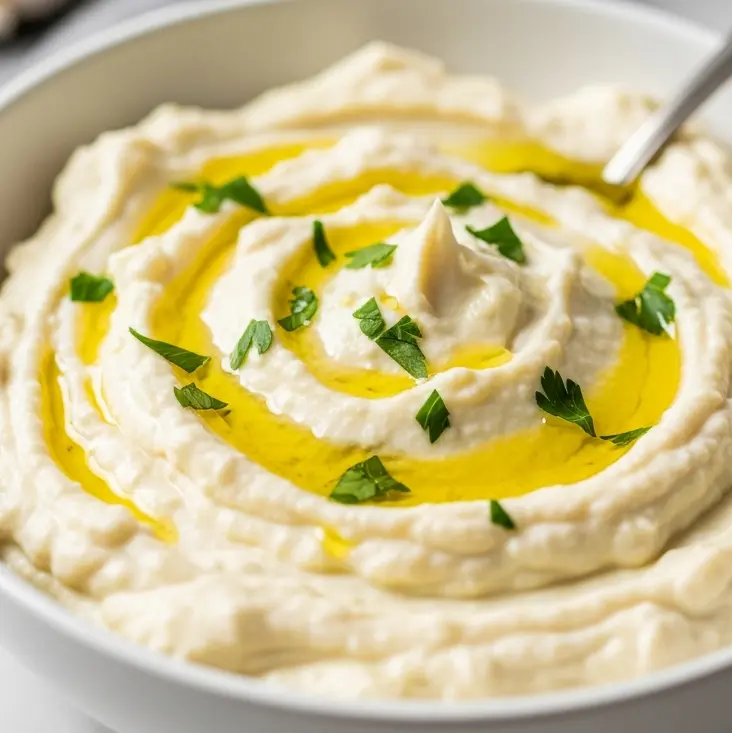
Nestled within the vibrant tapestry of Greek cuisine lies a humble yet unforgettable delight that has been enchanting taste buds for centuries: Skordalia. This creamy garlic potato dip, a luscious blend of velvety potatoes, pungent garlic, and a kiss of olive oil, epitomizes the rustic elegance of Greece’s culinary heritage. More than just a sauce or accompaniment, Skordalia is a flavorful story-one that transports you to sun-drenched olive groves, bustling village tables, and the heart of Mediterranean tradition. Join us as we unveil the secrets behind this garlicky treasure, exploring its origins, variations, and the simple magic that makes Skordalia a beloved staple of Greek tables worldwide.
Skordalia, a beloved treasure of Greek cuisine, is much more than a simple garlic potato dip. This luscious, velvety concoction carries centuries of history and tradition, symbolizing the heartwarming simplicity and robust flavors of Greece. Rooted in the agrarian lifestyle of the Mediterranean, skordalia’s essence is a party of humble ingredients-garlic, potatoes, olive oil, and sometimes nuts or bread-transformed into a creamy, aromatic dip that has been enjoyed across generations and regions.
Prep and Cook Time
- Preparation: 15 minutes
- cooking: 20 minutes
- Total Time: 35 minutes
Yield
- Serves 6 as a dip or accompaniment
difficulty Level
- Easy
Ingredients
- 3 large potatoes (about 1 lb), peeled and quartered
- 4-5 cloves garlic, peeled (adjust to taste)
- 1/2 cup extra virgin olive oil
- 1/4 cup white wine vinegar or lemon juice
- Salt, to taste
- Freshly ground black pepper, to taste
- Optional: 2 tablespoons blanched almonds or walnuts for added texture
- Cold water, as needed for consistency
Instructions
- Boil the potatoes: Place the peeled and quartered potatoes into a large pot of salted water. Boil until tender, approximately 15-20 minutes.Drain thoroughly and set aside to cool slightly.
- Prepare the garlic base: While potatoes cook, crush the garlic cloves with a pinch of salt using a mortar and pestle, or finely mince and use a food processor for a smoother texture. If using nuts, pulse them briefly to a fine meal.
- Mash the potatoes: Use a potato masher or fork to mash the warm potatoes until smooth, taking care to avoid lumps for that creamy consistency.
- Combine ingredients: In a deep bowl, slowly add the olive oil to the garlic (and nuts, if used), stirring continuously to emulsify. Gradually fold the mashed potatoes into this mixture.
- Incorporate vinegar/lemon: Add the vinegar or lemon juice a little at a time, tasting as you go to balance the acidity and brightness of the dip.
- Adjust consistency: If the dip feels too thick, add cold water, one tablespoon at a time, folding gently until the skordalia reaches a creamy, fluffy texture.
- Seasoning: Add salt and freshly ground black pepper to taste. Mix well to combine all flavors evenly.
- Chill and serve: For best flavor, refrigerate skordalia for at least 30 minutes before serving to allow the garlic to mellow and the dip to thicken slightly.
Tips for Success: Mastering the Perfect texture and Flavor Variations
- Achieving creaminess: The key lies in using starchy potatoes (like Yukon Gold or Russet) and mashing while still warm. Slowly drizzling olive oil while stirring helps create a velvet-like texture.
- Nut substitutes: Walnuts, almonds, or even hazelnuts add a subtle depth and slightly crunchy texture but can be omitted for a purer, smooth dip.
- Vinegar options: White wine vinegar is traditional for a sharp tang, but lemon juice offers a refreshing citrus hint that brightens the dish.
- Garlic intensity: Adjust the cloves according to your preference. Roasting the garlic beforehand softens its pungency and adds a sweet nuttiness worth trying.
- Make ahead: Skordalia keeps well refrigerated for up to 3 days. Bring it to room temperature and whisk in a splash of water or olive oil before serving.
Serving Suggestions: Pairing skordalia with Traditional and Modern Dishes
In Greece, skordalia is traditionally served alongside fried fish or crispy vegetable fritters, beautifully balancing savory richness with zesty garlic undertones. Its luxurious creaminess also makes it an exceptional dip for crusty bread, boiled vegetables like beets and green beans, or grilled meats.
For a modern twist, dollop skordalia as a sumptuous spread on gourmet sandwiches, or layer it beneath roasted vegetables and grilled shrimp to elevate your plating. Garnish with a drizzle of extra virgin olive oil, chopped fresh parsley, or a pinch of smoked paprika to add visual appeal and a pop of complementary flavor.
| Nutrient | Per Serving |
|---|---|
| Calories | 180 kcal |
| Protein | 2g |
| Carbohydrates | 18g |
| fat | 10g |
Embrace the creamy allure of this Greek classic and let skordalia transport your taste buds to sun-drenched shores with every luscious bite.
For further inspiration on traditional Greek dips, explore our classic spanakopita recipe or delve into the rich tapestry of Mediterranean flavors at Britannica’s overview of greek cuisine.
Q&A
Q&A: Skordalia Unveiled – Greece’s Creamy Garlic Potato Dip Delight
Q1: What exactly is Skordalia?
A1: Skordalia is a traditional Greek dip that dances on the palate with its creamy texture and bold garlic punch. Made primarily from mashed potatoes blended with lots of garlic, olive oil, and vinegar, its a luscious companion to everything from crispy fried fish to fresh, crusty bread.
Q2: How did Skordalia come to be a staple in Greek cuisine?
A2: Legend has it that Skordalia emerged as a humble yet hearty way to use simple ingredients-garlic, oil, and a starch base-during times of scarcity. Over centuries, it evolved into a beloved dish embodying Greek resilience and flavor, cherished not only for its taste but also for its cultural importance.
Q3: What are the key ingredients that make Skordalia so distinctive?
A3: The heart of Skordalia is its potent trio: garlic for a fiery kick, creamy potatoes (or sometimes soaked bread) for body and softness, and high-quality olive oil that lends silkiness and depth. A splash of vinegar adds a radiant, tangy note, balancing the richness beautifully.
Q4: Can Skordalia be made without potatoes?
A4: Absolutely! While potatoes are classic, some regions swap them out for day-old bread soaked in water or milk to create a similar creamy base.This variation not only changes texture but also offers subtle differences in flavor, showcasing Skordalia’s versatile charm.
Q5: How is Skordalia traditionally served?
A5: Skordalia is frequently enough presented as a meze (appetizer) alongside fried cod or mixed seafood, grilled vegetables, or simply with warm pita bread. It’s notably popular on Greek Orthodox fasting days, proving that its appeal transcends occasions.Q6: Is Skordalia only garlic-forward, or can its flavor be toned down?
A6: Garlic is undeniably the star, but the intensity can be adjusted. For the uninitiated, using fewer cloves or roasting garlic before mashing can mellow the sharpness without losing that unmistakable garlicky soul.
Q7: Any tips for someone attempting to make Skordalia at home?
A7: Patience is key! Whisk the garlic until it’s finely crushed to avoid harsh bites, and slowly drizzle in olive oil while mixing to achieve a silky, mayonnaise-like emulsion. Always taste as you go-seasoning and vinegar levels make all the difference.
Q8: Why shoudl food lovers add Skordalia to their Mediterranean repertoire?
A8: Skordalia is more than a dip-it’s an experience. Its creamy richness coupled with garlic’s robust warmth tells a story of Greek tradition and hospitality.Whether paired with seafood or spread on bread,it’s a simple yet unforgettable taste that brings a little Greek sunshine to any table.
The Way Forward
As the last dollop of Skordalia melts on your palate, you’re reminded that this humble Greek dip is more than just garlic and potatoes-it’s a savory embrace of history, culture, and comfort.From festive family tables to sun-soaked island tavernas, Skordalia invites you to savor a bite of Greece’s rich culinary tapestry. Whether served alongside crispy fried fish or slathered on warm bread, its creamy texture and bold flavors continue to captivate food lovers around the world. So next time you crave something both simple and soul-stirring, let Skordalia be your flavorful passport to the heart of Greek tradition.Opa!