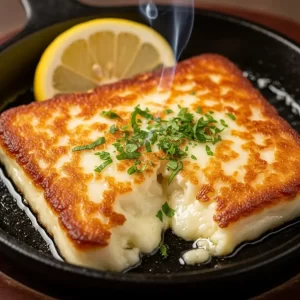

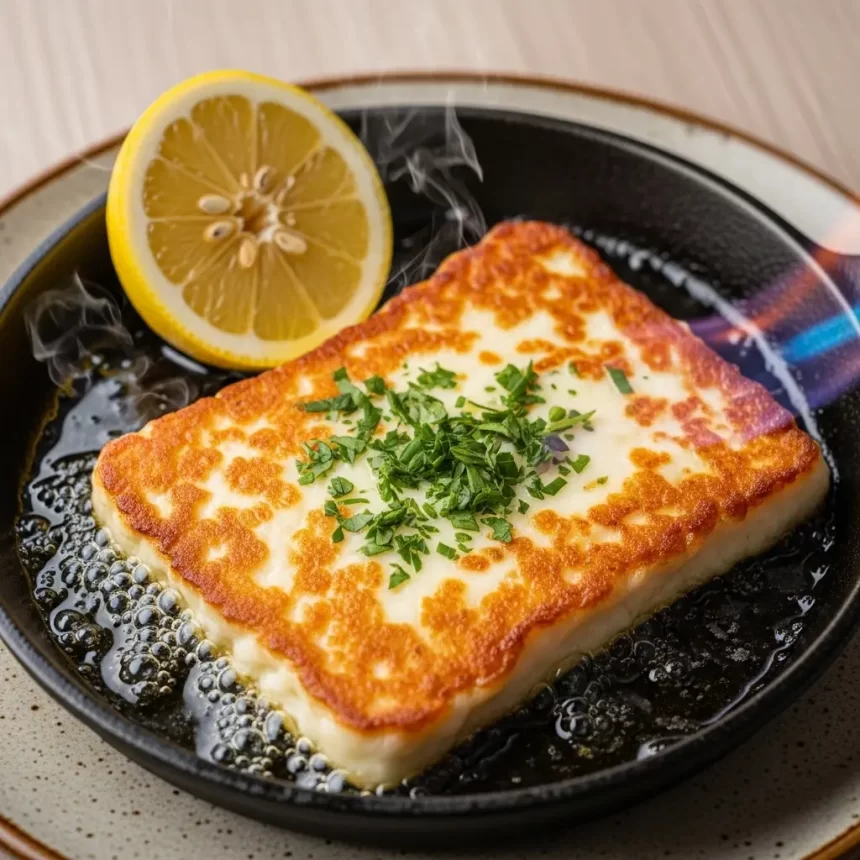
There’s a moment in every culinary journey when simplicity meets spectacle-when humble ingredients transform into something unforgettable. In the heart of Greek cuisine, that moment arrives sizzling in a small, cast-iron pan: Saganaki. This golden, pan-fried cheese delight is more than just an appetizer; it’s a festivity of tradition, flavor, and conviviality. Crispy on the outside, decadently molten within, Saganaki embodies the sun-drenched spirit of Greece in every bite.Join us as we explore the origins, secrets, and timeless appeal of this iconic dish that continues to captivate taste buds around the world.
The Origins and Cultural Significance of Saganaki in Greek Cuisine
Sizzling Saganaki is more than just a decadent starter-it’s a vibrant celebration of Greek tradition and hospitality.This beloved dish traces its roots to coastal tavernas and bustling city eateries where locals gather to share stories, laughter, and the irresistible aroma of golden, pan-fried cheese. Saganaki, named for the small two-handled frying pan it’s cooked in, epitomizes the simplicity and rich flavors that define Greek cuisine.
Historically, saganaki emerged from the resourceful use of regional cheeses like kefalotyri and graviera, which are ideally suited to achieve that luscious melt with a perfectly crisp crust. This dish holds a special place in Greek culture not only as an appetizer but as a social call-a sizzling invitation to savor life’s pleasures one bite at a time.
From seaside islands to mountain villages, saganaki is a symbol of conviviality, frequently enough accompanied by a splash of ouzo or a glass of chilled Assyrtiko, enhancing the sensory experience that has charmed food lovers for centuries.
Choosing the Perfect Cheese for an Authentic Saganaki Experience
Authenticity begins with the cheese, the star ingredient of sizzling saganaki. Selecting the right type is crucial to balancing meltability and bite. Traditional Greek cheeses such as kefalotyri, graviera, and halloumi are favored for their firm texture and salty, nutty flavor profiles.
Kefalotyri offers a distinct sharpness and crisps beautifully when pan-fried. If unavailable, a strong pecorino or aged manchego can serve as excellent substitutes, imparting a similarly savory complexity. Meanwhile, graviera is milder, with a buttery note and superb melting capabilities, great for those who prefer a more tender bite.
When selecting cheese for saganaki, ensure it is unsalted or lightly salted to prevent overpowering the dish. Also, opt for blocks rather than pre-shredded cheese for optimal texture and an impressive golden crust.
Mastering the art of Pan-Frying for a Crispy Golden crust
Achieving that perfect sizzling saganaki with a golden crust and creamy interior is an art that’s surprisingly approachable.Begin by slicing your chosen cheese into roughly ½-inch thick slabs, ensuring uniformity for even cooking. Lightly dredge each slice in all-purpose flour; this creates a slight barrier that encourages crust advancement while keeping the cheese from sticking.
Heat a heavy-bottomed skillet (a cast iron pan or traditional saganaki pan works best) over medium-high heat. Add a generous drizzle of high-smoke-point oil such as grapeseed or olive oil. Once shimmering, gently lay the cheese slices into the pan-you should hear an immediate, tantalizing sizzle.
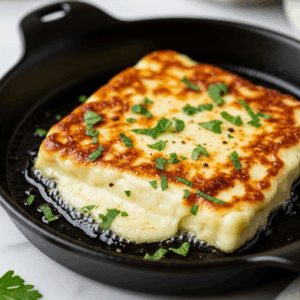
Cook without disturbance for 2-3 minutes until a deep golden crust forms. Carefully flip using a thin spatula, frying the other side until equally crisp. The cheese will become delightfully soft inside but maintain its shape-a delightful contrast to the crunchy exterior.
Remove from the pan and place on a warm plate lined with paper towels to drain excess oil. Serve promptly while still piping hot and irresistible.
Serving Suggestions and Pairings to Elevate Your Saganaki Moment
Sizzling saganaki reaches new heights when paired thoughtfully.The simplest presentation-served straight from the pan with a squeeze of fresh lemon juice-awakens the salty richness and cuts through the creamy texture, adding a burst of brightness.
for an elevated experience, garnish with chopped fresh parsley or a sprinkle of oregano. Complement the appetizer with rustic crusty bread to soak up the luscious cheese oils and flavors.
Traditional accompaniments include fresh tomatoes, olives, and a drizzle of honey for a sweet-salty twist. To enhance your table setting, pair saganaki with a dry Greek white wine such as Assyrtiko or a chilled rosé, balancing the richness of the dish.
Whether enjoyed as a festive starter or a casual snack, this sizzling sensation brings a piece of Greece to your kitchen and table-ready to delight every sense.
Prep and Cook Time
- Readiness: 10 minutes
- Cooking: 8 minutes
- Total Time: 18 minutes
Yield
Serves 4 as an appetizer
Difficulty Level
Easy – Perfect for cooks at any experience level
Ingredients
- 8 oz block of kefalotyri,graviera,or halloumi cheese,cut into ½-inch slices
- ½ cup all-purpose flour,sifted
- 3 tbsp olive oil or grapeseed oil,for frying
- 1 lemon,cut into wedges
- Fresh parsley,finely chopped (optional,for garnish)
- Optional: honey or oregano for drizzling
Instructions
- Prepare the cheese: Pat dry each cheese slice with paper towels to remove excess moisture.
- Coat the slices: Dredge each slice evenly in the sifted flour, shaking off excess to prevent clumping.
- Heat the pan: Place a heavy-bottomed skillet over medium-high heat and add the oil.Heat until shimmering but not smoking.
- Fry the cheese: Carefully lay the cheese slices in the pan in a single layer. Fry undisturbed for 2-3 minutes until the bottom is a rich golden brown.
- Flip carefully: Turn the slices over using a thin spatula and cook for another 2 minutes for equal crispness on the other side.
- Drain: Remove the saganaki and transfer to a plate lined with paper towels to absorb excess oil.
- Serve immediately: Squeeze fresh lemon juice over the top and garnish with parsley. optionally drizzle honey or sprinkle oregano for a unique flavor twist.
Tips for Success
- Use a dry cheese to avoid excessive melting and ensure a firm yet creamy texture.
- Do not overcrowd the pan to maintain even heat and proper crust formation.
- If cheese sticks, ensure your pan and oil are adequately heated before adding the cheese.
- Serve saganaki immediately after frying; it’s best enjoyed while hot and sizzling.
- Try variations with smoked cheese or add a pinch of chili flakes for extra kick.
Serving Suggestions
- Serve alongside a crisp Greek salad with tomatoes, cucumbers, and olives.
- Pair with fresh pita or rustic sourdough bread to soak up the rich cheese oils.
- Accompany saganaki with traditional Greek dips like tzatziki or roasted red pepper spread.
- Complement with a glass of chilled Assyrtiko or light rosé wine for authentic flavor balance.
| Nutrient | Per Serving (2 slices) |
|---|---|
| Calories | 320 kcal |
| Protein | 18 g |
| Carbohydrates | 10 g |
| Fat | 22 g |
For more on Greek appetizers and other Mediterranean delights, explore our Greek Meze Recipes. Discover the engaging history of olive oil’s role in Greek cuisine at the Encyclopaedia Britannica.
Q&A
Q&A: Sizzling Saganaki - Greece’s Golden Pan-Fried Cheese Delight
Q: What exactly is saganaki?
A: Saganaki is a beloved Greek appetizer featuring cheese that’s quickly pan-fried until it bubbles, crisps, and turns a luscious golden brown. The term “saganaki” actually refers to the small two-handled frying pan it’s cooked in, but over time, it’s become synonymous with the dish itself.
Q: Which type of cheese is traditionally used for saganaki?
A: Traditionally, saganaki is made with firm, salty cheeses that stand up to high heat without melting into a gooey mess. Kefalotyri and kasseri are stars on the saganaki stage, with graviera and halloumi also making popular appearances depending on regional tastes.
Q: How is saganaki prepared? Is it difficult to make at home?
A: Surprisingly simple! the cheese is sliced about half an inch thick, sometimes lightly dusted with flour, then fried in olive oil (or butter) over medium heat until the edges crisp up and the cheese develops that irresistible golden crust. Finish with a squeeze of fresh lemon juice for a shining, tangy punch.With the right cheese and a trusty pan, you can recreate the magic in your kitchen in under 10 minutes.
Q: Why does saganaki sizzle so vibrantly – is it just the cheese frying?
A: The sizzle comes from a blend of olive oil hitting a very hot pan and the moisture in the cheese steaming away rapidly.This interaction causes the edges to crisp and the inside to soften, essentially creating a crispy-chewy flavor bomb. Some tavernas even flambé the cheese with a splash of ouzo or brandy for dramatic flair,sending flames dancing and enhancing the aroma.Q: Where and when did saganaki originate?
A: Although widely associated with Greece today,saganaki’s roots can be traced back to the Ottoman era in the eastern Mediterranean,where frying cheese in small pans was a common practice. Over centuries, Greeks embraced and perfected this culinary gem, turning it into a signature dish found in tavernas from Athens to the idyllic islands.
Q: Is saganaki served only as an appetizer?
A: While it’s most famous as a starter, saganaki’s versatility means it can star in various roles at the table. Some enjoy it as a snack alongside a crisp Greek salad and a glass of ouzo. Others fold it into salads or serve smaller portions as part of a larger meze spread.Each bite sings with salty richness, making it hard to stop at one.
Q: what makes saganaki so special compared to other fried cheese dishes around the world?
A: It’s the harmony of simplicity,texture,and tradition.Unlike cheeses that melt into a pool of liquid,saganaki’s cheeses maintain structure,offering a satisfying bite complemented by a golden,crispy exterior.It’s a culinary snapshot of Greek heritage-fresh, bright, enduring-and delivers warmth and comfort with every mouthful.
Q: Can saganaki be paired with specific wines or drinks?
A: Absolutely! The salty richness of saganaki pairs beautifully with crisp white wines like Assyrtiko or a chilled retsina. For a more authentic experience, enjoy it alongside a glass of ouzo or tsipouro, whose anise-flavored notes cut through the richness and elevate the entire tasting adventure.
Q: Any tips for first-timers trying saganaki?
A: Be bold with the lemon squeeze-it brightens the dish wonderfully. also,don’t rush the frying; medium heat ensures a perfect crust without burning. And if you get a chance to see a restaurant flambé it tableside,don’t miss the show-saganaki is as much about celebration as it is about flavor!
Dive into the world of saganaki,and you’ll experience one of Greece’s most sizzling treasures-where golden cheese meets fire,flavor,and festive spirit. Opa!
Concluding Remarks
As the last bite of Saganaki melts away, leaving behind its rich, golden essence, we’re reminded why this simple yet stunning dish has captured the hearts (and taste buds) of food lovers worldwide. More than just a cheese, Saganaki is a celebration of Greek culinary artistry-where tradition meets the sizzle of the skillet and every crispy edge tells a story. Whether enjoyed as a starter to a festive feast or a cozy treat on a quiet evening, this golden pan-fried delight invites you to savor the vibrant flavors of Greece, one deliciously molten moment at a time.So next time you crave a taste of the Mediterranean sun, let Saganaki be your golden ticket to a truly unforgettable experience.