
There’s a certain magic in the symphony of textures and flavors that is shrimp and vegetable tempura – a golden, crispy delight that’s as much a feast for the eyes as it is for the palate. Originating from Japan’s rich culinary traditions, tempura transforms simple ingredients into a light, crunchy masterpiece through a delicate batter and precise frying techniques. Whether you’re a seasoned cook or a curious beginner, mastering the basics of shrimp and vegetable tempura unlocks a world of endless possibilities in the kitchen. In this article, we’ll journey through the essential steps and insider tips to help you create tempura that’s irresistibly crisp, perfectly cooked, and bursting with freshness every time. Prepare to elevate yoru cooking and impress your guests with this timeless, crispy delight.
Crispy Delight: Mastering Shrimp & Vegetable Tempura Basics
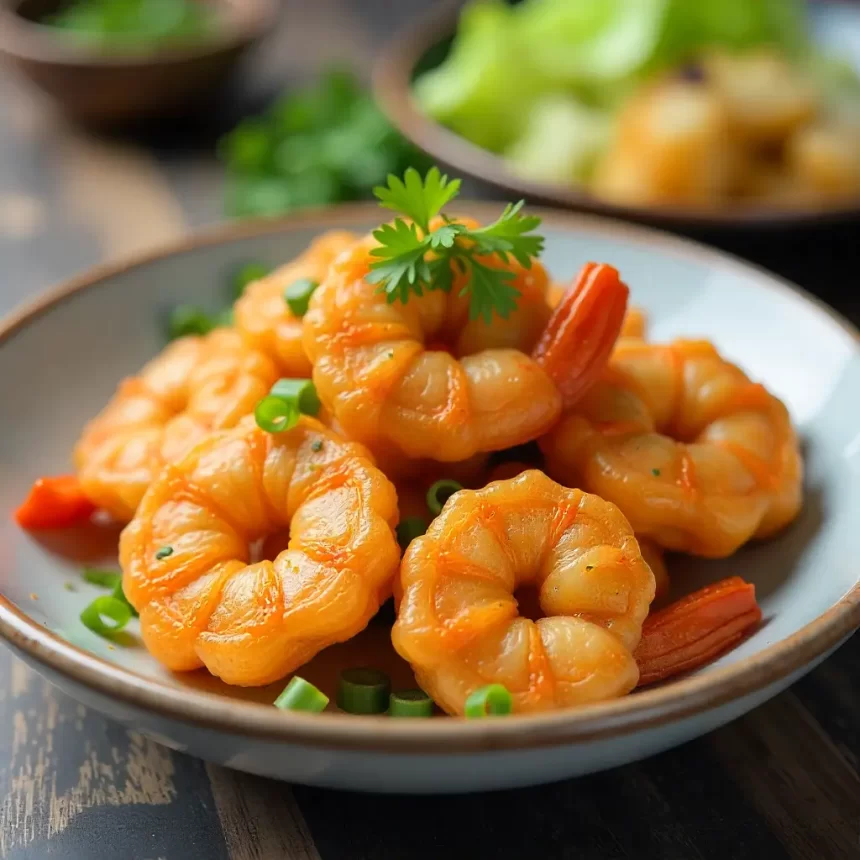
Crispy delight begins the moment you learn how to craft the perfect tempura batter-light, airy, and irresistibly crunchy. originating from Japan’s Edo period,tempura quickly became a beloved culinary art for its delicate balance of texture and flavor.This dish transforms simple shrimp and vegetables into a golden masterpiece that sings with every crisp bite. I still remember my first attempt, the excitement of hearing that satisfying sizzle as the batter hit the oil, leading to a plate that vanished almost instantly at my dinner table.
Prep and Cook Time
- Preparation: 20 minutes
- Cooking: 15 minutes
- total Time: 35 minutes
Yield
- Serves 4 hungry tempura lovers
Difficulty Level
- medium – beginner cooks can master it with practice
Ingredients
- for the Tempura Batter:
- 1 cup all-purpose flour, sifted
- 1 large egg, chilled
- 1 cup ice-cold sparkling water (or ice water)
- 1 tablespoon cornstarch
- 1/2 teaspoon baking soda (optional, for extra crispiness)
- Shrimp and Vegetables:
- 12 large shrimp, peeled and deveined, tails on
- 1 medium sweet potato, thinly sliced into 1/4 inch rounds
- 1 cup green beans, trimmed
- 1 small red bell pepper, sliced into strips
- 1 small eggplant, sliced into 1/4 inch rounds
- For Frying and Serving:
- 2-3 cups vegetable oil or canola oil for frying
- 1/2 cup tempura dipping sauce (tentsuyu)
- Grated daikon radish and lemon wedges for garnish
instructions
- Prepare your ingredients: Pat shrimp dry and lightly season with salt. Arrange vegetables on a plate, ensuring uniform thickness to promote even frying.
- Mix the batter: In a large bowl, lightly beat the chilled egg. Add ice-cold sparkling water and stir gently. Quickly fold in the sifted flour, cornstarch, and baking soda using chopsticks or a fork-do not overmix. The batter should be lumpy and thin, preventing gluten formation for crispness.
- Heat the oil: Pour oil into a deep pan or fryer, heating to 340°F (170°C) for vegetables and 360°F (182°C) for shrimp. Use a thermometer to accurately gauge the temperature-this is key for golden perfection.
- Batter and fry shrimp: Dip shrimp individually into batter, letting excess drip off. Carefully lower into the hot oil,frying in batches to avoid overcrowding.Fry shrimp for 2-3 minutes until crisp and pale golden, flipping halfway.
- Fry vegetables: Dip each vegetable slice into the batter, drain the excess, and place in the oil. Fry sweet potatoes and eggplant for 3-4 minutes, bell peppers and green beans for 2-3 minutes, or until light golden and crisp.
- Drain and rest: Use a wire rack to drain tempura, avoiding sogginess from paper towels.Rest for a minute to retain crispiness before serving.
- Serve immediately: Plate tempura with dipping sauce, grated daikon, and lemon wedges. Encourage guests to dip and savor the contrast between crispy batter and succulent fillings.
Tips for Success
- Keep all batter ingredients cold-store bowl over ice for best results.
- Do not overmix the batter; lumps are essential for a light, airy crust.
- Maintain oil temperature using a thermometer-too hot burns batter, too cool absorbs oil and becomes greasy.
- Fry in small batches to keep the oil temperature steady and tempura crisp.
- For an elegant touch, dust finished tempura lightly with matcha salt or sprinkle sesame seeds.
- Variations: Explore seasonal vegetables like shiitake mushrooms, asparagus, or zucchini for refreshing twists.
Serving Suggestions
Present your crispy tempura on a bamboo mat or patterned plate to evoke authentic Japanese charm. Accompany with a small bowl of warm tentsuyu dipping sauce enhanced with fresh grated ginger. Garnish with vibrant green shiso leaves or a sprinkle of toasted sesame seeds for visual interest. Pair this crispy delight with steamed jasmine rice or a light miso soup to complete a balanced meal.
| Nutrient | Per Serving |
|---|---|
| Calories | 320 kcal |
| Protein | 18 g |
| Carbohydrates | 25 g |
| Fat | 14 g |
For deeper insight into authentic tempura techniques,check our Japanese cooking basics guide. Also, learn more about ingredient selection at Serious Eats – What is Tempura?
Q&A
Q&A: Crispy Delight – Mastering Shrimp & Vegetable tempura Basics
Q1: What exactly is tempura, and why is it so beloved in Japanese cuisine?
A1: Tempura is a classic Japanese dish where seafood or vegetables are lightly battered and deep-fried to golden, crispy perfection. Its appeal lies in the delicate, airy batter that cracks with each bite, offering a contrast of textures-crisp exterior and tender interior. The technique highlights the natural flavors of the ingredients while adding a satisfyingly crunchy shimmer.
Q2: What makes shrimp and vegetables the perfect duo for tempura?
A2: Shrimp brings a sweet, succulent bite with a naturally firm texture that holds up beautifully to frying. Vegetables like sweet potato, bell pepper, or green beans add color, varied textures, and subtle earthiness. Together, they create a harmonious balance-seafood’s rich umami meets vegetable freshness-all cloaked in that irresistible crispy shell.Q3: How do you achieve the iconic light and crispy tempura batter?
A3: The secret is a cold batter made from minimal ingredients-usually just ice-cold water, flour, and sometimes egg. Mixing it gently and leaving lumps intact prevents gluten from developing, resulting in a delicate, airy crunch rather than a thick, doughy coating. Keeping the batter chilled and frying immediately at the right temperature (around 350°F or 175°C) locks in crispness and prevents oil absorption.
Q4: Can I use any vegetables for tempura?
A4: Absolutely! While customary tempura features seasonal veggies like sweet potatoes, mushrooms, and lotus root, you can experiment with zucchini, asparagus, carrots, or even leafy greens. Just cut them into uniform, bite-sized pieces for even frying, and choose vegetables that hold up well to heat without releasing too much water.
Q5: What’s the best way to prepare shrimp for tempura?
A5: Start by peeling and deveining the shrimp, leaving the tails on for a classic look and handy grip.To keep them straight during frying, make small shallow cuts on the belly side or gently pinch and bend them backward. Pat them dry to ensure the batter adheres perfectly, and dip just before frying to maintain batter’s chill and texture.Q6: Any tips on frying tempura to avoid soggy or oily results?
A6: yes! Maintain consistent oil temperature-too low and the batter will soak up oil,too high and the coating burns before the inside cooks. Fry in small batches to prevent temperature drops.drain tempura on wire racks instead of paper towels to keep the crust crisp. Lastly,serve immediately for the best crunch.
Q7: What traditional accompaniments enhance the tempura experience?
A7: Tempura is often enjoyed with a dipping sauce called tentsuyu, a light blend of dashi (Japanese soup stock), soy sauce, and mirin (sweet rice wine). Grated daikon radish adds a refreshing bite and helps cut through the richness. A side of steamed rice,pickled vegetables,and a cup of green tea round out the meal perfectly.
Q8: Can I make tempura ahead of time and reheat it?
A8: Tempura is best savored fresh-its hallmark crispness fades quickly.If necessary,keep fried tempura warm in a low-heat oven on a wire rack. Reheating in a hot oven or air fryer can help restore some crunch, but it won’t be quite the same as coming straight from the oil.
Q9: What equipment do I need to start mastering tempura at home?
A9: A deep, heavy-bottomed pot or a deep-fryer for stable oil temperature, a thermometer to monitor heat, a mixing bowl for batter, a wire rack for draining, and slotted spoons or tongs for frying are essentials. Don’t forget paper towels for easy cleanup and a cooling rack to keep things crispy.
Q10: Any creative twists for tempura beyond shrimp and veggies?
A10: Definitely! Try tempura mushrooms stuffed with cheese, or sweet fruits like apples and persimmons for a dessert variation. Experiment with dipping sauces-wasabi mayo, spicy ponzu, or sesame dressing add delightful new dimensions. Tempura welcomes innovation as much as tradition.
Mastering shrimp and vegetable tempura is an adventure in technique and flavor-a dance of simplicity and precision that rewards with golden, crisp delight every time. Ready your batter and warm your oil; the tempura journey awaits!
The Conclusion
As you venture beyond the basics and perfect the art of shrimp and vegetable tempura, remember that the secret lies in the harmony between light, airy batter and impeccably fresh ingredients. Each crispy bite is a testament to technique, timing, and a touch of patience-transforming simple seafood and garden harvests into a golden festivity of texture and flavor. Whether you’re serving tempura as a crisp appetizer or the star of a comforting meal, mastering these foundational skills opens the door to endless creative possibilities in Japanese cuisine. So grab your whisk, heat your oil, and let your kitchen be filled with the satisfying crunch of homemade tempura-a timeless delight that’s as fun to make as it is tasty to savor.