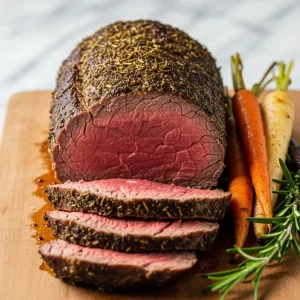

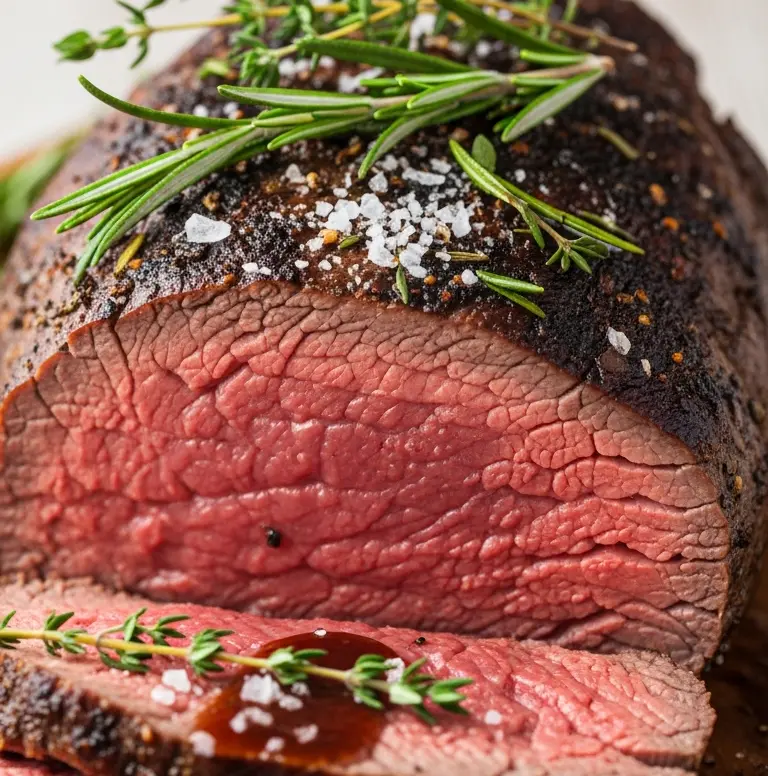
There’s something undeniably majestic about a perfectly roasted beef tenderloin-a centerpiece that commands attention, promises indulgence, and turns any meal into a memorable occasion. Yet, behind this culinary showstopper lies a delicate balance of technique, timing, and a touch of artistry. Mastering the art of the perfect beef tenderloin roast means unlocking the secrets to tender, juicy meat with a flawless crust that delights every sense. Whether your an aspiring home chef or a seasoned pro looking to refine your skills, this guide will lead you through the essential steps and insider tips to elevate your roast from good to unusual. Welcome to the journey of turning a humble cut into a masterpiece worthy of celebration.
Mastering the art of the perfect beef tenderloin roast begins with a thoughtful selection of the cut itself, ensuring every bite delivers unparalleled tenderness and rich, beefy flavor. This prized cut, often regarded as the crowning jewel of steaks, deserves special attention from start to finish. Whether you’re preparing for an intimate dinner or a festive gathering, these carefully curated steps will elevate your roast into a memorable culinary masterpiece.
Prep and cook time
- Preparation: 20 minutes
- Cooking: 40-50 minutes (depending on size and doneness)
- Resting: 15 minutes
- Total Time: Approximately 1 hour 30 minutes
Yield
- Serves 6 to 8 elegantly satisfied guests
Difficulty Level
- medium – great for home cooks ready to impress with confidence
Ingredients
- 1 (4 to 5-pound) whole beef tenderloin,trimmed
- 2 tablespoons olive oil,plus extra for searing
- 2 teaspoons kosher salt
- 1 teaspoon freshly ground black pepper
- 4 cloves garlic,minced
- 1 tablespoon fresh rosemary,finely chopped
- 1 tablespoon fresh thyme leaves
- 2 tablespoons unsalted butter
- Optional: 1 tablespoon Dijon mustard (for an extra flavor layer)
Instructions
- Selecting the ideal cut: When buying your beef tenderloin,look for a piece with firm,fine-grained meat and uniform thickness. A whole center-cut tenderloin works best for an evenly cooked roast. Ask your butcher to “french” the bone if desired for elegant presentation.
- Preparing the seasoning: In a small bowl, combine kosher salt, freshly cracked black pepper, minced garlic, rosemary, and thyme. Rub this seasoning blend generously over the entire surface of the tenderloin, ensuring every crevice is seasoned for maximum flavor infusion.
- Preheat your pan: Choose a heavy-bottomed oven-safe skillet, preferably cast iron, and preheat it over medium-high heat. add a tablespoon of olive oil and allow it to get shimmering but not smoking.
- Perfecting the sear: Place the seasoned tenderloin in the hot pan. Sear on all sides until a glorious golden-brown crust forms-about 2-3 minutes per side. This caramelization locks in juices, providing contrast to the velvet interior.
- Roasting to juicy perfection: Transfer the skillet or move the tenderloin to a preheated oven set at 425°F (220°C). Roast until your thermometer inserted into the thickest part reads 125°F for medium-rare (about 20-25 minutes). Adjust time for preferred doneness.
- Resting the roast: Remove the beef tenderloin roast from the oven and transfer it to a cutting board. Tent loosely with aluminum foil and allow it to rest for 15 minutes. This crucial step lets the juices redistribute, resulting in an irresistibly juicy bite.
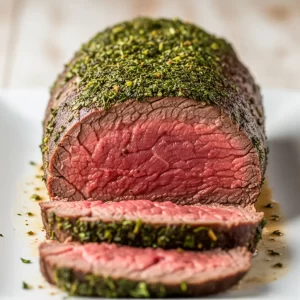
- Carving with finesse: Using a sharp chef’s knife, slice into 1-inch thick medallions across the grain. For a stunning presentation, arrange slices on a warm platter and garnish with sprigs of rosemary or thyme.
Tips for Success
- For even cooking, tie the tenderloin with kitchen twine every 1-2 inches to maintain its shape.
- If time allows, season the meat and let it rest uncovered in the fridge overnight for a dry brine that intensifies flavor and tenderness.
- Use a meat thermometer for precision; undercooking preserves tenderness while overcooking risks dryness.
- Add a pat of herb butter atop each slice before serving for an indulgent finish.
- Make-ahead: Sear and roast the tenderloin, then refrigerate wrapped tightly.Gently reheat in a 300°F oven until just warm before slicing.
serving Suggestions
Pair this luxurious beef tenderloin roast with classic sides like creamy garlic mashed potatoes, roasted seasonal vegetables, or a luscious red wine reduction sauce. Garnish with fresh herb sprigs and a light sprinkle of flaky sea salt for added texture and visual appeal. Accompany with crusty artisan bread or a fresh green salad tossed in a lemon vinaigrette to balance the rich flavors.
Nutritional data (per serving)
| Calories | Protein | Carbohydrates | Fat |
|---|---|---|---|
| 370 kcal | 42 g | 2 g | 22 g |
enhance your culinary journey by exploring related recipes such as Prime rib Roast. For more beef sourcing tips, check out this Beef Quality Guide from Beef. its What’s For Dinner®.Your skillful handling of each step will surely make this roast the highlight of any meal.
Q&A
Q&A: Mastering the Art of the Perfect Beef Tenderloin Roast
Q1: what makes beef tenderloin the crown jewel of roasts?
A1: Beef tenderloin is prized for its buttery tenderness and delicate flavor. Unlike other cuts, it comes from a muscle that hardly gets any exercise, resulting in melt-in-your-mouth softness. Its fine grain and lean profile make it the perfect centerpiece for a special occasion or an impressive dinner.
Q2: How do I choose the right beef tenderloin roast at the market?
A2: Look for a radiant, cherry-red color with fine marbling – those little white streaks of fat that melt during cooking and impart juiciness. Feel for a firm yet slightly springy texture. If possible, pick a whole untrimmed tenderloin so you can customize the trim, or get a “tail-off” portion for easier handling.
Q3: Should I trim the beef tenderloin myself or buy it pre-trimmed?
A3: Both options work,but mastering your own trim boosts your confidence and grants control over the roast’s shape. Trimming removes excess fat and the silverskin,allowing seasoning and cooking to penetrate evenly. Plus, you can save the trimmings to craft a rich homemade stock or stew.
Q4: What’s the secret to seasoning a beef tenderloin roast?
A4: Simple is sublime. Salt and freshly cracked black pepper are your foundation. For an extra touch, rub the surface with garlic, rosemary, or thyme, and finish with a drizzle of olive oil to encourage a caramelized crust. Letting the seasoned roast rest at room temperature for about an hour before cooking helps it roast evenly.Q5: How do I achieve that coveted crust while keeping the inside tender and juicy?
A5: Start by searing the roast in a hot pan to develop a deep, flavorful crust-this Maillard reaction creates a beautiful browning. Then, transfer it to a preheated oven to finish cooking gently. Using a roasting rack helps circulate heat evenly. resist the urge to cut promptly; resting lets the juices redistribute, preserving moistness.
Q6: What internal temperature should I aim for to get the perfect doneness?
A6: For tenderloin, medium-rare (130-135°F or 54-57°C) is the golden sweet spot-juicy, tender, and pink in the center.Use a reliable instant-read thermometer for precision. Remember, the roast will continue to cook slightly while resting, so pull it from heat a few degrees shy of your target.
Q7: Can I prepare beef tenderloin in advance?
A7: Absolutely! You can season, trim, or even sear the roast the day before. Just cover it tightly and refrigerate.Bring it to room temperature before roasting to ensure even cooking. This prep shortcut reduces stress on the day of your feast and intensifies flavor.
Q8: What are some stunning serving ideas for the roast?
A8: Slice thick medallions and plate with a dollop of herb-infused butter or a tangy red wine reduction. Accompany with roasted vegetables, creamy mashed potatoes, or a fresh arugula salad. for a gourmet twist,try a horseradish cream or mushroom ragout alongside.
Q9: Any tips for pairing wine with beef tenderloin roast?
A9: Think elegant yet bold. Classic choices include Cabernet Sauvignon, Merlot, or a spicy Syrah. These wines complement the rich flavors without overwhelming the delicate tenderness. For lighter palates, a Pinot Noir offers bright fruit notes and subtle earthiness.
Q10: How can one elevate their beef tenderloin roast beyond tradition?
A10: Experiment with infusing flavors-try wrapping the roast in prosciutto,brushing with Dijon mustard before seasoning,or adding a crust of crushed nuts and herbs. Incorporate sous vide techniques for ultra-precise cooking, or pair with unexpected sides like roasted beet purée or truffle-scented potatoes to surprise and delight.
Unlocking the art of the perfect beef tenderloin roast is part science, part patience, and all passion.With these insights, your next roast will be a savory masterpiece worthy of any celebration!
Wrapping Up
As the aroma of a perfectly roasted beef tenderloin fills your kitchen, you realize that mastering this culinary art is more than just following a recipe-it’s about understanding your ingredients, embracing patience, and trusting your instincts. With each carefully seared edge and every resting minute, you transform a simple cut of beef into a centerpiece worthy of celebration. Armed with these tips and techniques, you’re now ready to elevate your next roast from ordinary to extraordinary, turning every dinner into a memorable experience. So go ahead-ignite your passion for cooking, savor the process, and most importantly, enjoy the flavorful rewards of your mastery.