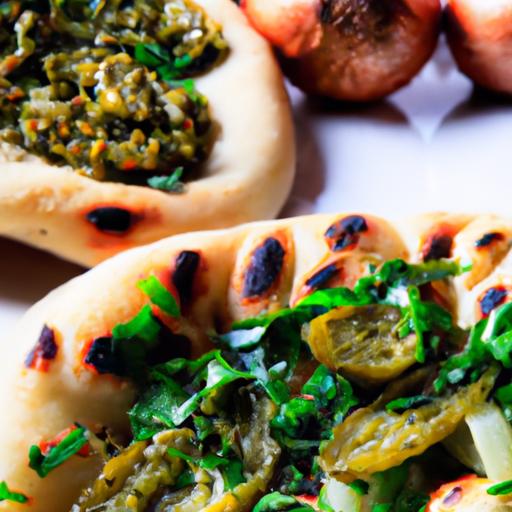

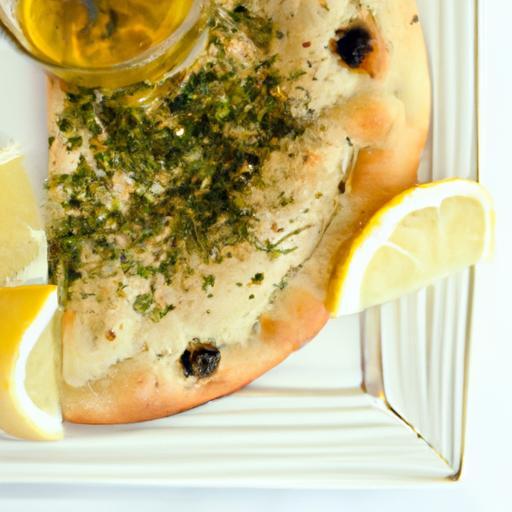
In the heart of Middle eastern cuisine lies a humble yet enchanting dish that has captured taste buds and traditions alike for centuries: the manakish. At its core, this simple flatbread, adorned with the vibrant green sprinkle of za’atar and the golden drizzle of olive oil, weaves a story as rich and timeless as the lands from which it hails. The magical marriage of za’atar’s earthy, tangy herbs with the smooth, fruity warmth of olive oil creates a flavor duo that transcends generations, inviting us to explore not just a meal, but a cultural treasure. Join us as we delve into the aromatic world of manakish, uncovering the secrets behind za’atar and olive oil’s enduring charm and why their union continues to spell culinary magic.
Manakish Magic: Za’atar & Olive Oil’s Timeless Flavor is a journey that connects you directly to centuries-old Middle Eastern culinary traditions. This iconic flatbread, lightly crisp yet soft inside, boasts an aromatic za’atar topping kissed by the richness of premium olive oil. Originating from Levantine street markets and family tables, manakish uniquely embodies a communal spirit-perfect for sharing, reminiscing, and savoring every bite. My first taste during a Mediterranean getaway instantly revealed its power: simple ingredients elevated to sublime harmony, weaving heritage and flavor effortlessly.
Prep and Cook Time
- Preparation: 20 minutes
- Resting (dough rise): 1 hour
- Cooking: 10-12 minutes
- Total Time: Approximately 1 hour 30 minutes
Yield
Makes 4 generously sized manakish (serves 4)
Difficulty Level
Medium – ideal for home cooks comfortable with basic dough-making and flavor balancing
Ingredients
- For the dough:
- 2 ½ cups all-purpose flour, sifted
- 1 tsp instant dry yeast
- 1 tsp sugar
- 1 tsp salt
- 1 cup warm water (about 100°F/38°C)
- 2 tbsp extra virgin olive oil
- for the za’atar topping:
- ½ cup za’atar spice blend (preferably fresh and aromatic)
- ⅓ cup high-quality extra virgin olive oil
- Optional: Pinch of sesame seeds for extra texture
Instructions
- Activate the yeast: In a small bowl, combine warm water, sugar, and yeast. Stir gently and let sit for 5-7 minutes until foamy. This indicates the yeast is active and ready to work its magic.
- Mix the dough: In a large bowl, combine sifted flour and salt. Form a well in the center, than pour in the yeast mixture and olive oil. Stir with a wooden spoon until the dough starts coming together.
- Knead for resilience: transfer dough to a clean surface floured lightly.Knead for 8-10 minutes until it becomes smooth and elastic. If dough clings too much, sprinkle a touch more flour, but avoid over-flouring to keep it tender.
- Proof to perfection: Place the dough back into a lightly oiled bowl, cover it with a damp kitchen towel or plastic wrap. Let it rise in a warm, draft-free spot for about 1 hour or until doubled in size.
- Prepare za’atar topping: Mix za’atar with olive oil in a shallow bowl until it forms a loose paste. This paste is the heart of the dish; its nutty, herbaceous aroma will fill your kitchen.
- Shape your manakish: Preheat oven to 475°F (245°C). Punch down the risen dough and divide it into 4 equal balls. On a floured surface, roll each ball into a 7-8 inch circle, keeping edges slightly thicker for a soft crust.
- Top and bake: Transfer dough rounds onto a parchment-lined baking tray. Evenly spread a generous layer of the za’atar-olive oil mixture over each circle, leaving a small border. Optionally sprinkle with sesame seeds for added crunch.
- Bake until golden: Bake in preheated oven for 10-12 minutes or until edges are lightly browned and crisp. Watch closely to prevent burning-the aromas will guide you.
- Serve warm: Remove from oven and brush a tiny bit more olive oil over the crust for extra shine and flavor. Let rest 2 minutes before slicing.
Tips for Success
- Za’atar freshness: Quality za’atar is key.Seek out blends with luminous green herbs and toasted sesame seeds. For a DIY blend, combine equal parts thyme, oregano, sumac, and sesame seeds.
- Dough consistency: Dough should be soft but not sticky. Adjust with tiny water or flour amounts during kneading for elasticity without dryness.
- Resting dough: Don’t rush the rise-proper proofing develops flavor and airiness.
- Olive oil pairing: Use a fruity and peppery extra virgin olive oil for authentic,layered taste.
- Storage: Manakish is best enjoyed fresh but reheats beautifully in a toaster oven. Freeze dough balls for up to a week – thaw, roll, and bake as directed.
Serving Suggestions
Serve manakish warm alongside fresh labneh, sliced cucumbers, ripe tomatoes, and olives for an irresistible Mediterranean platter. garnish with a drizzle of olive oil and a sprinkle of sumac or fresh parsley for vibrant color. Pair with strong, black Arabic coffee or mint tea to enhance the sensorial experience. Perfect for breakfast, brunch, or as a shareable snack at any gathering.

| Nutrient | Per Serving |
|---|---|
| Calories | 320 kcal |
| Protein | 7 g |
| Carbohydrates | 45 g |
| Fat | 10 g |
To deepen your understanding of traditional Middle Eastern flavors, explore our comprehensive spices guide. For a captivating historical perspective on za’atar’s cultural roots, see this Britannica entry on Za’atar.
Q&A
Q&A: Manakish Magic - za’atar & Olive Oil’s Timeless Flavor
Q1: What exactly is Manakish, and why is it called a ”magic” in this context?
A: Manakish, often dubbed the “pizza of the Middle East,” is a beloved flatbread topped with an enchanting blend of za’atar and olive oil. It’s called “magic” because this simple combination transforms humble ingredients into a deeply aromatic, flavorful delight that has been enchanting taste buds for centuries-truly a culinary spell you don’t wont to break.
Q2: What is za’atar, and what makes it so special?
A: za’atar is a fragrant Middle Eastern spice mix, traditionally crafted from wild thyme (or oregano), sumac, toasted sesame seeds, and a pinch of sea salt. Its unique tangy, herbal, and nutty flavor profile both awakens and comforts the palate, making it a cornerstone of many regional dishes-especially manakish.
Q3: How does olive oil enhance the za’atar on Manakish?
A: Olive oil is the luscious canvas that carries za’atar’s magic. When brushed onto the dough,it not only helps the spices adhere but also enriches the bread with fruity,grassy notes. The warmth of the baking process coaxes the olive oil to meld with za’atar’s earthy herbs, creating a harmonious aroma and a silky texture that is utterly irresistible.
Q4: Why has za’atar and olive oil endured as a timeless flavor combination?
A: Their union is a perfect marriage of nature’s simplest yet most vibrant gifts. Za’atar’s intense herbal character paired with olive oil’s rich, smooth embrace creates a balanced, nutritious, and versatile flavor that resonates across generations, cultures, and cuisines. It’s comfort food that tastes like tradition-simple,authentic,and eternally relevant.
Q5: Can one use different types of olive oil or za’atar to change the flavor profile?
A: Absolutely! A robust, peppery extra virgin olive oil will deepen the earthiness, while a more delicate olive oil can highlight the floral notes of the herbs. Za’atar blends vary by region-some lean heavily on thyme, others on sumac or oregano-each offering a slightly different “spell” to the Manakish experience, allowing personal creativity within tradition.
Q6: How can someone incorporate the magic of za’atar and olive oil outside of Manakish?
A: The za’atar and olive oil duo is a versatile flavor powerhouse! Drizzle it over roasted vegetables, mix it into yogurt or hummus, sprinkle it atop grilled meats, or use it as a dipping sauce for fresh bread.Wherever you seek an herbal lift or a punch of aromatic zest, this duo performs like culinary alchemy.
Q7: What cultural significance does Manakish hold in the Middle East?
A: Beyond its mouthwatering taste, Manakish is a symbol of hospitality, family, and daily life in the Middle East. Frequently enough enjoyed fresh from the oven as part of breakfast or a communal snack, it brings people together-sharing warmth, tradition, and that unmistakable za’atar-olive oil magic that flavors both food and friendship.
Q8: Any tips for making the perfect za’atar Manakish at home?
A: Use fresh, quality za’atar and extra virgin olive oil for the most vibrant flavor. Roll the dough thin for a crisp, chewy base, and generously brush olive oil mixed with za’atar over it before baking at a high temperature. Bake until golden and fragrant,and serve instantly to capture that warm,tantalizing aroma that defines Manakish magic.
Embrace the timeless flavor of za’atar and olive oil on your next culinary adventure-as some magic never fades.
In Retrospect
As the aroma of freshly baked manakish fades into memory, its timeless blend of za’atar and olive oil lingers-an enduring testament to the rich traditions and vibrant flavors of the Levant. More than just a simple dish, this humble flatbread embodies centuries of culture, community, and culinary magic that continues to inspire palates around the world. Whether savored at a bustling street market or recreated in your own kitchen, manakish invites us to taste history, celebrate heritage, and relish the effortless harmony of za’atar and olive oil-an elemental duo whose charm transcends time.