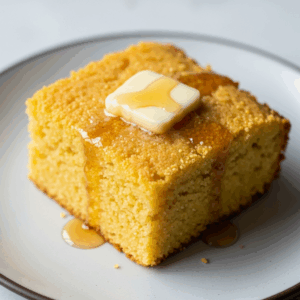

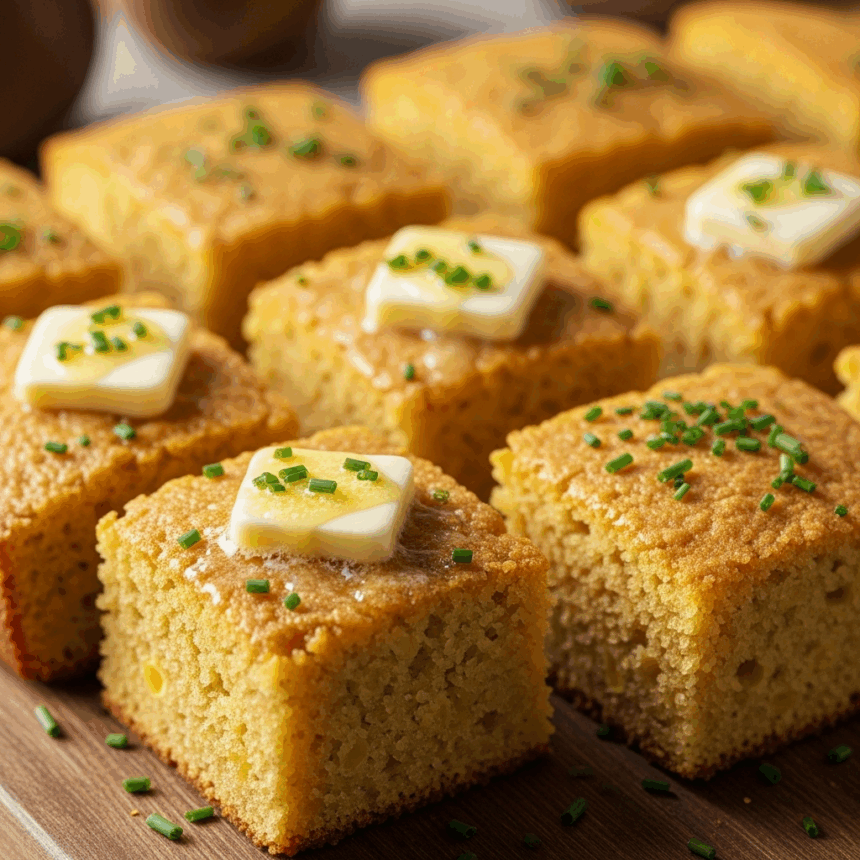
In kitchens warmed by the glow of history and hearth, cornbread has long held a place of honor-a humble yet golden artifact of culinary heritage. Beyond it’s crisp crust and tender crumb lies a story steeped in tradition, culture, and community. From native American ingenuity to Southern soul food celebrations, cornbread is more than just a simple loaf; it’s a symbol of resilience, adaptation, and comfort. Join us as we journey through time and taste, uncovering the secrets and stories baked into every slice of this cherished golden treasure.
Golden Traditions: The Story and Secrets of Cornbread invites you on a culinary journey that celebrates the warmth and character of this timeless dish. Cornbread’s roots stretch deep into history, whispering tales of Native american ingenuity and Southern hospitality, making every crumb a connection to generations of party and comfort. From its rustic origins to modern variations, mastering cornbread is about unlocking the magic of its texture-crispy, tender, and incredibly satisfying-and savoring the balance of flavor in every golden slice.
Prep and Cook Time
Preparation: 10 minutes
Cooking: 20-25 minutes
Total Time: 35 minutes
Yield
8 generous servings
Difficulty level
Easy
Ingredients
- 1 cup yellow cornmeal, medium grind
- 1 cup all-purpose flour, sifted
- ¼ cup granulated sugar (adjustable for sweetness)
- 1 tablespoon baking powder, fresh
- ½ teaspoon fine salt
- 1 cup buttermilk, well chilled
- 2 large eggs, lightly beaten
- ½ cup unsalted butter, melted and slightly cooled, plus extra for greasing
Instructions
- Preheat your oven to 425°F (220°C). Grease a 9-inch cast iron skillet or baking pan with butter for that signature crispy crust.
- In a large bowl, whisk together the cornmeal, flour, sugar, baking powder, and salt. This dry base creates the essential structure and crumb texture.
- In a separate bowl, combine the buttermilk and beaten eggs. Whisk lightly to blend.
- Pour the wet mixture into the dry ingredients. Stir gently with a spatula until just combined; it’s okay if the batter is a bit lumpy. Overmixing can make the cornbread tough.
- Fold in the melted butter last, ensuring it’s evenly distributed to enrich the batter while helping form the perfect golden crust.
- Pour the batter into the prepared skillet or pan.Tap gently on the counter to level the surface and release any air bubbles.
- Bake for 20 to 25 minutes,or until the top is golden brown and a toothpick inserted in the center comes out clean. The edges should pull slightly away from the pan.
- Remove from oven and let cool for 5 minutes before slicing.This short resting period locks in moisture while allowing the crust to firm beautifully.
Tips for Success: Mastering Cornbread Variations and Texture
- Texture matters: For a coarser crumb, use a coarser ground cornmeal. Fine cornmeal yields a delicate, cake-like bite.
- Sweet or savory: Adjust sugar to match your desired flavor profile; add a tablespoon of honey for natural sweetness or replace sugar with smoked paprika and jalapeños for a savory kick.
- Milk substitutes: Buttermilk is essential for tang and fluffy rise, but plain yogurt or kefir can work in a pinch.
- Don’t skip the skillet: Baking in a hot cast iron skillet not only crisps the edges but imbues the cornbread with an irresistible rustic charm.
- Make-ahead tip: Store leftovers wrapped tightly at room temperature for up to 2 days or refrigerate for up to 4 days. Reheat gently to revive the crust.
Serving Suggestions
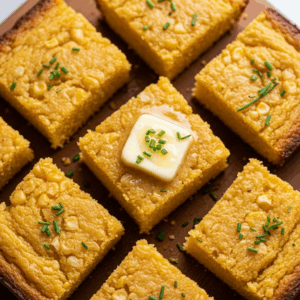
Serve warm with a pat of melting butter or drizzle with local honey for a sweet contrast. Cornbread is a brilliant partner to classic dishes like chili, collard greens, or smoked brisket. Garnish with fresh herbs such as chives or thyme for a pop of color and an herbal hint. For a Southern-inspired treat, crumble over hot soups or use as the base for a savory cornbread stuffing.
| Nutrition (per serving) | Amount |
|---|---|
| Calories | 210 kcal |
| Protein | 5 g |
| Carbohydrates | 28 g |
| Fat | 8 g |
Unlock even more classic Southern baking inspiration by exploring our Southern Biscuit Recipes. To deepen your understanding of cornmeal’s cultural importance, visit Smithsonian Magazine’s feature on cornbread history.
Q&A
Q&A: Golden Traditions – The Story and Secrets of cornbread
Q1: What makes cornbread such an iconic staple in American cuisine?
A: cornbread’s roots run deep in American soil, both literally and culturally. Born from indigenous corn agriculture and enriched by African, European, and Southern influences, it embodies a fusion of traditions. Its simplicity, adaptable nature, and comforting golden crumb have made it a beloved symbol of home-cooked warmth and community gatherings.
Q2: How did cornbread originate, and how has it evolved over time?
A: Cornbread’s story begins with Native American tribes who first cultivated maize and ground it into meal.Early settlers adopted these techniques, blending them with European baking methods. Over centuries, recipes evolved from humble, unleavened cakes to fluffy, buttermilk-rich loaves, reflecting regional tastes-be it savory Southern fried cornbread or sweet variations popular in the North.Q3: What are the “secrets” that elevate a good cornbread from simply tasty to unforgettable?
A: The magic lies in mastering balance-between cornmeal’s gritty texture and the softness of flour, the right hint of sweetness, and a tender crumb achieved through proper leavening. Key is often the use of buttermilk and baking soda or powder, along with butter or bacon fat for richness. Also, cooking in a preheated cast-iron skillet helps form that desirable golden crust that crackles with each bite.
Q4: Why is cornbread so deeply connected to Southern traditions and celebrations?
A: In the South, cornbread transcends nourishment; it’s woven into social fabric and festivals-picnics, church dinners, and holidays. Historically affordable and easy to prepare, it brought families together in kitchens and at tables. Its versatile pairing with everything from hearty beans to delicate greens showcases Southern hospitality and resourcefulness.
Q5: Can cornbread be reinvented for modern palates while honoring its heritage?
A: Absolutely! Contemporary cooks experiment by adding jalapeños, cheese, or honey, and even baking cornbread muffins for grab-and-go treats. Gluten-free versions honoring the cornmeal base respect tradition while embracing dietary trends. The spirit of cornbread is adaptability-it invites creativity while tipping the hat to the generations who shaped it.
Q6: What role does cornbread play in storytelling and cultural memory?
A: Every batch of cornbread carries whispers of ancestors-their struggles, celebrations, and daily lives. It’s a culinary storyteller, passed down through handwritten recipes and family rituals. Eating cornbread connects us to history, place, and peopel-turning a humble slice into a golden thread linking past and present.
Q7: How can someone new to cornbread best experience its essence?
A: Start simple-bake a classic skillet cornbread with a golden crust and tender inside. Pair it with traditional Southern dishes like collard greens or chili. Savor its texture and flavor slowly, appreciating the layers of history baked into each crumb.Then, feel free to explore variations, making the tradition your own while tasting the rich story it carries.
In Summary
As the warm, crumbly slices of cornbread continue to grace tables across generations, they carry with them more than just simple ingredients-they embody stories, regional pride, and the golden glow of tradition. From humble beginnings to beloved staple, cornbread is a testament to the enduring power of food to connect us to our past and to one another. Whether baked in a rustic skillet or folded into a festive meal, its secrets remind us that sometimes the most remarkable tales are baked in flour, cornmeal, and a little bit of love. So next time you savor that golden slice, remember: you’re not just tasting bread, but a rich heritage passed down through time.