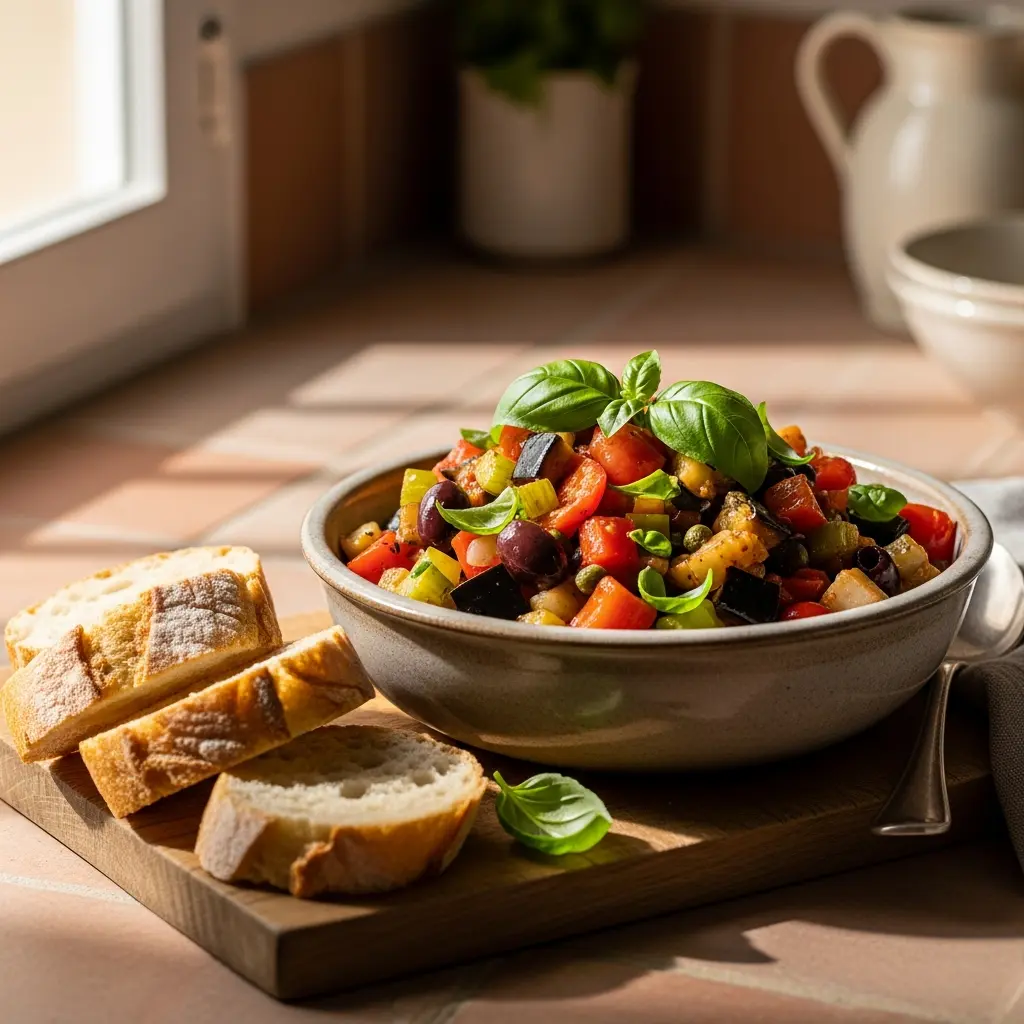

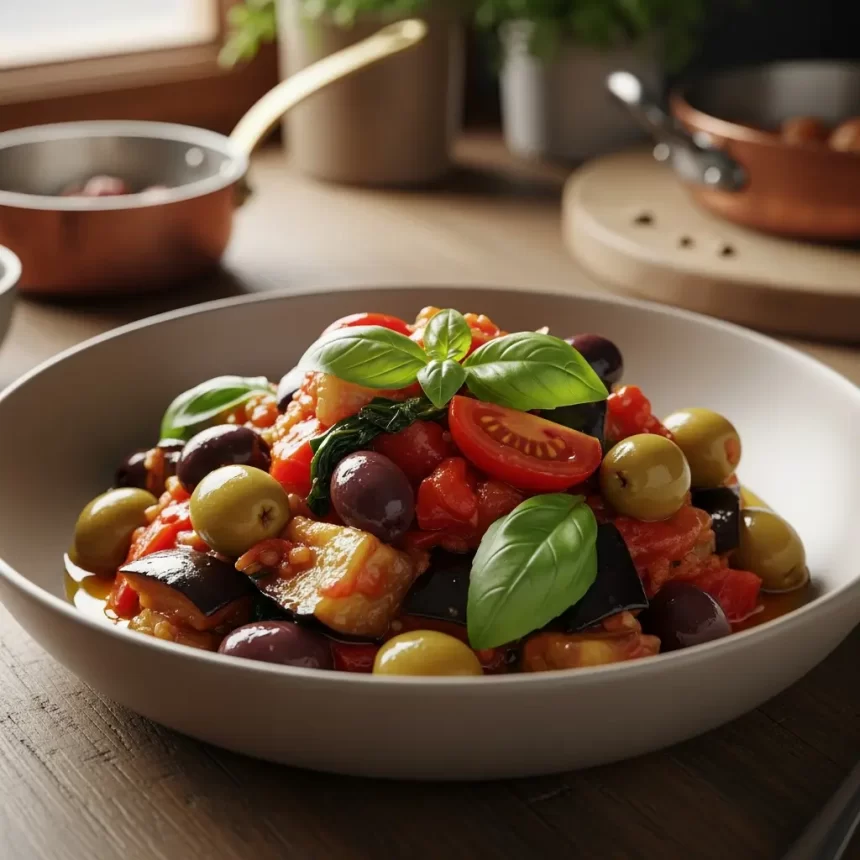
nestled within the sun-kissed landscapes of Sicily, a culinary treasure awaits finding-caponata, italy’s sweet and sour eggplant delight.More than just a dish, caponata is a vibrant tapestry of flavors and history, where tender eggplants mingle with tangy tomatoes, briny olives, and a hint of aromatic vinegar. This mosaic of tastes tells a story of cultural fusion, Mediterranean abundance, and the timeless art of balancing contrasts on a single plate. Join us as we unveil the secrets of caponata,exploring its origins,variations,and the irresistible charm that has made it a beloved staple from humble kitchens to sophisticated tables across Italy and beyond.
Caponata Unveiled: Italy’s Sweet & Sour Eggplant Delight
Caponata, a Sicilian treasure, perfectly embodies the vibrant and bold flavors of southern Italy. This mouthwatering eggplant medley balances sweet and sour notes that tantalize the palate, making it a celebratory dish of both tradition and creativity. As you master this classic, you’ll unlock centuries of culinary history woven into every bite-a story of coastal influences, local produce, and timeless techniques.Let’s dive deeply into the origins, essential ingredients, and creative ways to elevate this iconic recipe in your own kitchen.
Prep and Cook Time
- Preparation: 20 minutes
- Cooking: 40 minutes
- total Time: 1 hour
Yield
Serves 6 as an appetizer or side dish
difficulty Level
Medium – Requires some chopping and attentive sautéing but very approachable
Origins and Regional Twists Behind Italy’s Iconic Eggplant dish
The roots of Caponata trace back to the sun-drenched island of Sicily where fresh vegetables, olives, and aromatic herbs flourish.Traditionally, it’s a rustic dish that reflects the island’s cultural melting pot, influenced by Arabs who introduced the sweet vinegar and dried fruit elements. Depending on the locality, Caponata incorporates regional twists: some areas add raisins, pine nuts, or even celery to bring depth and texture. Understanding these variations not only honors its origin but invites you to experiment and personalize your own rendition of this sweet and sour eggplant delight.
Mastering the Balance of Sweet and Sour Flavors in Caponata
Striking the right harmony between sweetness and acidity is the heart of Caponata. The secret lies in the layering of flavors: plump raisins or a spoonful of sugar offset the tartness of red wine vinegar, while the caramelized edges of sautéed eggplant introduce a subtle smokiness. Carefully timed additions-such as stirring in capers at just the right moment and adding fresh basil near the end-create a multi-dimensional profile. Taste frequently as you cook, adjusting sweet and sour components gradually to cultivate that characteristic zing without overpowering the humble eggplant.
Essential Ingredients and Techniques for an Authentic Caponata Experience
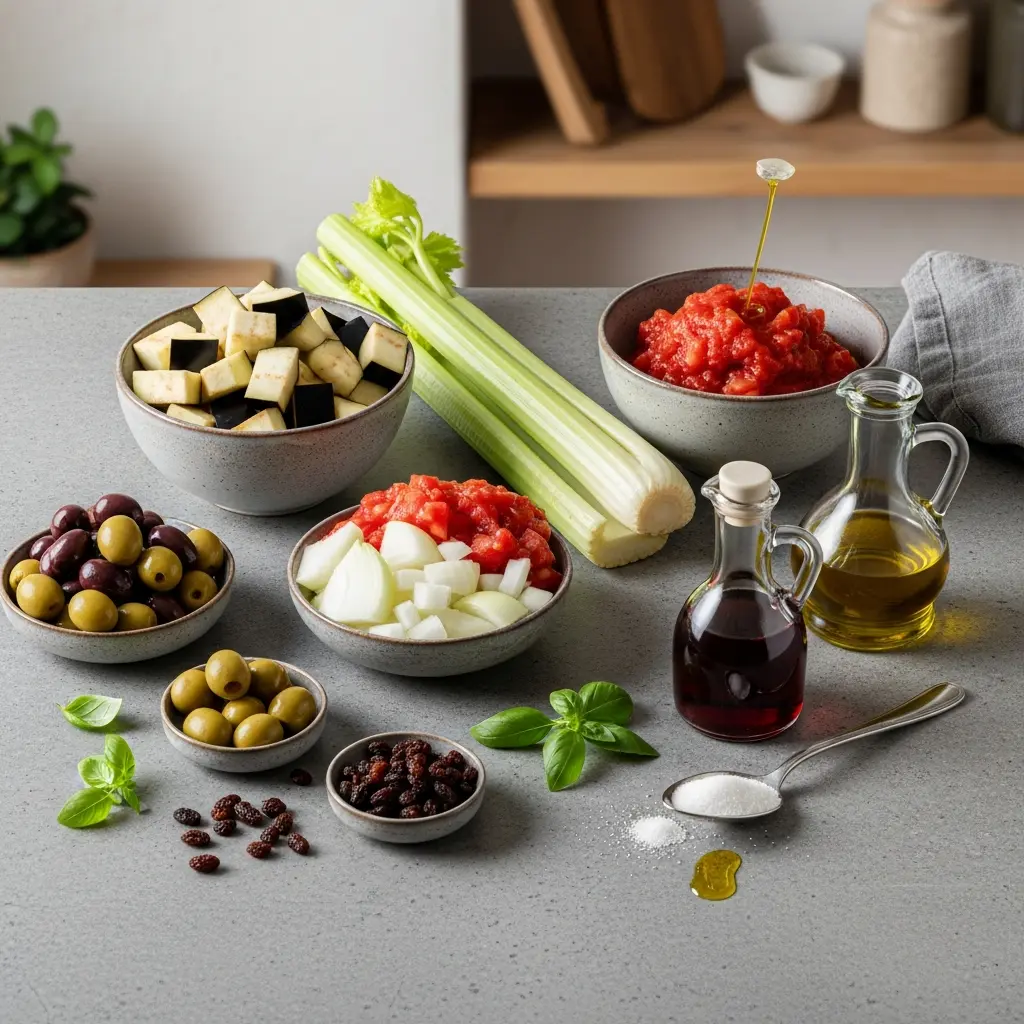
- 2 large eggplants, diced and salt-drawn to reduce bitterness
- 1/2 cup extra virgin olive oil, for sautéing
- 1 medium onion, finely chopped
- 2 stalks celery, sliced thinly
- 1 cup canned tomatoes, crushed
- 1/4 cup green olives, pitted and sliced
- 2 tablespoons capers, rinsed
- 1/4 cup raisins or currants
- 1/3 cup red wine vinegar
- 2 tablespoons sugar
- Fresh basil leaves, chopped
- Salt and freshly ground black pepper, to taste
Proper technique is crucial. Begin by salting the chopped eggplant liberally and letting it rest in a colander to draw out excess moisture and bitterness-this results in a richer,less soggy texture. Sauté the eggplant in batches until golden brown and crisp around the edges, which adds dimension to the dish’s mouthfeel. Cook other ingredients separately or in stages to preserve their unique flavors before combining everything and allowing the sweet and sour sauce to meld into a beautiful, glossy finish.
Step-by-Step Instructions
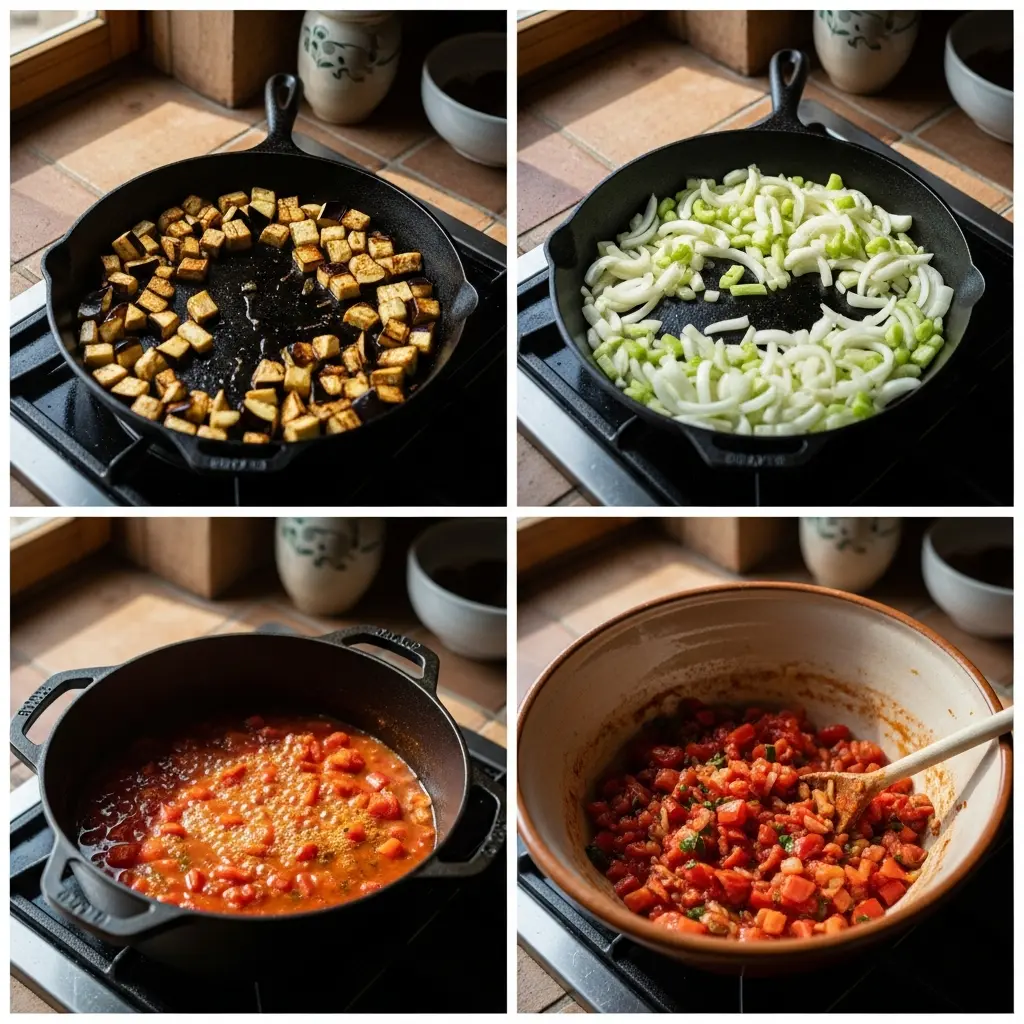
- Prepare the eggplant: Dice 2 large eggplants into 1-inch cubes. Transfer to a colander, sprinkle generously with salt, and leave for 30 minutes. Rinse well and pat dry with paper towels.
- Sauté the eggplant: Heat 1/4 cup olive oil in a large skillet over medium-high heat. Fry the eggplant in batches, stirring occasionally, until golden and soft, about 5-7 minutes.Drain on paper towels to remove excess oil.
- Cook the aromatics: in the same skillet, add the remaining olive oil.Sauté 1 finely chopped onion and 2 sliced celery stalks until soft and fragrant, about 5 minutes.
- Add tomatoes and simmer: Stir in 1 cup crushed tomatoes and cook for 10 minutes, allowing the sauce to thicken slightly.
- Combine main ingredients: Return the eggplant to the skillet.Add 1/4 cup sliced green olives, 2 tablespoons rinsed capers, and 1/4 cup raisins.
- Balance flavors: In a small bowl, mix 1/3 cup red wine vinegar with 2 tablespoons sugar. Pour over the vegetables and stir well.Simmer gently for 15 minutes, stirring occasionally.
- Finish: Adjust salt and pepper to taste.Remove from heat and stir in fresh chopped basil leaves for a shining, herbal lift.
- Cool and serve: Caponata tastes best at room temperature or chilled. Let it rest for at least an hour before enjoying.
Chef’s Notes: Tips for Success
- Make ahead: Caponata develops richer flavors if made a day in advance and stored in the refrigerator.
- Eggplant alternative: Use a mix of zucchini and bell peppers for a lighter variation but keep the sweet-sour balance intact.
- Sautéing tip: Avoid overcrowding the pan when frying eggplant to prevent steaming instead of browning.
- Vinegar substitution: Substitute red wine vinegar with sherry vinegar for a more complex acidity.
- Texture preference: For a chunkier Caponata,chop vegetables coarsely; for a spread-like relish,cook until very soft and mash slightly before serving.
Creative Serving Suggestions to Elevate Your Caponata at Home
This versatile dish shines when served in multiple ways. Use golden crostini garnished with a fresh basil leaf for an elegant appetizer.Dollop atop grilled fish or roasted chicken for a Mediterranean flair. Stir through warm pasta or spoon over creamy polenta to add complexity and balance. For a rustic picnic, pack Caponata alongside crusty bread, aged cheeses, and cured meats for a beautifully layered antipasto board. A final drizzle of extra virgin olive oil and scattered toasted pine nuts lend a sophisticated crunch and shine that impresses every palate.
| Nutrient | Per Serving |
|---|---|
| Calories | 180 |
| Protein | 3g |
| Carbohydrates | 22g |
| Fat | 9g |
To deepen your culinary repertoire, you might also enjoy our detailed guide on Sicilian pasta Recipes. For more on the fascinating history of Sicilian cuisine, the encyclopaedia Britannica’s Italy cuisine overview is an excellent resource.
Q&A
Q&A: Caponata Unveiled – Italy’s Sweet & Sour Eggplant Delight
Q1: What exactly is Caponata?
A1: caponata is a vibrant Sicilian dish that masterfully blends sweet and sour flavors into a hearty eggplant medley. Think of it as a tangy vegetable symphony where tender eggplant meets tomatoes, olives, capers, celery, and often a touch of vinegar and sugar - all dancing together in perfect harmony.
Q2: Where did Caponata originate?
A2: This flavorful concoction hails from the sun-kissed island of Sicily, Italy. Rooted deeply in Sicilian tradition, Caponata reflects the island’s historical tapestry of Greek, Arab, and Spanish influences, each leaving a delicious mark on the dish.Q3: What makes Caponata different from other eggplant dishes?
A3: unlike simple roasted or sautéed eggplant recipes, Caponata thrives on its balance of sweet and sour. The key lies in the interplay of vinegar’s tang and sugar’s sweetness, complemented by briny olives and capers that add a burst of savory depth. It’s less a straightforward vegetable dish and more a complex flavor story.
Q4: How is Caponata traditionally served?
A4: traditionally, Caponata is enjoyed as an appetizer or antipasto, served at room temperature. It can be spread on crusty bread, paired with grilled meats, or simply savored on its own. Its versatility also lets it star as a side dish or even a topping on pasta or fish.
Q5: Are there variations of Caponata within Italy?
A5: Absolutely! While the core ingredients remain consistent, recipes vary across regions and families. Some versions add pine nuts or raisins for extra texture and sweetness, while others incorporate different vegetables like bell peppers or mince a little fresh herbs to elevate the aroma.
Q6: Is Caponata a healthy option?
A6: Yes! Caponata is packed with nutritious vegetables and boasts healthy fats when prepared with quality olive oil. It’s naturally gluten-free,vegetarian,and vegan-pleasant,making it a delicious and wholesome choice to brighten any meal.
Q7: Can I make Caponata at home easily?
A7: Definately. While it requires a bit of chopping and sautéing, Caponata is very accessible to home cooks. The key trick is patience-slowly cooking the eggplant and letting the flavors meld ensures that sweet-and-sour magic that Caponata is famous for.
Q8: What wine pairs best with Caponata?
A8: to match the vibrant, tangy profile of Caponata, look for a crisp, fruity white like a Sicilian Grillo or Vermentino. Their acidity and fresh notes complement the dish’s complexity without overpowering the delicate eggplant flavors.
Q9: Can Caponata be eaten warm or only cold?
A9: while traditionally served at room temperature or chilled, Caponata can also be enjoyed warm.Serving it warm brings out deeper, richer flavors, making it a cozy side dish during colder months.
Q10: Why should food lovers add Caponata to their culinary repertoire?
A10: Caponata is more than a recipe; it’s a celebration of Sicilian culture and the art of balanced flavors. Its unique sweet-and-sour profile awakens the palate while offering a comforting,rustic charm.For food lovers seeking a dish that’s both fresh and soulful, Caponata is an Italian gem waiting to be discovered.
Concluding Remarks
As the flavors of caponata linger on the palate,one cannot help but appreciate the rich tapestry of history,culture,and culinary artistry woven into this humble eggplant dish. From its sweet and sour symphony to its vibrant textures, caponata stands as a delicious testament to Sicily’s ability to transform simple ingredients into a masterpiece. Whether enjoyed as a rustic appetizer, a flavorful side, or a centerpiece of a Mediterranean feast, caponata invites us to savor tradition and celebrate the joyful complexity of Italian cuisine. So next time you seek a taste that tells a story, let caponata unveil its magic on your table-one tangy bite at a time.