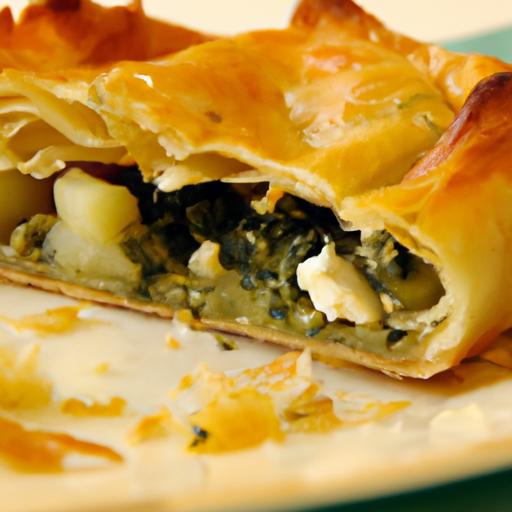

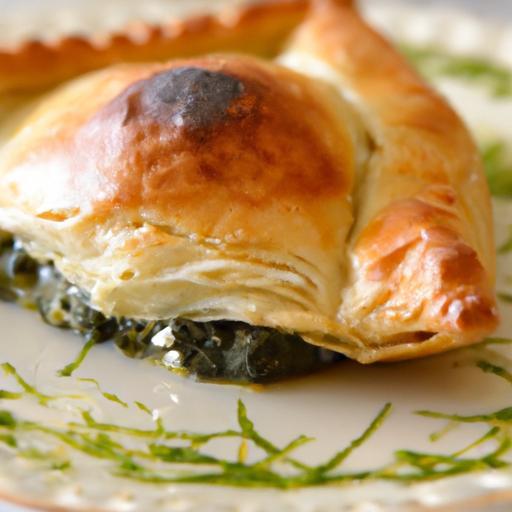
In teh sun-drenched kitchens of greece, where tradition and flavor intertwine, spanakopita stands as a beloved culinary treasure. This classic spinach pie, with its golden, flaky phyllo crust and vibrant, herb-infused filling, tells a story far richer than its simple ingredients suggest. But what truly makes spanakopita irresistibly authentic? Beyond the surface of crisp layers lies a blend of secrets-techniques, regional twists, and time-honored recipes passed down through generations-that unlock its full, savory splendor. in this article, we will unwrap the mysteries of spanakopita, revealing the elements that transform humble spinach and feta into a timeless Greek masterpiece.Whether you’re a curious foodie or an aspiring home chef,prepare to dive deep into the heart of Greece’s iconic spinach pie and discover the secrets that have made it a cherished staple around the world.
Spanakopita Secrets offer a deep dive into the art of crafting the quintessential Greek spinach pie, known for its golden, flaky phyllo layers wrapped around a luscious, savory filling. This beloved dish captures the vibrant flavors of fresh spinach and creamy feta, mingled with fragrant herbs, and wrapped in the delicate crispness that only perfected phyllo dough can deliver. Whether you’re a seasoned home cook or new to Mediterranean cuisine,mastering these techniques transforms spanakopita from a simple snack into a centerpiece of authentic Greek hospitality.
Prep and Cook Time
- Preparation: 30 minutes
- Cooking: 45 minutes
- Total Time: 1 hour 15 minutes
Yield
Serves 8 hearty slices, ideal for sharing at family dinners or festive gatherings.
Difficulty level
Medium: Requires attention to layering and folding but accessible with practice and patience.
Ingredients
- 1 lb fresh spinach, washed, roughly chopped
- 8 oz feta cheese, crumbled
- 4 green onions, finely sliced
- 2 cloves garlic, minced
- 2 large eggs, lightly beaten
- 2 tbsp fresh dill, chopped
- 1 tbsp fresh parsley, chopped
- 1/4 cup olive oil, plus extra for brushing
- 12 sheets phyllo dough, thawed according to package instructions
- Salt and freshly ground black pepper, to taste
Instructions
- Prepare the spinach filling: In a large skillet over medium heat, drizzle 1 tablespoon olive oil and gently sauté the garlic and green onions until aromatic and soft, about 2-3 minutes.
- Add the spinach in batches, stirring until wilted and any excess moisture evaporates, roughly 5-7 minutes. Transfer spinach mixture to a fine-mesh sieve and press out any remaining liquid to avoid soggy filling.
- In a large bowl, combine the sautéed spinach, crumbled feta, beaten eggs, fresh dill, parsley, salt, and pepper. Mix gently until everything is well integrated but not mashed.
- Prepare the phyllo dough: Unroll the sheets carefully on a clean surface. Cover with a lightly damp kitchen towel to prevent drying out.
- Brush a 9×13-inch baking dish lightly with olive oil. Place one phyllo sheet in the dish, brushing the top with olive oil.Repeat layering with 6 more sheets, brushing each lovingly with oil to build crisp, buttery strata.
- Spread the spinach and feta filling evenly over the layered phyllo base.
- Continue layering the remaining phyllo sheets on top, each brushed generously with olive oil, culminating with 4-5 sheets to seal the filling in.
- Master the folding: For a visually charming look, fold the edges of the bottom and top layers inward before placing the final sheets. This traps air pockets, creating delightful crispiness.
- Score the top layers gently with a sharp knife into serving-sized triangles or squares without cutting through to the bottom. This helps prevent cracking during baking.
- Bake in a preheated oven at 350°F (175°C) for 45 minutes, or until the phyllo is deep golden brown and irresistibly crisp.
- Allow to cool slightly before serving to let the filling set perfectly, ensuring clean, stunning slices.
Chef’s Notes: Tips for Success
- Spinach moisture: Overly wet spinach is the nemesis of flaky spanakopita. Always sauté and drain thoroughly to avoid sogginess.
- Phyllo dough selection: Choose high-quality phyllo with thin, fragile sheets to ensure the desired delicate crunch. Store-bought brands like olympia are trusted for consistency.
- Handling phyllo: Keep unused sheets covered under a damp towel at all times to prevent drying and tearing during assembly.
- Make-ahead: Spanakopita can be assembled the day before; simply cover tightly and refrigerate. Bring it to room temperature before baking for even cooking.
- Folding variations: Experiment with triangles or rustic turnovers for individual servings,perfect for picnics or appetizers.
Serving suggestions
Serve your spanakopita warm, garnished with fresh lemon wedges to brighten the rich filling and a sprinkling of extra dill.Pair with a crisp green salad dressed lightly in olive oil and red wine vinegar for a balanced meal. A side of tzatziki sauce adds a creamy, cool element that complements the pie’s robust flavors.

Nutrition Details
| Nutrient | Per Serving |
|---|---|
| Calories | 280 kcal |
| Protein | 8 g |
| Carbohydrates | 18 g |
| Fat | 20 g |
For those intrigued by Mediterranean flavors and looking to deepen their culinary repertoire, check out our Greek dips & Meze Collection to complement your spanakopita perfectly. Dive into the rich heritage of Greek cuisine with every bite!
Discover the origins and cultural significance of spanakopita in this insightful article on Britannica, your trusted source for culinary history and beyond.
Q&A
Q&A: Spanakopita Secrets – The Classic Greek Spinach Pie Unwrapped
Q1: What exactly is spanakopita?
A: Spanakopita is a beloved Greek savory pie that harmoniously layers tender spinach, tangy feta cheese, fresh herbs, and sometimes sautéed onions or leeks, all wrapped in crispy, golden phyllo dough. It’s a dish that’s as much about tradition as it is about flavor-each flaky bite tells a story of Mediterranean sunshine and home-cooked love.
Q2: Why is phyllo dough so essential to spanakopita?
A: Phyllo dough is the defining texture hero of spanakopita. Its paper-thin layers, brushed with butter or olive oil, bake into a delicate, crackling shell that contrasts beautifully with the creamy interior. The magic lies in its translucence and crunch-without it, the pie loses its signature crispness and lightness.
Q3: Can I substitute ingredients in the filling?
A: Conventional spanakopita holds spinach and feta as sacred ingredients, but there’s room to play in the kitchen! Some recipes sneak in herbs like dill, mint, or parsley to add freshness. Others might swap or supplement spinach with Swiss chard or kale, especially if local greens are abundant. The key is balancing moisture and flavor so the filling stays luscious but not soggy.
Q4: What’s the secret to preventing soggy spanakopita?
A: Keep excess moisture at bay by draining and squeezing your spinach thoroughly-this is the unsung hero step! Use a kitchen towel or cheesecloth to wring out as much water as possible. also, sautéeing onions before mixing in the spinach helps evaporate moisture and deepens flavor. layering plenty of buttery phyllo sheets around the filling forms a protective crisp shield.
Q5: How is spanakopita traditionally served?
A: spanakopita loves company-it’s often sliced into triangles or squares and served warm or at room temperature as a snack, appetizer, or side dish. In Greece, it’s a staple at family gatherings, picnics, and festive tables.Pair it with tzatziki, a fresh Greek salad, or a crisp white wine for an authentically Mediterranean experience.
Q6: Is spanakopita difficult to make at home?
A: While working with phyllo dough might seem intimidating at first, making spanakopita at home is quite achievable with a bit of patience and finesse. The trick lies in gentle handling-phyllo is delicate but rewarding.Prepare your filling ahead, keep everything covered to prevent drying, and take your time layering and brushing each sheet. The end result? A flaky masterpiece worth every minute.
Q7: What makes spanakopita a symbol of Greek culinary culture?
A: Spanakopita embodies Greek values: simplicity, fresh ingredients, and communal joy. It’s a dish born from centuries of resourcefulness-using local greens and cheese tucked into phyllo to create nourishment and celebration. Eating spanakopita connects you to the rustic kitchens of the Greek countryside,where food is an expression of love,tradition,and heritage.
Q8: Any tips for making a vegan spanakopita?
A: Absolutely! Replace feta with tangy vegan cheese or crumbled tofu seasoned with lemon juice and nutritional yeast for that umami punch. Use olive oil in place of butter to brush the phyllo. Incorporate plenty of herbs and perhaps a little sautéed garlic for depth. Though it’s a different spin, a vegan spanakopita can still capture the soul of the classic pie.
Q9: Can spanakopita be frozen for later enjoyment?
A: Yes! Spanakopita freezes beautifully. Wrap it tightly in plastic wrap and foil before popping it in the freezer. When you’re ready, bake it straight from frozen or let it thaw in the fridge overnight-just bake until the phyllo is crisp and the filling is heated through. Perfect for busy days craving a taste of greece.
Q10: What’s the single best spanakopita tip for a first-timer?
A: Don’t rush the layering! Take your time brushing each phyllo layer with a generous yet even coating of oil or butter. This ensures that signature golden crunch and keeps the dough from drying out. Patience here turns a good spanakopita into an unforgettable one.
in Retrospect
As the flaky layers of spanakopita gently crumble and the vibrant flavors of spinach, feta, and fresh herbs mingle on the palate, it becomes clear why this classic Greek pie has captured hearts around the world.Beyond its appetizing allure lies a tapestry of tradition, technique, and regional nuance-each slice a savory story passed down through generations. Whether you’re a seasoned cook or a curious newcomer, unraveling the secrets of spanakopita opens the door to both cultural connection and culinary delight. So next time you savor this timeless dish, remember: you’re not just enjoying a pie-you’re tasting a slice of Greece’s rich heritage, lovingly wrapped in every golden, buttery fold.