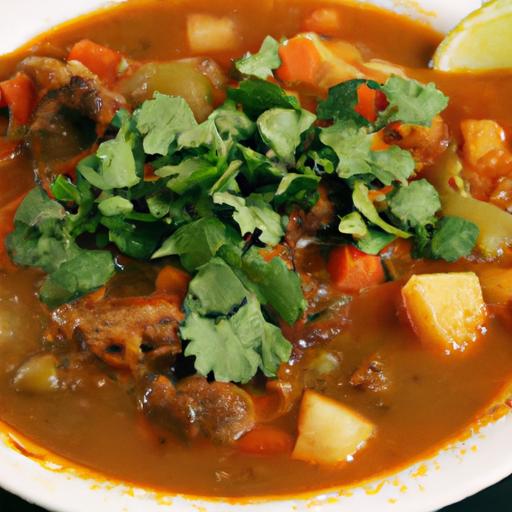

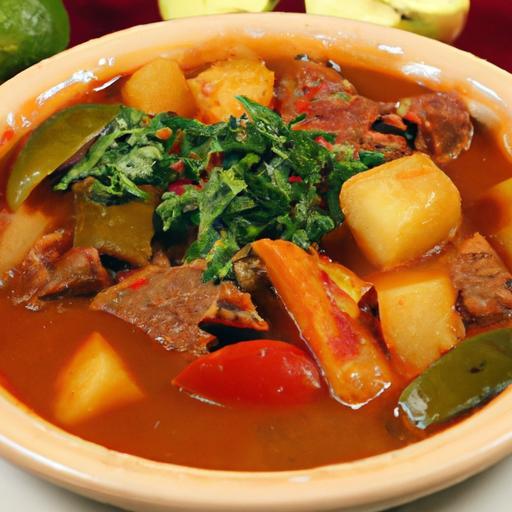
in teh heart of Mexican culinary heritage simmers a dish that is as comforting as a warm embrace adn as rich in history as the stories passed down through generations. Caldillo, a hearty beef stew brimming with tender meat, vibrant vegetables, and fragrant spices, is more than just a meal-it’s a celebration of tradition, community, and flavor. From bustling family kitchens to rustic countryside tables, savoring caldillo invites you to experience the soul of Mexico through every savory spoonful.Join us as we uncover the origins, ingredients, and cultural importance of this beloved stew that continues to nourish both body and spirit across the nation.
Savoring Caldillo immediately transports you to the vibrant heart of Mexican culinary tradition, where rustic, soulful stews warm both body and spirit. This hearty beef stew hails from the central regions of Mexico,a dish beloved for generations due to its comforting layers of robust flavors and simple,wholesome ingredients. My first encounter with savoring Caldillo was during a joyous family gathering in Jalisco, where the kitchen was filled with aromatic, smoky notes of chiles and tender beef simmering patiently over low heat-a true embodiment of Mexico’s rich heritage and home-cooked passion.
Prep and Cook Time
- Preparation: 25 minutes
- Cooking: 1 hour 45 minutes
- Total: 2 hours 10 minutes
Yield
Serves 6 hearty portions
Difficulty Level
Medium – requires slow simmering and layering of flavors but easy to follow
Key Ingredients and Flavor Profiles That Define a True Caldillo
Savoring Caldillo is a celebration of simple ingredients crowned by rich, bold taste. At its core, the stew relies on chuck beef or beef shank, slowly braised until tender, infusing the broth with deep umami. Fresh tomatoes provide a shining acidity balanced by earthy guajillo and ancho chiles, which lend a gentle heat and smoky complexity. Aromatics like garlic, onion, and fresh cilantro brighten the dish, while a splash of beef broth and a hint of cumin create a timeless depth.
Ingredients
- 2 lbs beef chuck or beef shank, cut into 2-inch cubes
- 4 large tomatoes, roasted and peeled
- 3 dried guajillo chiles, stemmed and seeded
- 2 dried ancho chiles, stemmed and seeded
- 1 medium white onion, finely chopped
- 4 cloves garlic, minced
- 6 cups beef broth
- 2 tbsp vegetable oil
- 1 tsp ground cumin
- Salt and freshly ground black pepper to taste
- 1 small bunch fresh cilantro, chopped (for garnish)
- Optional: 2 medium potatoes, peeled and cubed (to add heartiness)
Traditional Cooking Techniques for an Authentic Hearty Stew
- Prepare the chiles: Begin by toasting the guajillo and ancho chiles in a dry skillet over medium heat for 30 seconds per side until fragrant. Transfer to a bowl and cover with hot water. Let soak for 15 minutes until softened.
- make chile puree: Drain the chiles and blend them with roasted tomatoes in a blender until smooth. Set aside this vibrant, smokey base for your stew.
- Sear the beef: Heat vegetable oil in a large heavy-bottom pot over medium-high heat. Add beef cubes in batches, searing until golden brown on all sides (about 5 minutes per batch). Remove seared beef and set aside.
- Sauté aromatics: in the same pot, add chopped onion and garlic. Sauté until soft and translucent,about 5 minutes,stirring often to avoid burning.
- Add spices and chile puree: Stir in ground cumin then pour the chile and tomato puree into the pot. Cook for 5 minutes,letting the mixture thicken slightly and the flavors meld.
- Simmer the stew: Return the beef to the pot. Pour in beef broth and bring to a gentle boil. Reduce heat to low, cover, and simmer for 1 hour 30 minutes, or until beef is tender.
- optional potatoes: If using potatoes,add them about 30 minutes before the end of cooking. This ensures they cook through without turning to mush.
- Final seasoning: Taste and season with salt and freshly ground pepper.Stir in chopped cilantro just before serving for a fresh, herbal note.
Chef’s Notes: Tips for Success
- For deeper flavor, marinate beef with a bit of salt and cumin an hour before cooking.
- If you prefer a thicker stew, mash a few potatoes into the broth to naturally thicken it.
- Substitute guajillo chiles with pasilla chiles if unavailable, but avoid overly spicy varieties to preserve the stew’s delicate balance.
- make-ahead pleasant: this stew tastes even better the next day as flavors continue to meld-refrigerate and reheat gently.
- for a smokier aroma, char the tomatoes and onions on a comal or dry skillet before blending.
Serving Suggestions and Pairings to Enhance Your Caldillo Experience
savoring Caldillo at its best is a feast for all senses. Ladle the stew into colorful, rustic Mexican bowls for an authentic presentation. Garnish with a handful of freshly chopped cilantro and serve with warm corn tortillas or mexican bolillo bread to soak up every drop of the luscious broth. Accompany the meal with a simple side of frijoles de la olla (slow-cooked beans) or a crisp nopales salad to contrast the stew’s richness.
Consider pairing with a vibrant Mexican red wine like a fruity Tempranillo or even a chilled agua fresca infused with lime and mint for a refreshing finish.
| Nutrient | Amount per Serving |
|---|---|
| Calories | 320 kcal |
| Protein | 35 g |
| Carbohydrates | 12 g |
| Fat | 14 g |

Q&A
Q&A: Savoring Caldillo – Mexico’s Hearty Beef Stew Tradition
Q: What exactly is Caldillo, and why is it such a beloved dish in Mexico?
A: Caldillo is a rustic, comforting beef stew that warms the soul as much as it does the body. Rooted in Mexican culinary tradition, this hearty stew is a celebration of simple, robust ingredients simmered slowly to create layers of rich, savory flavors. It’s beloved across regions for its ability to turn humble cuts of beef and locally grown vegetables into a nourishing, soul-satisfying meal that brings families together.
Q: Where does the tradition of making Caldillo come from?
A: The origins of Caldillo trace back to rural Mexican kitchens, where resourcefulness and ingenuity were essential. Farmers and cooks transformed inexpensive beef cuts and whatever vegetables were at hand into a thick, flavorful stew. This tradition reflects Mexican values of sharing, patience, and respect for natural flavors.Over time, regional variations emerged, each adding local spices and produce, making Caldillo a tapestry of Mexico’s diverse culinary landscape.
Q: What are the key ingredients that make a Caldillo unique?
A: At the heart of Caldillo lies tender beef,typically stewed until melt-in-your-mouth soft. Complementing the meat are fresh tomatoes, onions, garlic, and chiles-sometimes mild, sometimes with a fiery kick depending on the region. Potatoes and carrots add body and earthiness, while herbs like cilantro or epazote lend a fragrant herbal brightness. The broth is usually clear but rich, achieved through slow simmering, allowing the essence of each ingredient to shine through.
Q: How does Caldillo differ from other Mexican stews or soups?
A: While Mexico boasts an array of stews-such as birria and menudo-Caldillo stands out for its balance between simplicity and depth.Unlike heavily spiced or complexly layered stews, Caldillo often highlights the natural meat and vegetable flavors with subtle seasonings. Its broth is lighter and more translucent compared to creamier or thicker Mexican stews, creating a clean but hearty mouthfeel that invites savoring every spoonful.
Q: What cultural significance does Caldillo carry in Mexican households?
A: Caldillo is more than a meal; it’s a ritual of comfort and connection.Often prepared in large batches, it fuels family gatherings, celebrations, or quiet evenings after a long day. The act of slow-cooking Caldillo embodies patience and care, values cherished in Mexican culture.Sharing Caldillo is sharing warmth,tradition,and stories passed down through generations-an edible thread weaving community and heritage.
Q: Can Caldillo be adapted for modern kitchens or different dietary preferences?
A: Absolutely! While tradition calls for beef and certain seasonings, Caldillo’s open-hearted nature welcomes creativity. Lean cuts or alternative proteins like lamb or even plant-based “beef” can be substituted to suit dietary needs. Vegetables can be tailored seasonally or regionally, and spice levels adjusted. The essence remains-a nurturing stew that invites experimentation while honoring its roots.
Q: How is Caldillo typically served and enjoyed in Mexico?
A: Caldillo is traditionally ladled steaming hot into deep bowls, often accompanied by warm corn tortillas or crusty bread to soak up the broth. A squeeze of fresh lime or a sprinkle of chopped onions and cilantro may brighten the flavors just before eating. It’s common to pair Caldillo with a side of rice or beans, completing a satisfying and balanced meal that’s both hearty and humble.
Q: Why should food lovers outside Mexico try making Caldillo?
A: For those who cherish culinary journeys that connect flavor with culture, Caldillo offers a delicious portal into Mexican soul food. It’s a dish that teaches patience, respect for ingredient harmony, and the joy of slow, loving preparation. whether you’re a seasoned cook or a curious beginner, making Caldillo invites you to savor a piece of Mexico’s heart-one spoonful at a time.
Future Outlook
as the comforting aroma of caldillo lingers in the kitchen, it serves as a flavorful reminder of Mexico’s rich culinary heritage-a stew not just crafted to satisfy hunger but to warm the soul. Each simmering pot tells a story of tradition, family gatherings, and the simple joy of sharing a hearty meal. So whether you’re a seasoned cook or a curious food lover,savoring caldillo invites you to experience a delicious chapter of Mexico’s vibrant food culture-one spoonful at a time.