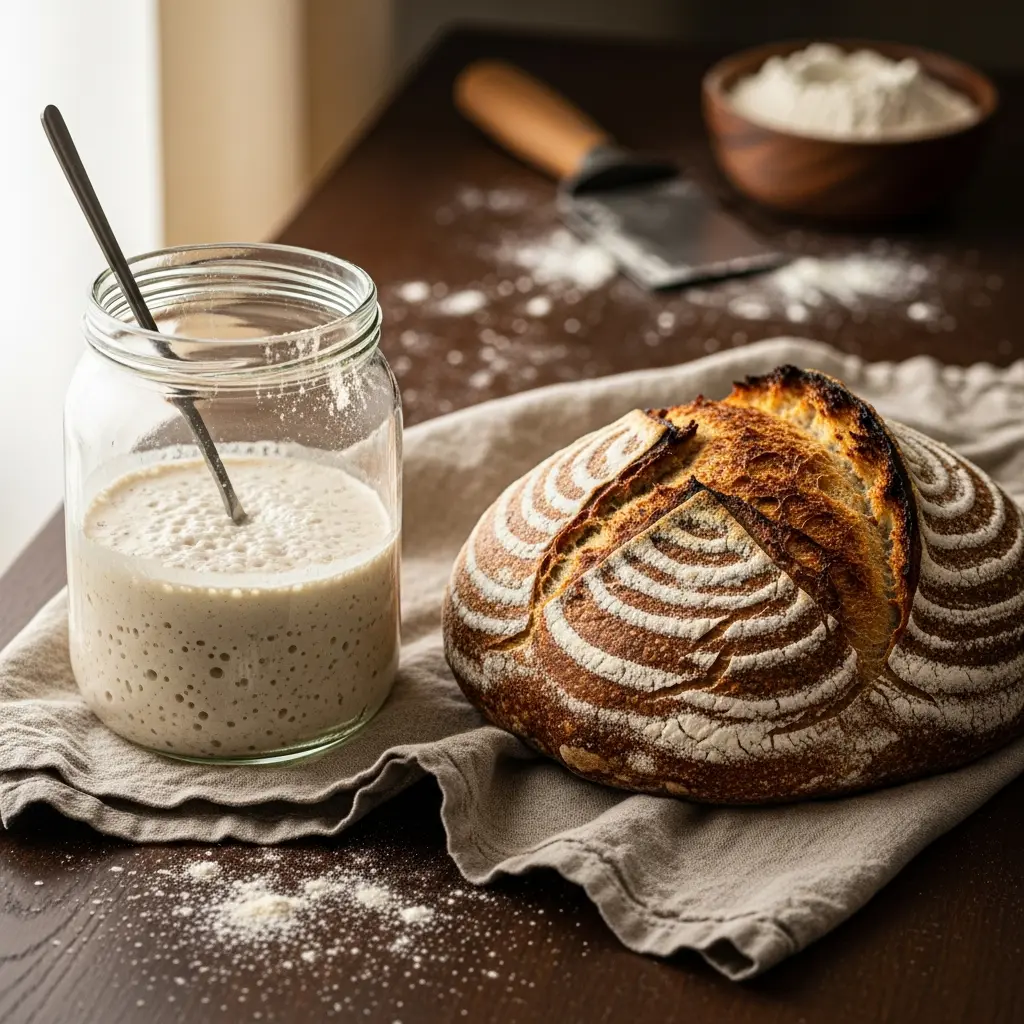

There’s a quiet magic bubbling in kitchens around the world-an ancient alchemy of flour, water, and time that transforms simple ingredients into a loaf bursting with flavor and character. Welcome to the world of sourdough starters,the heart and soul of artisan bread baking. Whether you’re a curious novice or an adventurous home baker, this guide invites you to embark on a creative journey where patience meets chemistry, and every bubble tells a story. Here, you’ll discover how to nurture your own wild yeast culture from scratch, unlocking the secrets to bread that’s as much craft as it is comfort. Ready to rise to the occasion? Let’s dive into the fantastic, whimsical world of sourdough starters-your beginner’s passport to the art of truly homemade bread.
Sourdough starter is more than just a mixture of flour and water-it’s a living culture that breathes life into every loaf. understanding the science behind your sourdough starter’s rise unlocks a world of natural fermentation, balancing wild yeasts and beneficial bacteria to create that signature tang and airy crumb we all crave.
Prep and Cook time
- Planning: 10 minutes (initial mix)
- Fermentation: 5-7 days (daily feedings)
- Maintenance: Ongoing, with daily or twice-weekly feedings once active
Yield
Approximately 1 cup of vibrant sourdough starter ready for baking and feeding.
Difficulty Level
Medium: Requires attention, patience, and consistent rituals, but immensely rewarding.
Ingredients
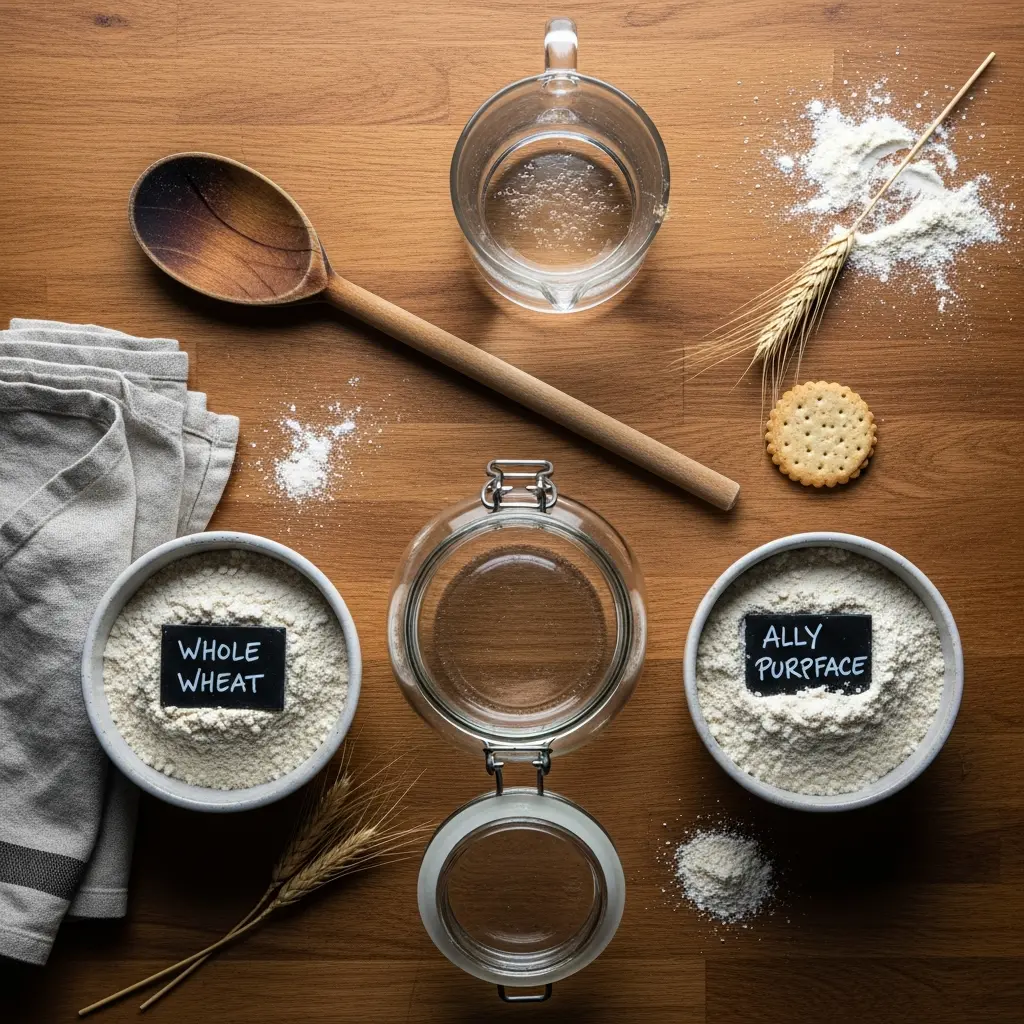
- 1/2 cup whole wheat flour (unbleached, organic preferred)
- 1/2 cup unbleached all-purpose flour
- 1 cup filtered water (room temperature, chlorine-free)
Instructions
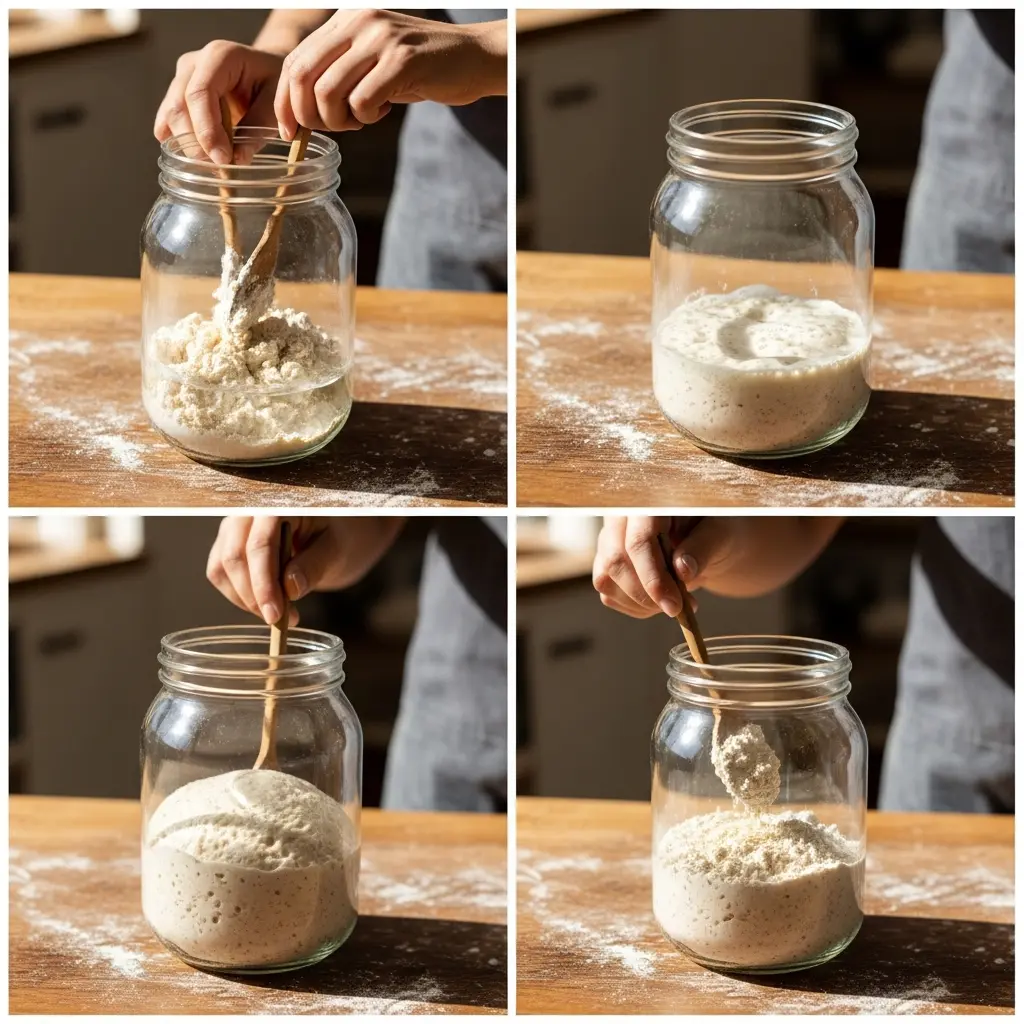
- Mix your flours and water: In a clean glass or ceramic jar, combine 1/2 cup whole wheat flour with 1/2 cup all-purpose flour. Slowly add 1 cup of filtered water,stirring until you get a thick,smooth batter. Whole wheat flour introduces more wild yeast and nutrients, jump-starting fermentation.
- Cover and rest: Use a breathable cloth or a loose lid. keep the jar in a warm spot (70-75°F) away from direct sunlight. This temperature range encourages yeast activity and lactic acid bacteria growth, which produces flavor and lift.
- Feed daily: Each day for 5-7 days, remove half of the starter and add 1/4 cup all-purpose flour with 1/4 cup water. Stir to combine. This replenishes “food” and maintains a balanced environment, preventing sourness from overtaking freshness.
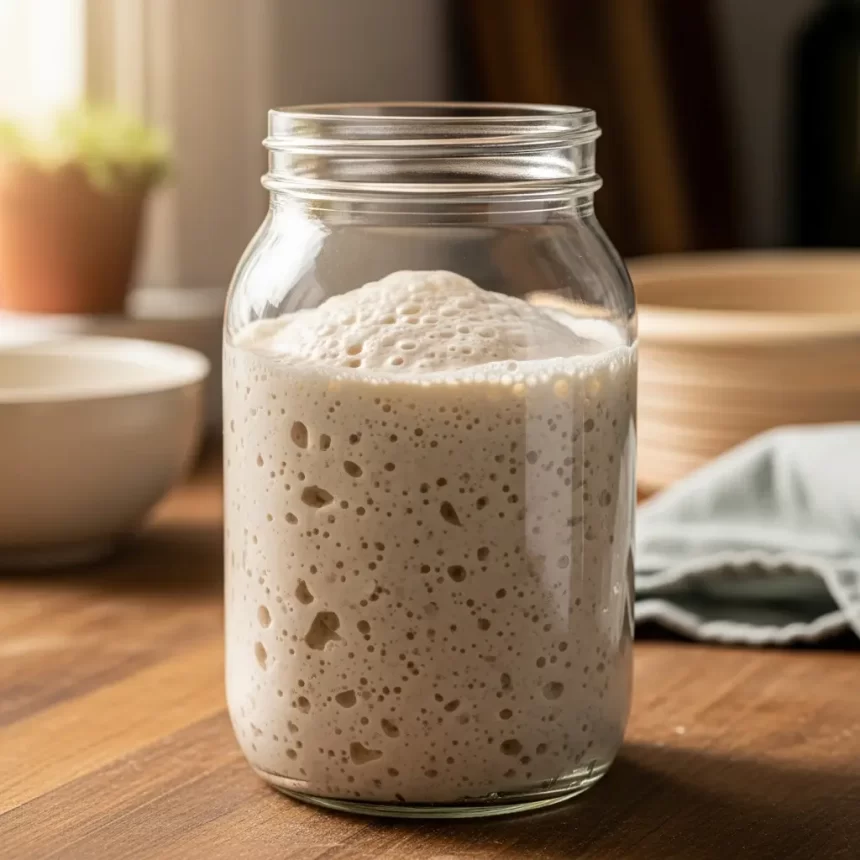
- observe the rise: After 3 days, you may notice bubbles-signs of fermentation! By day 5 or 6, the starter should double in size within 4-6 hours after feeding, smelling pleasantly tangy and slightly yeasty.
- Ready to use: When your sourdough starter reliably doubles and floats in water, it’s prime for baking. You can now either continue daily feedings for frequent use or refrigerate with weekly feedings to maintain activity.
mastering Flour & Water Selection for Optimal Flavor
Choosing the right ingredients is crucial. Whole wheat flour provides a richer mineral profile, encouraging more active fermentation and deeper flavor notes. Meanwhile, filtered water ensures no chlorine or impurities inhibit yeast growth. Experiment with small ratios of rye or spelt for a subtle twist. Always maintain consistent hydration levels to keep your starter predictable and thriving.
Troubleshooting Common Starter Issues
- Starter smells off or develops pink/orange hues: Discard immediately; this indicates harmful bacteria. Clean your jar thoroughly before restarting.
- Not bubbling or rising: Increase ambient temperature or switch to whole grain flour temporarily to boost yeast activity.
- Excessive hooch (liquid on top): This shows your starter is hungry. Stir the hooch back or pour it off and feed immediately.
- Starter to sour: Try feeding more frequently or increase the flour ratio to dilute acidity.
Tips for Success
- Use a scale for precise measurements-consistency is key.
- Mark the jar with a rubber band after feeding to track rise.
- warm environments speed fermentation; cold slows it down.
- Patience is your best ingredient: starters mature at their own pace.
Serving Suggestions
Once your sourdough starter is robust and bubbly, it’s time to bake! This vibrant culture transforms into rustic boules, tangy baguettes, or fluffy pancakes. For a visually stunning crust, brush your loaves with olive oil and sprinkle with coarse sea salt or toasted seeds. Pair freshly sliced sourdough with herb-infused olive oil,creamy cheeses,or vibrant jams to elevate your bread experience.
| Nutritional Component | Per 1 Tbsp of Starter |
|---|---|
| Calories | 15 kcal |
| Protein | 0.5 g |
| Carbohydrates | 3 g |
| Fat | 0 g |
Ready to explore more? Check out our comprehensive sourdough bread baking guide for techniques that bring your starter to life. For scientific insights on wild yeast fermentation, see ScienceDirect: Wild Yeast.
Q&A
Q&A: Sourdough Starter – Your Creative Beginner’s Bread Guide
Q1: What exactly is a sourdough starter?
A sourdough starter is like a living, bubbling pet you keep on your kitchen counter-except it doesn’t bark or meow; it ferments! It’s a natural mixture of flour and water teeming with wild yeast and beneficial bacteria, working together to make your bread rise and glow with that irresistibly tangy flavor.Q2: Why should a beginner bother with a sourdough starter rather of just using commercial yeast?
Commercial yeast is fast and predictable, but a sourdough starter offers depth-flavor complexity, better texture, and the magic of fermentation. Plus, cultivating your own starter is a creative journey, connecting you to age-old baking traditions and offering endless room to experiment.
Q3: How do I create my very first sourdough starter?
Start simple: mix equal parts flour and water (think ½ cup each) in a clear jar. Cover loosely and leave it at room temperature, feeding it daily with fresh flour and water. Watch as it bubbles, grows, and takes on a tangy aroma over about a week.This living culture is your ticket to sourdough success!
Q4: What’s the secret to keeping my starter happy and healthy?
Consistent feeding is key! Feed your starter every 12 to 24 hours with equal parts flour and water, discard some of the old mixture to prevent overgrowth, and keep it at a cozy room temperature. Remember, like any relationship, it thrives with attention and care.
Q5: Can I use different flours to mix up my starter?
absolutely! rye, whole wheat, or spelt can add personality and boost wild yeast activity. Experimenting with flour types is like painting with new colors on your sourdough canvas-each brings unique flavor notes and fermentation quirks.
Q6: How do I know when my starter is ready to bake with?
Look for bubbles throughout, a pleasantly tangy smell, and a rise that doubles in size within 4 to 6 hours after feeding. The “float test” also helps-drop a spoonful in water; if it floats,it’s airy and ready to launch your dough skyward.
Q7: What’s the best way to store my starter if I want to take a break?
For short breaks,pop it in the fridge and feed it once a week. For longer pauses, you can dry it out into flakes or freeze a portion. Just revive it with regular feedings when you’re ready to bake again-your starter is resilient and happy to return!
Q8: How can I get creative once I have a thriving starter?
Endless possibilities! Try mixing in herbs, seeds, or nuts into your dough. Experiment with hydration levels, fermentation times, or bake sourdough pancakes and waffles. Your starter is more than a base-it’s a gateway to artisanal baking adventures.
Q9: What should I do if my starter smells off or grows mold?
A healthy starter smells tangy and fresh, sometimes a bit funky but never unpleasantly sour or foul. If you spot mold-colored fuzz or anything black or pink-safely discard it and start again. Cleanliness and regular feeding usually keep troubles at bay.
Q10: Where can I find inspiration to keep my sourdough journey exciting?
join online sourdough communities, follow fermentation bloggers, or dive into bread-baking books brimming with stories and recipes. Each loaf you create is a chapter in your own creative bread tale-let curiosity lead the way!
In Conclusion
As you nurture your sourdough starter from its humble beginnings, you’re not just cultivating a culture-you’re embarking on a timeless journey of flavor, patience, and creativity. Each bubble and rise tells a story of alive ingredients working in harmony, inviting you to experiment and discover the magic of homemade bread. So,embrace the process,learn from each loaf,and let your kitchen become a bakery of endless possibilities. With your sourdough starter as your trusty companion, every bake is a fresh canvas ready to be transformed by your hands and imagination. Happy baking!