
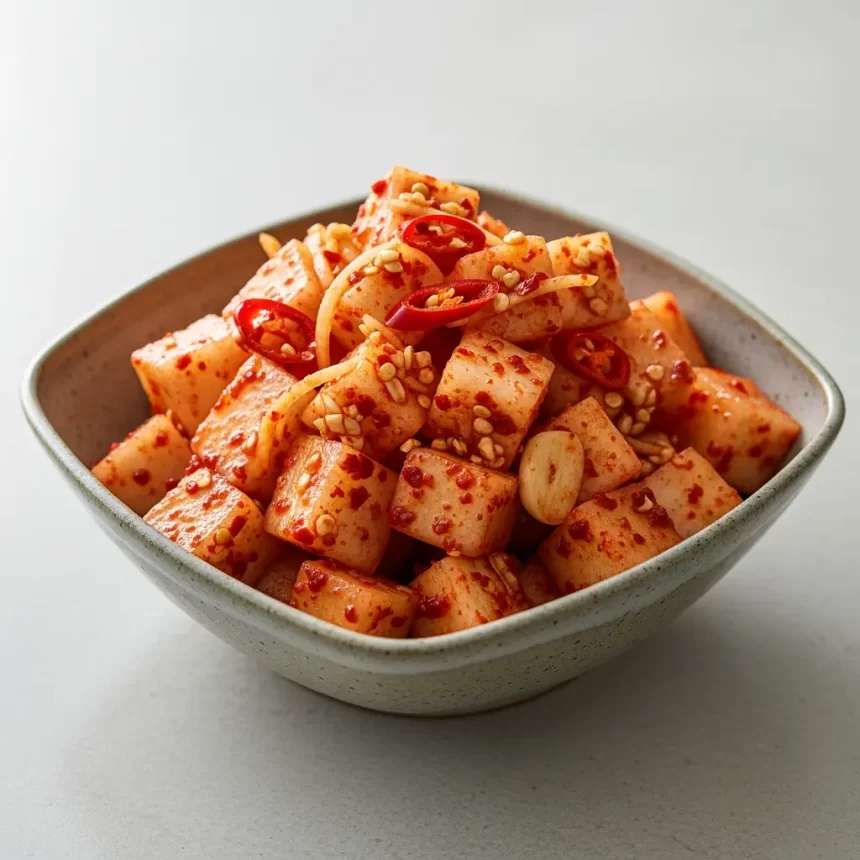
Beneath the vibrant tapestry of Korean cuisine lies a symphony of fermented delights, but none captures the essence of crunch and zest quite like kkakdugi. This beloved variety of radish kimchi transforms simple Korean radish into bite-sized cubes of tangy, spicy goodness that crackle with every bite. More than just a side dish,kkakdugi is a cultural emblem-bridging tradition and taste with its unique texture and bold flavors.In this article, we unwrap the story behind kkakdugi’s crunchy charm, exploring its origins, planning secrets, and the role it plays at Korean tables around the world. Get ready to dive into the refreshing world of Korea’s beloved radish kimchi.
The Art of Choosing the Perfect Korean Radish for kkakdugi
Kkakdugi, a beloved staple of Korean cuisine, owes its signature crunch and vibrant flavor to the selection of the Korean radish, or mu (무).Unlike its white daikon cousin, the korean radish is more robust and dense, with a slightly sweet, peppery undertone that holds up beautifully through fermentation. Using the ideal radish is the first step in crafting authentic Kkakdugi that boasts that irresistible texture and mellow tang, making each bite a delight.
When selecting your radish, look for firm, heavy bulbs with smooth, unblemished skin and a creamy white color tinged with a subtle green near the stem.These qualities indicate freshness and optimal water content-the secret behind that unbeatable crunch. Avoid overly large or overly tender radishes, which can result in softer kimchi and diminished bite.
Mastering the Fermentation Process to Achieve Optimal Crunch
Fermentation is where the magic of Kkakdugi unfolds. the balance between salt, time, and temperature plays a pivotal role in preserving texture while nurturing complex flavors. After properly salting the cubed radish to draw out excess moisture, rinsing, and mixing with the vibrant seasonings, patience is key. Leave your jarred Kkakdugi at room temperature for 1 to 2 days to jumpstart fermentation,then transfer it to a cooler environment to slow down the process and develop richer depth.
For the quintessential crunch,avoid rushing the fermentation or storing it too warm. The crisp edges of each cube should remain distinct, with just enough softness to meld with the fiery, umami-packed seasoning paste.
Flavor Layering Techniques to Elevate Your Kkakdugi Experience
Beyond the radish and basic seasonings like gochugaru (Korean chili flakes), garlic, and ginger, layering flavors brings extraordinary dimension to your Kkakdugi. Incorporate fish sauce for savory depth, balanced by a hint of sweetness from sugar or pear juice. Adding finely diced green onions or a touch of onion powder can introduce subtle aromatic notes.
Don’t underestimate the power of texture contrast: small cubes of green apple or even diced carrot can add seasonal flair and subtle sweetness.Taste your mixture before packing it away-your palate is the best guide.
Serving Suggestions and Pairings That Complement the Bold Texture
Once perfected, Kkakdugi is a vibrant, versatile sidekick. Serve it chilled alongside rich Korean dishes like bulgogi or braised short ribs for a textural and flavor counterpoint.Its tangy spice pairs exceptionally well with milder main dishes like steamed white rice or soft tofu stew, cutting through fattiness with luminous acidity and crunch.
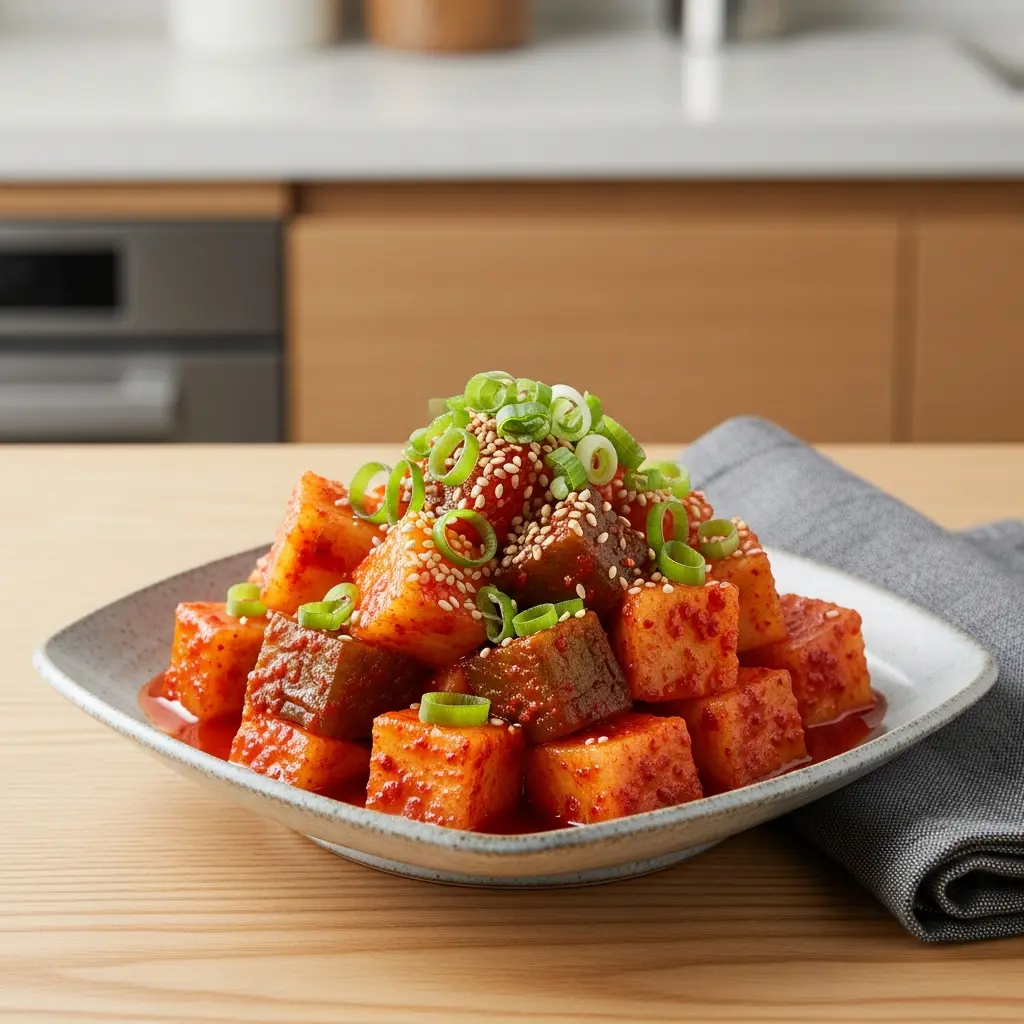
For a refined presentation, garnish with freshly chopped scallions or toasted sesame seeds, and consider a small drizzle of perilla oil for an herbal note. A rustic stone bowl or a simple ceramic dish enhances the visual appeal, inviting your guests to dig in.
Prep and Cook Time
- Preparation: 30 minutes (plus 2 hours salting time)
- Fermentation: 2-3 days at room temperature, then up to 2 weeks in refrigeration
Yield
Approximately 4 cups (serves 4 as a side dish)
Difficulty level
Medium (requires some technique but approachable for all home cooks)
Ingredients
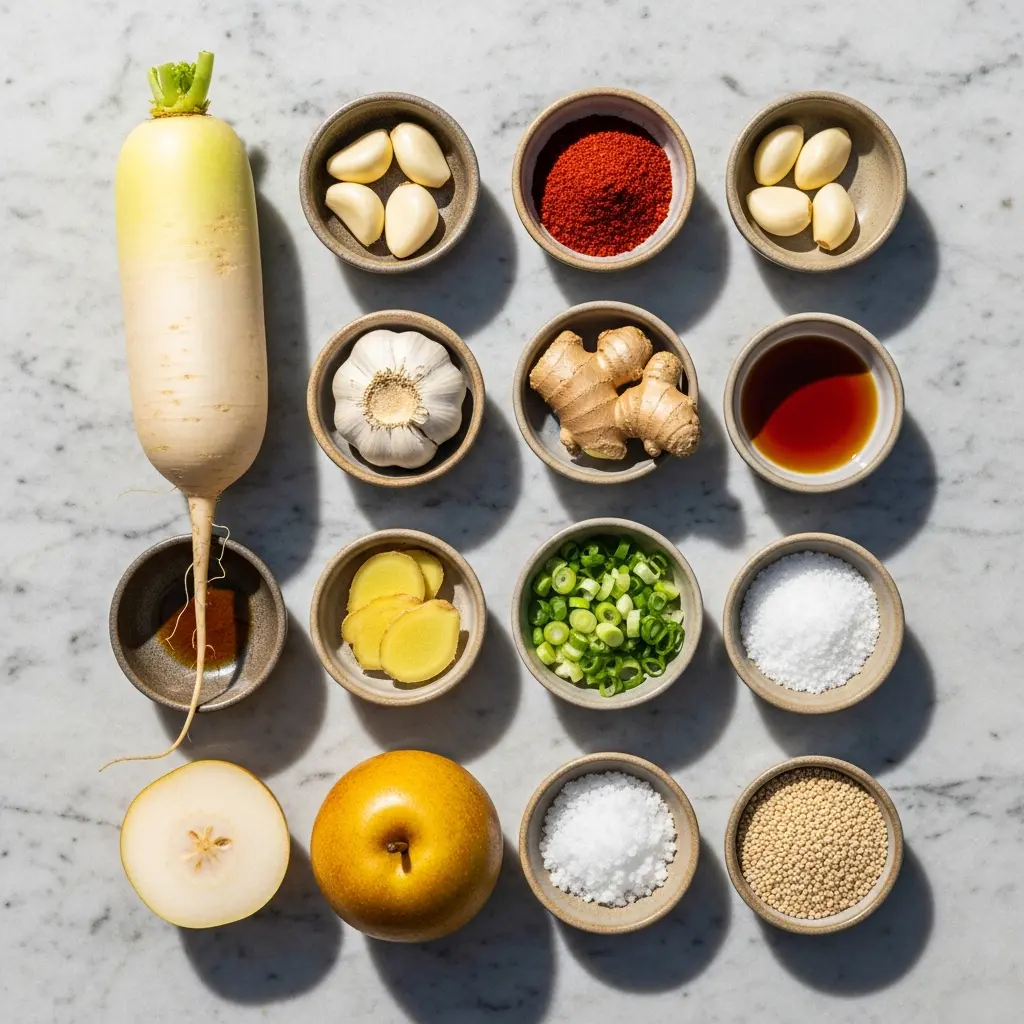
- 1 large Korean radish (~2 lbs), peeled and cut into 1-inch cubes
- 2 tablespoons kosher salt (for salting radish)
- 3 tablespoons Korean red chili flakes (gochugaru)
- 3 tablespoons fish sauce
- 1 tablespoon minced garlic
- 1 teaspoon minced ginger
- 1 teaspoon sugar
- 2 green onions, thinly sliced
- 1/2 cup Korean pear or apple, finely grated (optional for sweetness)
- 1 tablespoon toasted sesame seeds (for garnish)
- Perilla oil (optional, for finishing)
Instructions
- Prepare the radish: Peel and cut the Korean radish into uniform 1-inch cubes for even fermentation and texture pleasure.
- Salt the radish: Toss the radish cubes with kosher salt in a large bowl. Let sit for 1-2 hours, tossing occasionally to draw out moisture. You’ll notice water pooling at the bottom-this is essential for crispness.
- Rinse and drain: After salting, thoroughly rinse the radish under cold water to remove excess salt. Drain well and pat dry with a clean kitchen towel.
- Make the seasoning paste: In a separate bowl,combine gochugaru,fish sauce,minced garlic and ginger,sugar,and grated pear. Mix thoroughly for a vibrant, balanced spice paste.
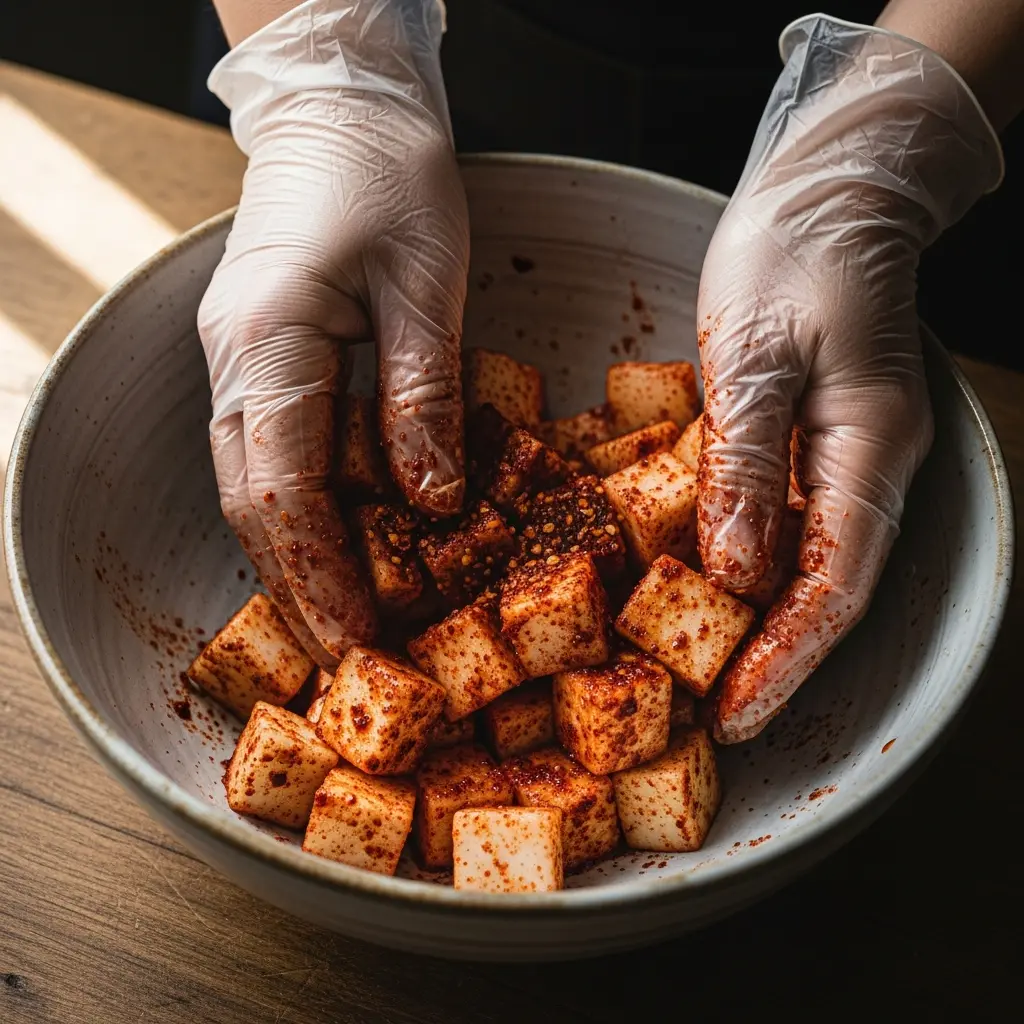
- Mix: Add the drained radish cubes and sliced green onions into the seasoning paste, using your hands (wear gloves) to coat each piece evenly. Ensure every cube is lavishly coated for full flavor infusion.
- Pack and ferment: Transfer the mixture to a clean airtight container or jar, pressing down firmly to minimize air pockets.Leave a little space at the top for gas expansion during fermentation.
- Ferment: leave the container at room temperature for 1-2 days to kickstart fermentation, then refrigerate for 1-2 weeks. Check flavor daily, tasting for preferred tang and crunch.
- Serve and enjoy: Garnish with toasted sesame seeds and a light drizzle of perilla oil just before serving for a fragrant burst.
Tips for Success
- Even cube sizes ensure uniform fermentation and pleasing texture.
- Wear gloves when mixing the spicy seasoning to avoid irritation.
- For a milder version, reduce gochugaru gradually.
- Fermentation time varies depending on temperature-warm climates speed up the process.
- Store refrigerated once fermented to preserve crunch and flavor longevity.
- Make ahead: Kkakdugi improves with age; flavor deepens after 3-4 days chilled.
Serving Suggestions
present Kkakdugi as a dynamic side dish alongside warm bowls of bibimbap, Korean barbecue, or hearty stews like sundubu jjigae. Complement its fiery crunch with cooling elements such as chilled tofu or cucumber salad.For added elegance, serve with a sprinkle of toasted sesame seeds and finely julienned scallions atop a traditional ceramic dish to highlight the dish’s vibrant reds and whites.
| Nutrient | Per 1/2 cup serving |
|---|---|
| Calories | 50 kcal |
| Protein | 1 g |
| Carbohydrates | 10 g |
| Fat | 0.5 g |
Q&A
Q&A: Kkakdugi Unwrapped: The Crunchy Charm of Korean Radish Kimchi
Q1: What is Kkakdugi?
A1: Kkakdugi is a vibrant variety of kimchi made primarily from Korean radish, cut into perfect, bite-sized cubes. Unlike the leafy napa cabbage kimchi more commonly known worldwide, kkakdugi celebrates the radish’s crunchy texture and subtly sweet, peppery flavor, offering a refreshing twist on traditional fermented delights.
Q2: How does Kkakdugi differ from other types of kimchi?
A2: While most kimchis highlight the chewiness of napa cabbage leaves, kkakdugi focuses on texture-the radish cubes provide an irresistible crunch. Its seasoning is typically bold yet balanced, with garlic, ginger, red pepper powder (gochugaru), and sometimes a hint of fermented shrimp or salted shrimp for umami depth. The fermentation process also produces a crisp, tangy burst that distinguishes it from softer varieties.
Q3: What makes Korean radish ideal for this kimchi?
A3: Korean radish, or “mu,” boasts dense, juicy flesh that holds up well during fermentation, maintaining a delightful crunch. Its natural sweetness mellows out the spice, offering layers of flavor. Its water content is just right-not too watery to become soggy, and not too dry-perfect for that iconic kkakdugi snap.
Q4: How is kkakdugi traditionally prepared?
A4: Preparation begins with peeling and dicing the radish into uniform cubes, ensuring even fermentation. These cubes are lightly salted to draw out moisture, then rinsed and mixed with the seasoning paste made from gochugaru, garlic, ginger, green onions, fish sauce or salted shrimp, and sometimes a touch of sugar. The mixture is packed tightly into jars and left to ferment at cool temperatures, developing complex flavors over days or weeks depending on preference.
Q5: When and how is kkakdugi typically eaten?
A5: Kkakdugi is a beloved side dish, accompanying hearty Korean meals like spicy stews (jjigae), barbecued meats, or rice dishes.Its sharp, crunchy acidity acts as a palate cleanser, balancing richer flavors and enhancing overall taste experiences.It’s also fantastic as a snack or mixed into bibimbap for an added zest.
Q6: are there any health benefits to eating kkakdugi?
A6: Absolutely. As a fermented food, kkakdugi is rich in probiotics that aid digestion and promote a healthy gut. korean radish itself offers fiber, vitamin C, and antioxidants. The fermentation process also increases the bioavailability of nutrients,making kkakdugi a tasty and wholesome addition to your diet.
Q7: Can I make kkakdugi at home? Any tips?
A7: Yes! Making kkakdugi at home is rewarding and surprisingly simple. Key tips include using fresh, firm radishes, maintaining clean utensils and jars, and controlling fermentation temperature (cooler to slow fermentation, warmer to speed it up). Don’t rush the process-the flavors develop best over time. And be sure to taste as you go to find your perfect balance of spice and tang.
Q8: What’s the cultural meaning of kkakdugi in Korean cuisine?
A8: Kkakdugi holds a special place at Korean tables as a humble yet essential kimchi variety, representing the ingenuity of korean fermentation traditions. It’s a testament to resourcefulness-turning a plain radish into a vibrant, flavor-packed dish that complements myriad meals. Sharing kkakdugi frequently enough evokes feelings of comfort and home, connecting generations through taste.
Dive into the crunch and tang of kkakdugi,and you’ll discover why this spicy radish kimchi continues to charm palates within Korea and beyond-each cube bursting with history,culture,and that unmistakable punch of delicious fermentation magic!
Future Outlook
As the final crunch of kkakdugi lingers on the palate,it’s clear that this humble cubed radish kimchi is far more than a simple side dish. Its vibrant texture and bold, tangy flavors embody the heart of Korean culinary tradition-an artful balance of fermentation, patience, and zest. Whether perched atop a steaming bowl of rice or nestled alongside a spicy stew, kkakdugi invites us to experience the joyful symphony of taste and crunch that has captivated generations. So next time you seek a burst of authentic flavor, remember the crunchy charm of kkakdugi-where every cube tells a story fermented through time.