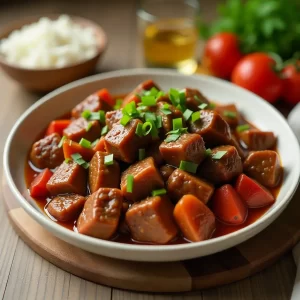

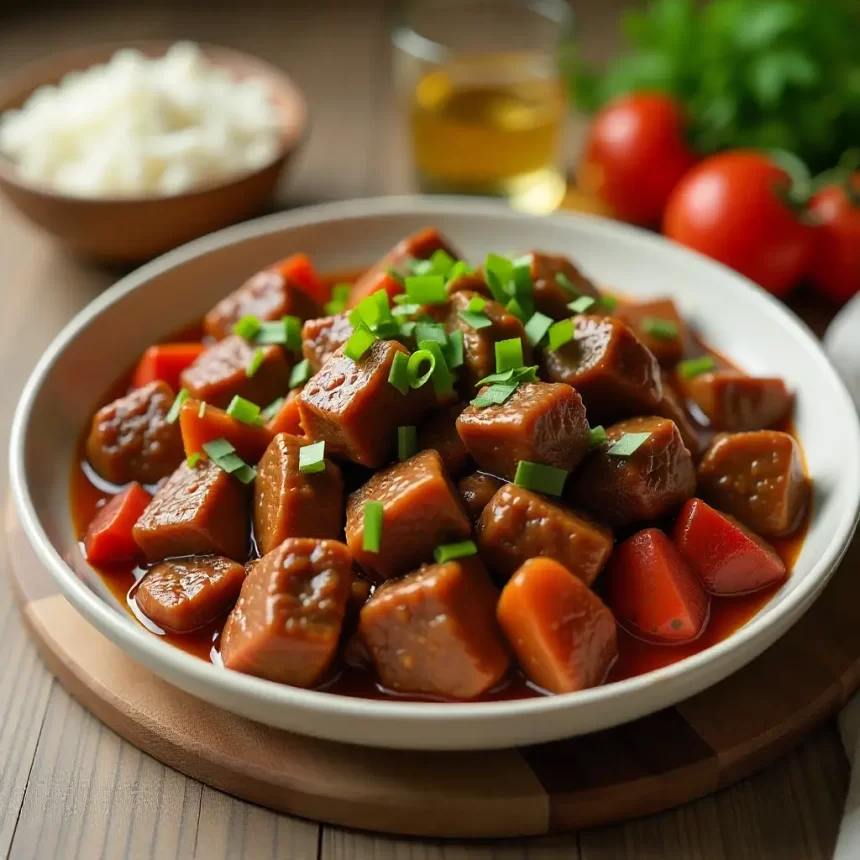
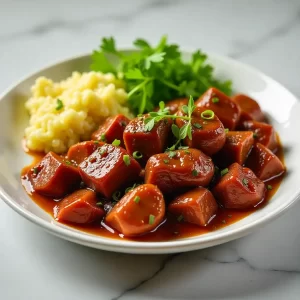
In the heart of Korean cuisine lies a dish that transcends mere sustenance, inviting diners into a rich tapestry of tradition, flavor, and warmth: galbijjim, the beloved beef short rib stew. More than just a meal, galbijjim is a celebration of patience and craftsmanship, where tender, melt-in-your-mouth ribs swim in a savory, subtly sweet broth, infused with fragrant spices and wholesome ingredients. From bustling city kitchens to tranquil family gatherings, this stew embodies the art of slow cooking and the spirit of Korean hospitality. Join us as we delve into the origins, techniques, and cultural significance of galbijjim, unveiling the secrets behind every sumptuous bite and why this hearty stew continues to captivate palates around the world.
Savoring Galbijjim invites you to immerse yourself in the luscious world of Korean beef short rib stew, a dish treasured for its rich flavors and tender melt-in-your-mouth texture. Rooted deeply in Korean culinary heritage,this stew showcases carefully selected beef ribs simmered with a harmonious blend of customary ingredients,resulting in an aromatic,comforting masterpiece. Whether you’re recreating a family dinner or exploring Korean cuisine for the first time, mastering this recipe will elevate your kitchen repertoire and delight every palate.
Prep and Cook Time
Readiness: 30 minutes
Marinating: 4 hours (recommended for best flavor)
Cooking: 2 to 2.5 hours
Yield
Serves 6 generous portions
Difficulty Level
Medium – Ideal for those cozy with simmering techniques and multitasking in the kitchen
Ingredients
- 3 lbs Korean beef short ribs (flanken cut, cross-cut thru the bone)
- 1 large yellow onion, peeled and quartered
- 5 cloves garlic, minced
- 3-inch piece fresh ginger, sliced thinly
- 1 medium carrot, cut into chunks
- 2 medium potatoes, peeled and halved
- 4 dried jujubes (Korean red dates), optional for a hint of natural sweetness
- 4 cups water
- ½ cup soy sauce (preferably Korean soy sauce)
- 2 tbsp brown sugar
- 2 tbsp rice wine (mirin or Korean cooking wine)
- 2 tbsp sesame oil
- 1 tbsp Korean chili flakes (gochugaru) – optional, for subtle warmth
- 1 tsp black pepper
- 2 stalks green onions, chopped for garnish
- 1 tbsp toasted sesame seeds for garnish
Instructions
- Prepare the ribs: Rinse the short ribs under cold water to remove excess blood and impurities. Soak them in cold water for 30 minutes, changing the water once or twice. This step ensures a clean, pure flavor.
- Marinate the beef: In a large bowl, combine soy sauce, brown sugar, rice wine, minced garlic, sliced ginger, sesame oil, and black pepper. Add the short ribs and toss thoroughly to coat.cover and refrigerate for at least 4 hours,preferably overnight to allow deep flavor penetration.
- Sear the ribs: Heat a large heavy-bottomed pot over medium heat. Remove ribs from marinade, reserving the liquid.Sear the ribs until golden brown on all sides, about 3-4 minutes per side, enhancing flavor through caramelization. Work in batches if necessary.
- Build the stew: Return all seared ribs to the pot. Add the reserved marinade, 4 cups of water, quartered onion, carrot chunks, potatoes, and dried jujubes (if using). Bring to a gentle boil over medium-high heat, then reduce to a low simmer.
- Simmer slowly: Cover the pot partially and let it simmer for 2 to 2.5 hours. During cooking, skim off any foam or excess fat from the surface every 30 minutes to keep the broth clear and flavorful. The slow simmer helps break down connective tissues, ensuring tender, juicy meat.
- check seasoning and texture: Taste the broth midway and adjust salt or sugar if needed. When ribs are fork-tender and vegetables soft, turn off heat.
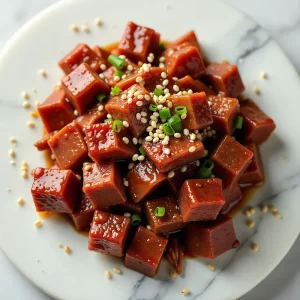
- Garnish and serve: Transfer the stew to a large serving bowl. Garnish generously with chopped green onions and toasted sesame seeds. Optional: drizzle a few drops of sesame oil to finish.
Tips for Success
- Beef selection: Choose “flanken cut” or cross-cut ribs for their balanced meat-to-bone ratio and quicker cooking. These cuts showcase the rich marrow and connective tissues essential for authentic galbijjim.
- Marinating longer improves flavor: Overnight marination is ideal, but a minimum of 4 hours also infuses complexity.
- Skim diligently: Removing foam during simmering will result in a clearer broth and cleaner taste.
- Make ahead: Galbijjim tastes even better the next day once flavors meld. Reheat gently on low.
- Vegetable variations: Substitute or add shiitake mushrooms, chestnuts, or edamame for added texture and cultural touches.
- Spice it up: For an authentic kick, add a small handful of Korean chili flakes (gochugaru) to the marinade or during simmering.
Serving Suggestions
present your stew in a rustic earthenware pot or a deep ceramic bowl to retain heat and highlight the comforting nature of this dish. Serve alongside steamed white rice or Korean sticky rice to soak up the flavorful broth. For freshness and contrast, accompany with classic Korean banchan such as kimchi, seasoned spinach (sigeumchi namul), or lightly pickled radish.Garnish with vibrant green scallions and a sprinkle of toasted sesame seeds to provide visual appeal and an inviting aroma.
Consider pairing Savoring Galbijjim with a chilled glass of Korean barley tea (bori-cha) or a dry Riesling to complement the sweet and savory depth of the stew.
| Nutritional Info (per serving) | Amount |
|---|---|
| Calories | 480 kcal |
| Protein | 35 g |
| Carbohydrates | 25 g |
| Fat | 28 g |
Q&A
Q&A: Savoring Galbijjim – The Art of Korean Beef Short Rib Stew
Q1: What exactly is Galbijjim?
A1: Galbijjim (갈비찜) is a beloved Korean stew featuring tender braised beef short ribs simmered to perfection. The dish melds rich, savory flavors with subtly sweet undertones, creating a comforting, melt-in-your-mouth experience. Traditionally enjoyed on special occasions, Galbijjim showcases Korea’s mastery of slow-cooked, soulful cuisine.
Q2: What makes Galbijjim different from other beef stews?
A2: unlike many Western stews that rely heavily on thick, dense broths, Galbijjim boasts a clear yet deeply flavorful sauce infused with soy sauce, garlic, ginger, and sugar or honey. The beef ribs are painstakingly simmered until the meat is fall-off-the-bone tender, absorbing the aromatic marinade. The dish often incorporates a medley of vegetables like Korean radish,chestnuts,jujubes,and carrots,adding layers of texture and subtle sweetness.
Q3: How is Galbijjim traditionally prepared?
A3: Preparation begins by blanching the beef short ribs to remove impurities, a step key to a clean-tasting broth. The ribs are then marinated in a blend of soy sauce, garlic, ginger, sesame oil, and sugar. After that, the ribs simmer gently with vegetables for several hours, softly releasing their flavors. A hallmark of authentic Galbijjim is the patient, slow-cooking process-this deliberate art turns tough cuts into luxurious bites dripping with umami.
Q4: Are there regional variations of Galbijjim?
A4: Certainly! While the base method remains consistent, southern Korean versions tend to incorporate spicier elements like gochujang (red chili paste) or chili flakes, giving the stew a fiery kick. northern counterparts may lean sweeter and milder. Additionally, some regions use Korean pine nuts or add chestnuts and ginkgo nuts for festive flair. Each variation offers a unique glimpse into the local palate and culinary customs.
Q5: What are some tips for making the perfect Galbijjim at home?
A5: First, pick good quality beef short ribs with a nice meat-to-bone ratio. Don’t rush the blanching step-it’s essential for clarity. When simmering,keep the heat low and be patient; the magic lies in slow cooking.Balancing the sauce’s saltiness with a touch of sweetness and ensuring the vegetables are tender but not mushy will elevate your dish. garnish with toasted sesame seeds and chopped scallions for that authentic finishing touch.
Q6: How is Galbijjim traditionally served and enjoyed?
A6: Galbijjim is typically served as a centerpiece dish during Korean holidays or family gatherings, accompanied by bowls of steamed rice and an assortment of banchan (side dishes). Its rich, aromatic broth pairs beautifully with crisp kimchi and fresh greens. Eating Galbijjim is as much about savoring the tender meat as it is about sharing warmth and conversation around the table-a true culinary celebration.
Q7: Why has Galbijjim endured as a staple in Korean cuisine?
A7: Galbijjim embodies more than just flavor; it’s a symbol of Korean heritage, community, and the reverence for heartfelt cooking. The dish transforms humble short ribs into a luxurious feast through patience and skill. Its comforting taste evokes nostalgia and connection, making it a timeless classic that bridges generations and cultures alike.
Embrace your inner chef and dive into the soulful craft of Galbijjim-the Korean beef short rib stew that tells a story with every tender bite.
To Wrap It Up
as the steam rises from a hearty bowl of galbijjim,it carries more than just the rich aroma of tender beef and savory broth-it carries centuries of Korean tradition,warmth,and communal spirit. Savoring galbijjim is not merely a culinary experience; it is an invitation to slow down, appreciate the delicate balance of flavors, and connect with a culture that honors both patience and passion in its cooking.Whether enjoyed during festive celebrations or quiet family dinners, this beloved stew reminds us that true art lies in the harmony of ingredients, time, and heart. So next time you cradle that bowl, remember: you’re not just tasting beef short ribs-you’re embracing a story simmered to perfection.