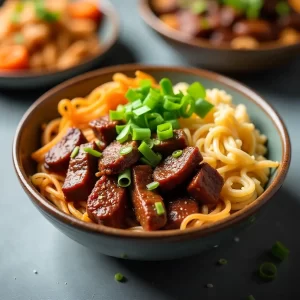

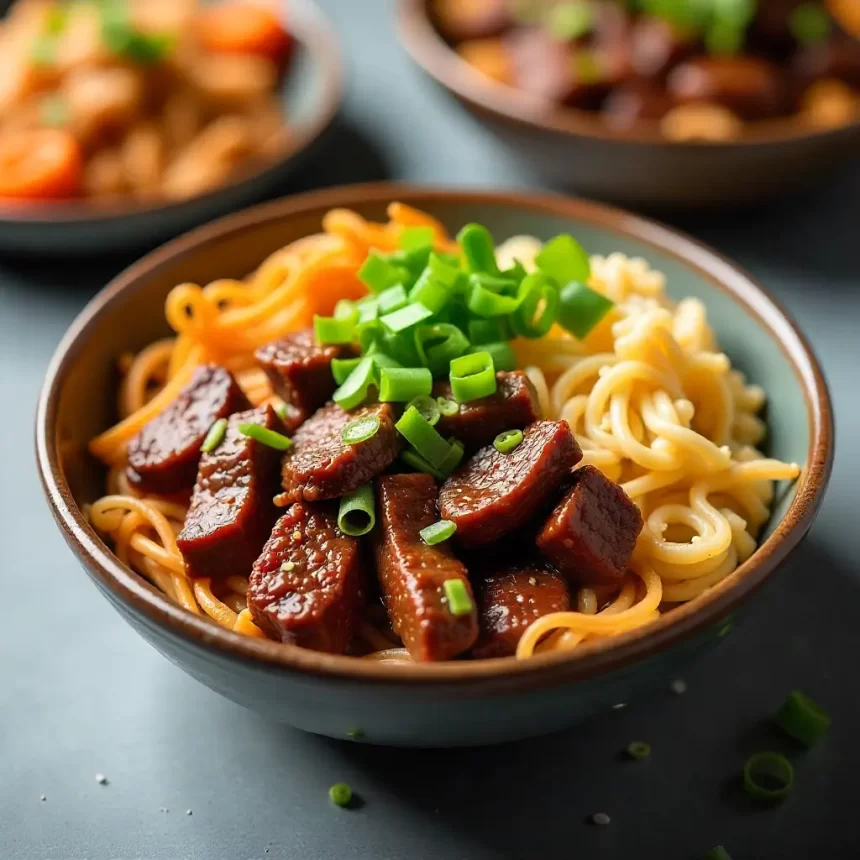
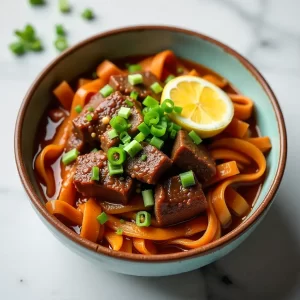
Theres a magic in the sizzle of marinated beef hitting a hot grill, a melody of sweet, savory, and smoky notes that dance on your palate with every bite. Welcome to the vibrant world of Korean beef bulgogi bowls-a dish that transcends simple nourishment to become a celebration of flavor,tradition,and comfort. In this ultimate guide, we’ll take you on a mouthwatering journey through the origins of bulgogi, masterful marinating secrets, and the art of assembling the perfect bowl that balances tender beef, fresh vegetables, and bold sauces. Whether you’re a seasoned foodie or a curious newcomer, get ready to savor every delicious detail of this iconic Korean favorite.
Choosing the perfect Cut: Unlocking the Best Beef for Bulgogi
Savor the Flavor begins with selecting the ideal beef cut to ensure your bulgogi bowls deliver tender, juicy, and richly flavored bites every time. traditionally, thinly sliced ribeye or sirloin are prized for their marbling and tenderness, which soak up the marinade effortlessly while maintaining a juicy texture. These cuts allow the beef to caramelize beautifully over high heat, creating those signature crispy edges bursting with umami.
For budget-kind options,chuck eye roll or brisket work well when sliced paper-thin,though they benefit from a slightly longer marinating time to tenderize. If you’re feeling adventurous,short ribs cut into thin strips can also provide a hearty,deeper beef flavor that elevates the dish’s rustic appeal.
Marinating Magic: Crafting the Authentic Bulgogi Sauce
Infuse your beef with explosive Korean flavors by creating a marinade that balances sweet, savory, and slightly smoky notes. The magic lies in the harmonious blend of soy sauce, brown sugar, garlic, and toasted sesame oil, enhanced with a pinch of asian pear puree or grated apple to tenderize the meat naturally. ginger adds a warm, zesty undertone, while a splash of rice wine or mirin contributes a delicate sweetness and depth.
The marinade not only amps up flavor but also creates that glossy, mouthwatering sheen once the beef hits the pan. For best results, refrigerate the marinating beef for at least one hour-though overnight unlocks optimal tenderness and flavor penetration.
Building the Bowl: Essential Ingredients and Flavor Combinations
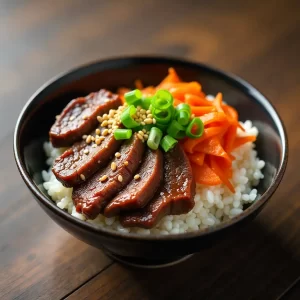
Building your bulgogi bowl is an exciting way to layer textures and vivid colors alongside the seasoned beef. Begin with a base of steamed short-grain rice, prized for it’s sticky, slightly chewy consistency that cradles the beef beautifully. Add crisp, fresh components like julienned carrots, cucumber ribbons, and shredded Napa cabbage for contrast.
To deepen your flavor palette, include pickled kimchi and a drizzle of gochujang sauce to introduce spice and acidity, cutting through the richness of the beef. Roasted sesame seeds and thinly sliced scallions add an earthy, fragrant crunch, while a soft fried egg on top provides richness and a luxurious silkiness when broken into the bowl.
Serving Suggestions and Pairings to Elevate your Bulgogi Experience
Serve your bulgogi bowl with a side of steamed or sautéed greens such as spinach or bok choy, lightly seasoned with garlic and sesame oil to complement the beef’s sweetness. A small dish of salted edamame adds a refreshing balance, while a chilled glass of dry Korean rice wine (makgeolli) or a crisp lager pairs beautifully with the bold flavors.
For a finishing touch, garnish with a sprinkle of toasted black sesame seeds and fresh cilantro or microgreens to add a vibrant pop of color and fresh aroma, ensuring each bite is as beautiful as it is indeed delicious.
Prep and Cook Time
- Readiness: 20 minutes
- Marinating: 1 to 12 hours (overnight preferred)
- Cooking: 8-10 minutes
- Total Time: Approximately 1 hour 30 minutes (or overnight marinating)
Yield
Serves 4 hearty portions
Difficulty level
Medium – approachable for home cooks ready to master an iconic Korean dish.
Ingredients
- 1 lb thinly sliced ribeye or sirloin beef
- 3 tbsp soy sauce
- 2 tbsp brown sugar
- 2 tbsp grated Asian pear or apple
- 1 tbsp toasted sesame oil
- 4 cloves garlic, minced
- 1 tsp freshly grated ginger
- 1 tbsp rice wine or mirin
- 1/2 tsp freshly cracked black pepper
- 1 small onion, thinly sliced
- 2 scallions, thinly sliced
- 1 cup cooked short-grain rice
- 1/2 cup julienned carrots
- 1/2 cup shredded Napa cabbage
- Kimchi, to taste
- Gochujang sauce, for drizzling
- Toasted sesame seeds, for garnish
- 1 soft fried egg (optional)
Instructions
- Prepare the marinade: in a medium bowl, whisk together soy sauce, brown sugar, grated pear, sesame oil, garlic, ginger, rice wine, and black pepper until the sugar dissolves.
- Marinate the beef: Add the thinly sliced beef and onion to the marinade, tossing to coat thoroughly. Cover and refrigerate for at least 1 hour, ideally overnight for best tenderization.
- Cook the beef: Heat a large skillet or cast-iron pan over medium-high heat. Add the marinated beef and onions,spreading it out in a single layer. Sauté until the beef is browned and caramelized, about 5-7 minutes, stirring occasionally for even cooking.
- Prepare the bowl base: Portion steamed rice into serving bowls. Arrange the julienned carrots, Napa cabbage, kimchi, and scallions around the rice for a colorful presentation.
- Assemble the bowl: Spoon the hot bulgogi beef over the rice. Drizzle with gochujang sauce and sprinkle toasted sesame seeds on top.
- Optional finishing touch: Top each bowl with a soft fried egg to add richness and a creamy texture when broken.
chef’s notes / tips for Success
- Marinating time: Don’t rush the marinade; longer resting times up to overnight create deeper flavor and tenderness.
- Slicing beef: For effortless slicing, freeze the beef slightly for 20-30 minutes beforehand to achieve ultra-thin, uniform slices.
- Vegetarian twist: Swap beef for thinly sliced shiitake mushrooms or tempeh; marinate and cook as directed for a vegan-friendly bowl.
- Storage: Leftover bulgogi keeps well in the fridge for up to 3 days. Reheat gently to preserve juiciness.
- Spice level: Adjust gochujang and add fresh chili flakes if you prefer more heat, or balance it with a drizzle of honey to mellow.
serving Suggestions
Encourage guests to mix all components for a medley of textures and flavors. Serve alongside crisp pickled radishes or Korean-style fermented veggies for additional brightness. A side of steamed garlic bok choy or sesame spinach salad makes for an elegant,balanced meal.
Garnish ideas: Finish with fresh cilantro, extra scallions, or a sprinkle of toasted seaweed flakes for earthiness and visual appeal.
| Nutrient | Per Serving |
|---|---|
| Calories | 420 |
| protein | 36g |
| Carbohydrates | 45g |
| Fat | 12g |
Learn more about authentic korean kimchi recipes to complement your bulgogi bowls and explore diverse Korean flavors. for an insightful background on the science behind marinating meat,visit Serious Eats’ guide to marinating.
Q&A
Q&A: Savor the Flavor – Ultimate Guide to Korean Beef Bulgogi Bowls
Q1: What exactly is Korean Beef Bulgogi?
A: Bulgogi, which translates to “fire meat,” is a classic Korean dish featuring thinly sliced beef marinated in a harmonious blend of sweet, savory, and smoky flavors. Traditionally grilled over an open flame, the beef is tender, juicy, and packed with delightful umami notes-making it the perfect centerpiece for a bowl meal.
Q2: What makes a Bulgogi bowl “ultimate”?
A: The “ultimate” Bulgogi bowl balances the vibrant flavors of marinated beef with textures and colors that excite the senses. Beyond just beef and rice, it includes fresh veggies, crunchy kimchi, creamy avocado, a drizzle of spicy sauce, and a sprinkle of toasted sesame seeds or scallions. It’s a bowl that captures the essence of Korean street food with a gourmet twist.
Q3: How do you achieve the perfect Bulgogi marinade?
A: The secret lies in harmony: soy sauce provides savory depth; sugar or honey adds sweetness; garlic and ginger bring warmth; sesame oil infuses nuttiness; and pear or apple juice tenderizes the beef while adding subtle fruity notes. Balance is key-too much sugar can overpower, too little won’t caramelize beautifully.
Q4: Can Bulgogi bowls be customized for different dietary preferences?
A: Absolutely! While conventional Bulgogi uses beef, you can swap in thinly sliced chicken, pork, or even tofu for vegetarians. Gluten-free variations can be made by using tamari rather of soy sauce. Load up on seasonal veggies or add a fried egg on top for extra richness-the bowl’s flexibility is part of its appeal.
Q5: What sides and toppings elevate the Bulgogi bowl experience?
A: pickled and fermented sides like kimchi and radish add tangy crunch, offsetting the savory beef. Fresh cucumber juliennes or shredded carrots bring brightness. A dollop of Korean gochujang (red chili paste) adds heat and complexity. finishing with toasted sesame seeds and thinly sliced scallions adds aroma and texture.Q6: how should Bulgogi bowls be served for an authentic experience?
A: Serve your bulgogi hot and fresh, layering beef over warm steamed rice. arrange colorful veggies around the bowl for visual appeal. Encourage diners to mix it all together with a spoon or chopsticks, savoring each bite that marries smoky-sweet beef with fresh, spicy, and crunchy accents.
Q7: What makes Korean Beef Bulgogi bowls stand out from other bowl meals?
A: Bulgogi bowls epitomize the Korean culinary knack for layering bold flavors with contrasting textures. Unlike simpler meat-and-rice combos, these bowls tantalize with their balance of sweet, salty, spicy, and sour flavors, all enhanced by traditional fermentation and fresh garnishes. It’s a bowl that tells a story-of tradition, innovation, and pure deliciousness.Q8: Were can beginners find authentic Korean ingredients for their Bulgogi bowls?
A: Many Asian grocery stores stock essentials like gochujang, sesame oil, soy sauce, and kimchi. Online specialty shops and Korean markets offer fresh cuts of beef ideal for bulgogi.Don’t hesitate to experiment-fresh pear or apple juice, garlic, and ginger are everyday items that make all the difference when combined.
Q9: Any tips for cooking Bulgogi beef at home without a grill?
A: No grill? No problem. Use a hot cast-iron skillet or a nonstick pan to sear the marinated beef quickly, stirring frequently to caramelize the edges without overcooking. Cooking over high heat in small batches ensures that tender, slightly charred texture reminiscent of traditional fire grilling.
Q10: Why should everyone try making Korean Beef Bulgogi bowls?
A: As it’s more than a meal-it’s an experience. Bulgogi bowls invite you into a world where flavor, culture, and comfort converge in one vibrant dish. Whether for a quick weeknight dinner or an impressive meal to share,mastering this bowl delivers a delicious taste of Korea right to your table. Savor the flavor and celebrate the magic of bulgogi!
the Conclusion
As you’ve discovered,the magic of Korean Beef Bulgogi Bowls lies not just in their bold,savory flavors but in the harmonious blend of textures and ingredients that bring each bite to life. Whether you’re a seasoned cook or a curious foodie, this ultimate guide has unraveled the secrets behind crafting a dish that’s as nourishing as it is delicious. So go ahead-immerse yourself in the sizzle of marinated beef, the freshness of crisp vegetables, and the comforting warmth of steamed rice. Savor every mouthful, and let your culinary journey into Korean cuisine open the door to a world where tradition meets taste in every bowl.Your next favorite meal awaits!