
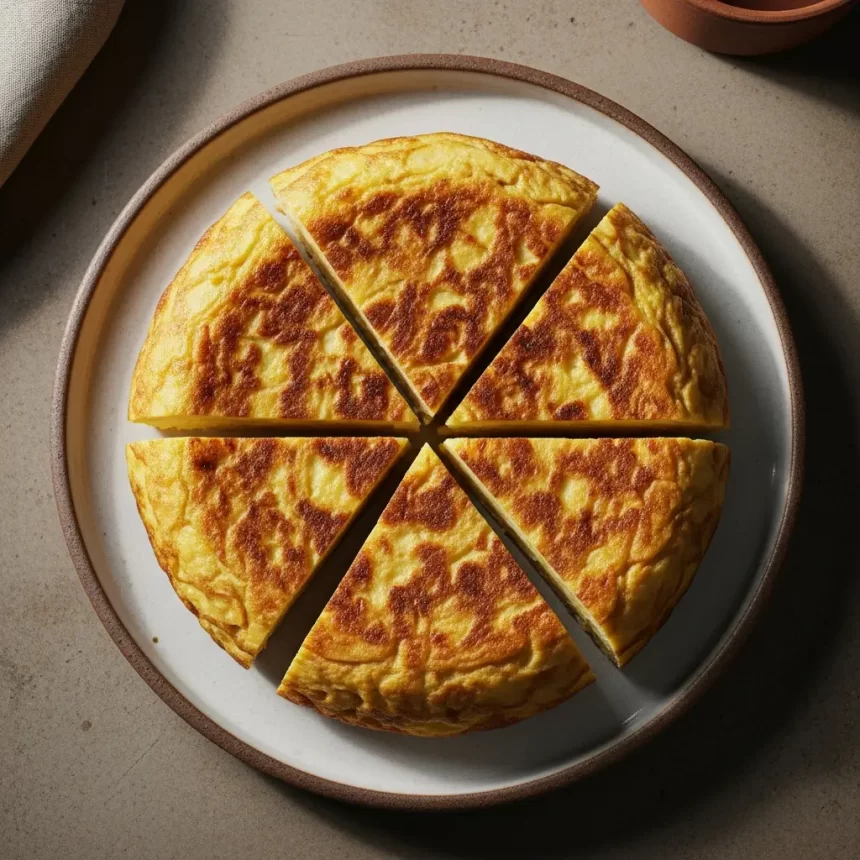
There’s a dish that captures the heart of Spanish cuisine in every golden, tender slice-a humble yet iconic creation known as the Spanish tortilla, or tortilla de patatas. More than just an omelette, this classic potato and onion masterpiece weaves simplicity with tradition, transforming everyday ingredients into a dish that’s both comfort food and cultural emblem. In this guide, we’ll peel back the layers of history, technique, and flavor to show you how to master the art of the classic Spanish tortilla, turning your kitchen into a vibrant corner of Spain. Whether you’re a curious foodie or a seasoned cook,prepare to discover why this easy-to-make,satisfying dish has stood the test of time.
The Classic Spanish Tortilla: Potato & Onion Omelette Guide invites you to savor a beloved Spanish staple that embodies simplicity,comfort,and timeless flavor. This iconic dish, born in the kitchens of Spain, combines humble ingredients-potatoes, onions, and eggs-into a golden, tender masterpiece. Its rustic charm and satisfying texture have made it a favorite across generations,and mastering its technique is truly a culinary delight. Let’s explore the essentials that bring authenticity and elevate every bite.
Prep and Cook Time
- Preparation: 15 minutes
- Cooking: 30 minutes
- Total Time: 45 minutes
Yield
- Serves 4 to 6 people
Difficulty level
- medium - perfect for intermediate cooks eager to master classic technique
Ingredients That Bring Authenticity to Your Spanish Tortilla
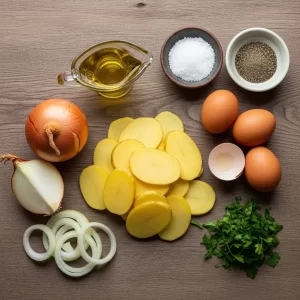
- 4 medium Yukon Gold potatoes, peeled and thinly sliced (uniform thickness for even cooking)
- 1 large sweet onion, finely sliced into half-moons
- 6 large free-range eggs, gently beaten
- 1 cup extra virgin olive oil (for frying – adds richness and authentic flavor)
- 1 teaspoon fine sea salt, plus extra to taste
- Freshly ground black pepper, to taste
- An optional handful of chopped fresh parsley for garnish
Mastering the Art of Cooking Potatoes and Onions to Perfection
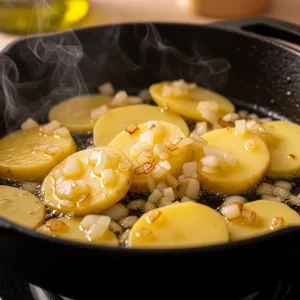
- Warm the olive oil gently in a wide, non-stick skillet over medium heat.patience is key-too hot oil will crisp rather than soften the potatoes.
- Add your sliced potatoes along with the onions and a pinch of salt. Stir gently to coat all pieces evenly in oil.
- Sauté for about 15-20 minutes, adjusting heat to maintain a steady simmer-this slow poaching method allows the potatoes to cook through without browning. Stir every few minutes, taking care not to break the slices.
- Once the potatoes and onions are soft, tender, and semi-translucent, use a slotted spoon to transfer them to a large bowl, draining excess oil for a lighter finish.
Tips for Achieving the Ideal Texture and Golden Color
- Beat the eggs lightly, seasoning them with salt and pepper. Pour the eggs over the warm potato and onion mixture,folding gently but thoroughly to combine.
- Wipe the skillet clean and heat a tablespoon of olive oil over medium. Pour the egg mixture evenly into the pan, spreading to the edges.
- Cook undisturbed for about 5-7 minutes, until the edges are set and you see the bottom develop a beautiful golden crust.
- To flip, slide the tortilla onto a large flat plate, invert the skillet over it, then flip it back into the pan to cook the other side for an additional 4 minutes. This flipping technique creates the signature even golden color on both sides.
- Finish by letting it rest for a few minutes to allow the center to set perfectly-creamy yet firm.
Creative Variations to Elevate Your Traditional Spanish Omelette
- Herb Infusion: Add finely chopped rosemary or thyme to the egg mixture for a fragrant twist.
- cheese Addition: Melted Manchego or a sharp cheddar incorporated just before the last flip adds richness and complexity.
- Vegetable boost: Toss in sautéed red bell peppers, zucchini, or spinach to bring vibrant colors and extra nutrients.
- Spicy Kick: A sprinkle of smoked paprika or red chili flakes layers a subtle warmth beneath the classic flavors.
Chef’s Notes and Tips for Success
- Use Yukon Gold potatoes for their creamy texture and natural sweetness, avoiding waxy varieties that won’t soften well.
- Maintain low to medium heat during frying to gently poach rather than fry hard-the goal is tender, not crispy, potatoes.
- Drain excess oil carefully; reserve it for your next sauté to enrich other dishes.
- If your skillet isn’t non-stick, use a thin layer of olive oil and consider a flexible spatula to prevent sticking.
- For make-ahead convenience, prepare the potato-onion base in advance and refrigerate, adding eggs just before cooking.
Serving Suggestions
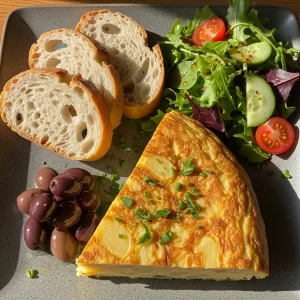
Slice this golden spanish tortilla into wedges, serving warm or at room temperature for optimal flavor. Garnish with a sprinkling of fresh parsley or a drizzle of chilled extra virgin olive oil. Pair it with a crisp green salad, marinated olives, and a glass of chilled Spanish white wine or a robust Rioja for an authentic tapas experience. Leftovers make excellent bites for picnics or brunch, served alongside crusty bread and tomato spread.
| Nutrient | Per Serving |
|---|---|
| Calories | 280 kcal |
| Protein | 12 g |
| Carbohydrates | 20 g |
| Fat | 18 g |
For deeper cultural and culinary insights into Spain’s rich food traditions, visit Spanish Food Guide.Also,explore our collection of authentic spanish tapas recipes to complement your tortilla perfectly.
Q&A
Q&A: The Classic Spanish Tortilla – Potato & Onion Omelette Guide
Q1: What exactly is a Spanish tortilla?
A1: Unlike what some might assume, the Spanish tortilla isn’t your typical French omelette folded with cheese or ham. It’s a hearty, golden omelette made primarily from tender potatoes and sweet onions, all lovingly cooked in olive oil and bound together with eggs. Think of it as Spain’s humble yet soul-satisfying ode to simple ingredients.
Q2: why is the Spanish tortilla so beloved in spain?
A2: Beyond its delicious taste, the Spanish tortilla is a culinary icon. It’s found in every home,tapas bar,and picnic basket. It embodies comfort, tradition, and versatility – enjoyed warm, at room temperature, or even cold. It’s the edible equivalent of a big, warm hug from Spanish culture itself.
Q3: What kind of potatoes should I use?
A3: Starchy potatoes like Yukon Gold or even a classic Russet work wonderfully. They break down just enough to meld with the eggs yet hold their shape enough to create that luscious, creamy texture inside the tortilla.
Q4: How important is the onion? Can I skip it?
A4: While variations exist, the onion is practically the soul mate of the potato in this dish. It adds a gentle sweetness and moisture that balances the richness.Skipping it is possible, but expect a less rounded flavor profile.
Q5: What’s the secret to perfectly cooked potatoes and onions?
A5: Patience is key.The potatoes and onions should be gently cooked in plenty of olive oil over medium-low heat. The goal isn’t to fry them crisp but to soften and almost stew in the oil until meltingly tender. This slow cooking coax flavors that a quick sauté could never achieve.
Q6: How do you achieve that signature golden crust without burning?
A6: Once your egg mixture envelops the potatoes and onions in the pan, cook on moderate heat to set the bottom gently. Then, with a careful flip - traditionally aided by a plate - cook the other side until it’s golden, about 3-4 minutes each side. Control of heat and a confident flip = perfect crust.
Q7: Can I add other ingredients?
A7: Absolutely! While the classic calls for just potato, onion, eggs, salt, and olive oil, many love to experiment with chorizo, peppers, spinach, or herbs. But remember,the beauty lies in simplicity – less is frequently enough more.Q8: How is the Spanish tortilla best served?
A8: Any time! Warm from the pan,slightly cooled,or cold the next day – it’s superb. traditionally, it’s sliced into wedges and enjoyed with bread or as tapas alongside a glass of red wine or a crisp beer.
Q9: Any tips for making it vegan or egg-free?
A9: The egg is the binder, so replicating the exact texture is tricky. Aquafaba or chickpea flour mixtures can be experimented with, but the classic tortilla’s soul is tied to eggs. For a vegan take, consider a potato-onion frittata-style bake using chickpea flour as the base.
Q10: Why should I try making a Spanish tortilla at home?
A10: Because it’s a delicious lesson in humble ingredients transformed into culinary gold. The process teaches patience,respect for simplicity,and rewards you with a dish that’s as extraordinary as it is comforting. Plus, mastering it opens the door to countless variations-making it a kitchen staple you’ll revisit again and again.
Dive in, embrace the sizzle, and enjoy the timeless magic of the classic Spanish tortilla!
Key Takeaways
As the golden edges of your spanish tortilla settle and the rich aroma of caramelized onions and tender potatoes fills your kitchen, you’ve not only crafted a beloved dish but also connected with centuries of Spanish culinary tradition. This humble yet hearty omelette transcends mere comfort food; it’s a festivity of simple ingredients elevated through careful technique and a touch of patience. Whether enjoyed warm for breakfast, sliced and shared at a lively tapas gathering, or savored cold on a summer afternoon, the classic Spanish tortilla invites you to slow down and appreciate the art of everyday cooking. So next time you gather your potatoes and onions, remember: you’re not just making an omelette-you’re creating a timeless taste of Spain.