

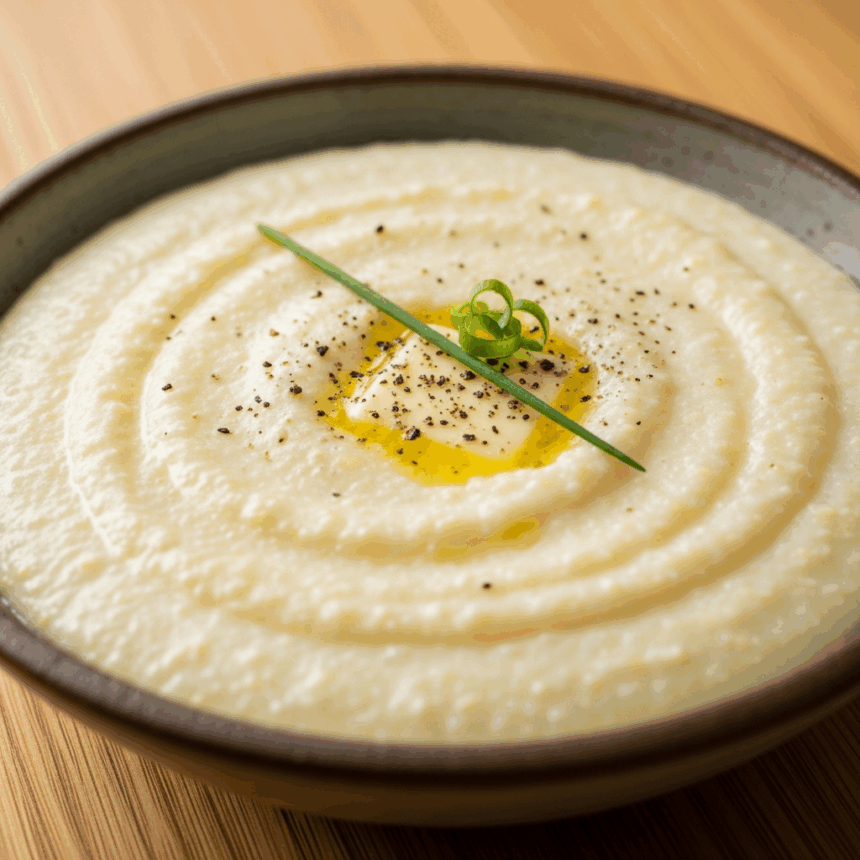
There’s something undeniably comforting about a warm bowl of creamy grits-each spoonful a rich, velvety celebration of Southern tradition. Yet, for many cooks, achieving that perfectly smooth texture can be a slippery endeavor, with lumps threatening to disrupt the creamy dream. Fear not, grit lovers! In this article, we’ll navigate the art and science behind mastering lump-free, luscious grits every time. From choosing the right grits to mastering the stirring technique, prepare to set sail on a culinary journey toward the silkiest, most satisfying grits your palate has ever known. Smooth sailing starts here!
Smooth Sailing: Mastering Lump-Free Creamy Grits Every Time
Smooth sailing with grits begins the moment you understand the delicate alchemy behind their velvety texture and luscious consistency. As a beloved Southern staple, grits boast a rich heritage tracing back centuries, offering comfort in every spoonful. Perfectly creamy grits are more than just ground corn-they’re a symphony of chemistry, technique, and passion coming together to create a dish that’s both humble and extraordinary.
Prep and Cook Time
- Readiness: 5 minutes
- Cooking: 25-30 minutes
- total Time: 30-35 minutes
Yield
Serves 4 hearty portions
Difficulty Level
Easy to Medium
Ingredients
- 1 cup stone-ground grits
- 4 cups low-sodium chicken broth (or water for a neutral base)
- 1 cup whole milk or half-and-half
- 3 tablespoons unsalted butter
- 1 teaspoon kosher salt, adjust to taste
- ½ teaspoon freshly ground black pepper
- ½ cup sharp white cheddar cheese, shredded (optional)
- 1 teaspoon garlic powder or minced fresh garlic (optional)
Understanding the Science Behind Grits Texture and Consistency
At the heart of smooth sailing with creamy grits is the balance of grits particle size and hydration. Stone-ground grits retain their natural coarseness, boasting more fiber and flavor but requiring patient stirring to coax out silky smoothness. The starches in the grits absorb liquid gradually, swelling and releasing amylose and amylopectin molecules which help thicken and bind the mixture. This interaction is key to achieving dense creaminess without succumbing to lumpiness or gritiness.
Choosing the Right Grits and Liquid for Creamiest Results
For best success,opt for stone-ground grits over instant or swift-cooking varieties-these carry richer flavor and have superior textural potential. Using a combination of flavorful broth and whole milk (or cream) introduces both moisture and fat, key factors in silkiness. Broth imparts depth, while dairy softens the starch and prevents clumping. Avoid cold liquids to prevent shocking the grains, which can cause lumps.
Step by Step Techniques to Whisk Away Lumps and Achieve Silky Grits
- Bring your liquid base to a gentle boil. Gradually add grits in a slow,steady stream while continuously whisking. This keeps the starches dispersed evenly.
- Reduce heat to low. Stir frequently with a wooden spoon or heat-resistant silicone spatula to prevent sticking; never leave unattended.
- incorporate the butter and salt early. Butter coats starch molecules creating a barrier that keeps lumps at bay and enhances smoothness.
- Add warm milk or cream halfway through cooking. Tempered dairy helps maintain fluidity and richness without curdling or forming clumps.
- Finish with cheese or seasoning at the end, folding gently until melted and integrated for boost of flavor and creaminess.
Expert Tips and Flavor Twists to Elevate Your Creamy Grits Experience
- Whisk vigorously during the initial cooking stage for lump prevention, then switch to gentle stirring as the grits thicken.
- For a luxurious texture, stir in a splash of heavy cream or mascarpone cheese just before serving.
- Boost umami by finishing with crisped bacon, sautéed mushrooms, or caramelized onions.
- Try adding a pinch of smoked paprika or cayenne for a smoky heat twist.
- Make ahead: Cool grits in a greased dish, then reheat with a splash of milk and a brisk whisk to revive creaminess.
- For dairy-free options, swap milk with coconut milk or almond milk enriched with a tablespoon of coconut oil for richness.
Instructions
- Heat the broth in a medium saucepan over medium heat until it begins to simmer gently. Avoid boiling vigorously to maintain steady cooking.
- Slowly pour in the stone-ground grits in a thin stream while whisking constantly to prevent clumping.
- Lower the heat to low and continue stirring frequently with a wooden spoon or silicone spatula to prevent the grits from sticking to the bottom.
- Add butter, salt, and pepper, stirring until the butter has melted completely and the mixture thickens (about 20 minutes).
- Warm your milk or half-and-half separately, then gradually whisk it into the grits for enhanced creaminess.
- Continue cooking and stirring for an additional 5-10 minutes, until the grits are tender and they reach a smooth, pudding-like texture.
- If using cheese and garlic, fold them in gently during the last 2 minutes and remove from heat instantly.
- Serve immediately topped with your favorite garnishes or flavor additions.
Chef’s Notes
- Adjust liquid ratios to your desired thickness: for ultra-creamy grits, increase milk/cream slightly.
- If lumps appear, vigorously whisk or run the mixture through a fine mesh sieve before reheating.
- Stone-ground grits can vary in coarseness; adjust cooking times accordingly to avoid undercooked grit bite.
- For a more rustic texture, do fewer stirs but expect slight graininess; for silkier results, stir more frequently.
- To keep grits warm without thickening too much, stir in a little extra warm broth or milk while covered on very low heat.
serving Suggestions
Elevate your creamy grits by pairing them with seared shrimp and a drizzle of zesty lemon butter for a classic Southern shrimp and grits experience. Or serve as a decadent side to braised short ribs, garnished with chopped chives and freshly cracked black pepper. For breakfast, top with a fried egg and crisp bacon, finishing with a sprinkle of smoked paprika. A dollop of herbed crème fraîche or a scattering of crisp fried shallots adds memorable contrast and pops of flavor.

Smooth Sailing: Mastering Lump-Free Creamy Grits Every Time
Nutritional Information
| Nutrient | per Serving |
|---|---|
| Calories | 210 kcal |
| Protein | 6g |
| Carbohydrates | 30g |
| Fat | 7g |
For more ways to elevate Southern classics, visit our Southern Cooking Basics guide. to delve deeper into the chemistry behind starch gelatinization, check out this detailed science resource.
Q&A
Q&A: Smooth Sailing – Mastering Lump-Free Creamy Grits Every Time
Q1: What’s the secret to perfectly smooth,creamy grits without any lumps?
A1: The key is patience and gentle attention. Start by slowly whisking your grits into boiling water or broth, adding them gradually rather than dumping in all at once. This helps prevent clumps from forming right from the get-go.Stirring constantly while cooking also breaks down any lumps before they get a chance to set.
Q2: Should I use water, milk, or stock to cook my grits for maximum creaminess?
A2: For silky grits that melt on your tongue, use a combination. Start with water or stock for cooking, then stir in milk or cream near the end of cooking for richness. The fat and sugars in milk add that luscious mouthfeel and depth of flavor that transforms grits from basic to brilliant.
Q3: Why do lumps keep forming no matter how much I stir?
A3: Lumps often sneak in if the grits aren’t evenly hydrated or if you add them too quickly. Also,using grits with irregular grind sizes can lead to uneven cooking. To outsmart these stubborn lumps, sift your grits or choose a finely ground variety, and always sprinkle them slowly into the boiling liquid with vigorous stirring.Q4: How long should I cook grits for that creamy, dreamy texture?
A4: Slow and steady wins this race. Most stone-ground or coarse grits need about 20-30 minutes to soften fully and release their creamy starches. Think of it as a gentle simmer that coaxes grits into a velvety consistency-rushing it with hot high flames or short cook times usually means gritty or lumpy results.
Q5: Are pre-cooked or instant grits a good shortcut to creaminess?
A5: Instant grits can offer convenience but often sacrifice texture and depth of flavor. they tend to be less creamy and more prone to clumping due to their processed nature. For true smooth sailing and that satisfying mouthfeel,stone-ground or regular ground grits are your best bet-even if they take a bit longer.Q6: can I make grits ahead of time and keep them creamy?
A6: Absolutely! Cook your grits fully, then stir in a little extra butter, cream, or milk before refrigerating them in an airtight container. When reheating, add more liquid slowly while warming over low heat and stir constantly. This refreshes their creamy texture and melts away any stubborn lumps.
Q7: Any final expert tips for grits that wow every single time?
A7: Keep it slow, keep it low, and keep stirring! Don’t rush the process-creaminess blossoms with time and gentle coaxing. Also, seasoning is vital: salt your cooking liquid generously to enhance natural corn sweetness, and finish with butter or cheese for that irresistible indulgence.Your grits will sing with flavor and texture every time.
With these tips in hand, lump-free creamy grits are no longer an elusive dream-they’re your brand-new kitchen reality. Smooth sailing indeed!
The way Forward
With these simple yet effective techniques in your culinary toolkit, achieving smooth, creamy, and lump-free grits is no longer a matter of chance but a guaranteed delight. whether you’re crafting a comforting breakfast or a savory side, mastering the art of perfectly cooked grits elevates every meal to new heights of deliciousness. So next time you stir your pot, remember: patience, the right tools, and a gentle hand are the keys to smooth sailing in your grits journey. Happy cooking, and may your grits always be creamy, dreamy, and utterly lump-free!