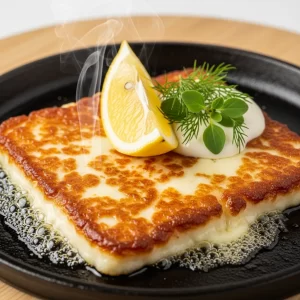

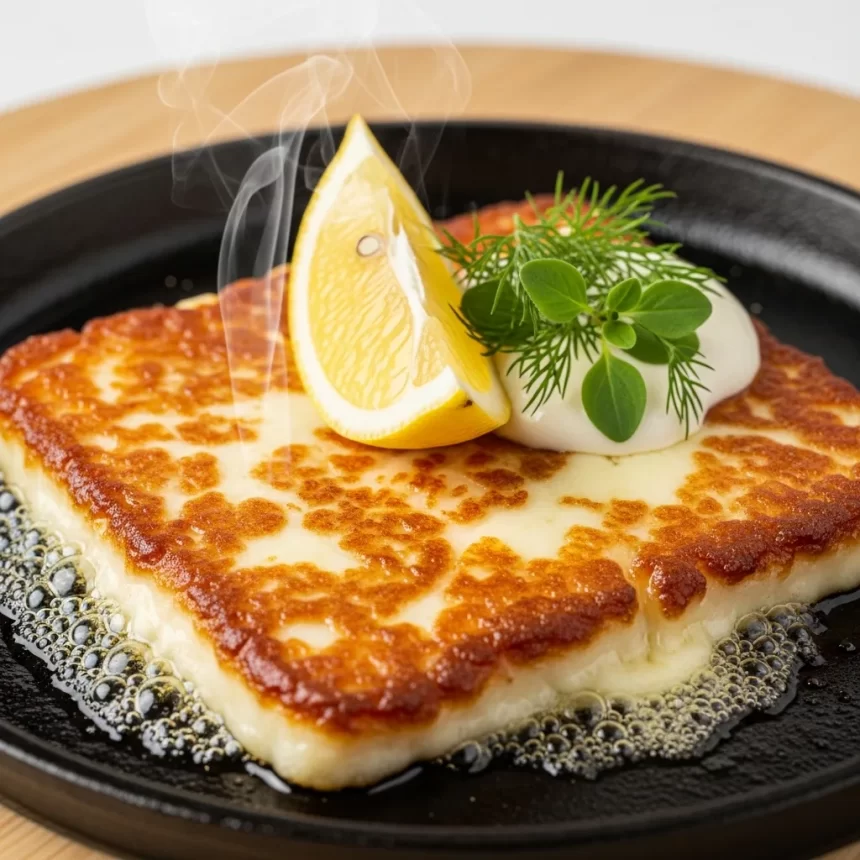
When it comes to iconic Greek cuisine, few dishes ignite the senses quite like saganaki-cheese transformed by fire into a bubbling, golden masterpiece that sizzles on the pan and dances tantalizingly on the tongue. This beloved appetizer, named after the small frying pans in which it’s lovingly prepared, embodies the heart of Greek culinary tradition: simple ingredients elevated through technique and passion. In this article, we dive into the art of pan-frying saganaki, exploring the types of cheese that achieve that perfect molten crust, the secrets to mastering the sizzling sear, and the cultural stories simmering beneath each flavorful bite. Join us as we uncover how this humble dish continues to captivate palates and bring people together, one crispy, gooey slice at a time.
Sizzling Saganaki is a beloved Greek appetizer that perfectly showcases the magic of pan-fried cheese. Originating from the vibrant streets of Athens, this dish combines the salty tang of customary cheese with a golden, crispy crust that sizzles as it meets the plate. The secret to an authentic and irresistible saganaki lies in choosing the perfect cheese and mastering the pan-frying technique – a culinary art that transforms simple ingredients into a sensory delight.
Prep and Cook Time
- Readiness Time: 10 minutes
- Cook Time: 5 minutes
- Total Time: 15 minutes
Yield
Serves 2-3 as a shared appetizer
Difficulty Level
Easy
Ingredients
- 200g Kasseri cheese (firm, semi-hard Greek cheese ideal for saganaki)
- 1/3 cup all-purpose flour, sifted
- 2 tbsp olive oil (extra virgin for rich flavour)
- 1 lemon, cut into wedges
- Fresh oregano for garnish
- Optional: a handful of chopped fresh parsley
Instructions
- Prepare the cheese: Cut the Kasseri into 1-inch thick slices. Pat dry with paper towels to remove any excess moisture. This step is crucial to prevent sticking.
- Coat with flour: Spread the sifted flour on a plate.Gently dredge each cheese slice untill evenly coated on all sides, shaking off any excess.
- Heat the pan: Warm 2 tablespoons of olive oil in a non-stick skillet over medium-high heat. The oil should shimmer but not smoke.
- Pan-fry the cheese: Carefully place the floured cheese slices in the hot pan. Cook for about 2-3 minutes on each side or until a deep golden crust forms.Resist the urge to move the cheese too much to ensure a perfect crust.
- Serve hot: Slide the cheese onto a warmed plate immediately to retain crispiness. squeeze fresh lemon juice over the top and sprinkle with oregano and parsley.
Tips for Success
- cheese choice: While Kasseri is preferred for its meltability and flavor, other excellent options include Kefalotyri or Halloumi for varying textures and tastes.
- Flour coating: Using fine sifted flour ensures an even crust without clumps that can burn.
- Pan heat management: Keep the oil hot but controlled to avoid burning the crust before the cheese melts.
- Make-ahead tip: Slice and dredge the cheese early; keep refrigerated and fry just before serving.
- Non-stick skillet: Essential for easy flipping and to prevent sticking; a cast-iron skillet can also work but requires proper seasoning.
Serving Suggestions
Present your beautifully crisped saganaki with a drizzle of fresh lemon juice and a sprinkle of luminous green oregano leaves. Serve alongside crunchy pita bread or warm crusty loaves to balance the salty richness. Traditional dips such as tzatziki or a simple tomato and cucumber salad bring freshness and contrast. For a splash of color and texture, scatter a handful of toasted pine nuts or kalamata olives around the plate, inviting guests to enjoy a symphony of Mediterranean flavors.
Pairing Saganaki with Wines and Seasonal Sides
Savor the warmth of Sizzling saganaki with a chilled glass of Assyrtiko, Greece’s signature white wine, offering crisp acidity to complement the cheese’s richness. For red wine lovers, a light-bodied Agiorgitiko enhances the experience without overpowering.Seasonal sides like lemon-dressed arugula or roasted tomatoes highlight the tangy notes and round out the plate beautifully.
| Nutrient | Per Serving |
|---|---|
| calories | 320 kcal |
| Protein | 22 g |
| Carbohydrates | 6 g |
| Fat | 24 g |
for more insights on crafting classic Greek flavors, check out our Tzatziki recipe. To deepen your knowledge about traditional greek cheeses, explore this guide to Greek cheeses.
Q&A
Q&A: Sizzling Saganaki – The Art of Pan-Fried greek Cheese
Q1: What exactly is Saganaki?
A1: saganaki is a beloved Greek appetizer featuring a golden, bubbly, pan-fried cheese that practically sizzles as it hits the plate.Traditionally made from cheeses like kefalotyri or kasseri, it’s a delectable marriage of crispy edges and gooey, melting center-a true testament to simplicity done spectacularly.
Q2: Where does the name “Saganaki” come from?
A2: The term “Saganaki” refers to the small two-handled frying pan used to cook this cheese delight. the word itself is derived from the Turkish word “sagan,” meaning a small frying pan, symbolizing the cross-cultural influences in Greek cuisine.
Q3: What kinds of cheese are best for making Saganaki?
A3: Not all cheeses can stand the heat of the skillet without melting into a puddle! Traditional options include kefalotyri and kasseri-both firm and salty cheeses that brown beautifully without losing shape. Halloumi and graviera can work, too, each bringing their own nuanced flavor and texture to the sizzle.
Q4: How do you achieve that perfect crispy crust without burning the cheese?
A4: The secret lies in controlling the heat and timing. Medium-high heat lets the cheese caramelize into a gorgeous, toasty crust while keeping the inside soft. using a dry pan or one lightly brushed with olive oil prevents sticking, and only a few minutes per side are needed before the cheese is ready to dazzle.
Q5: Is there more to Saganaki than just cheese?
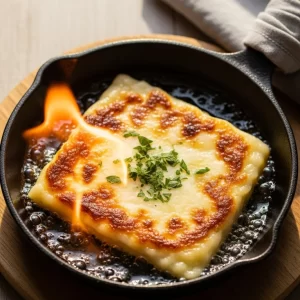
A5: Absolutely! While the cheese is the star, the finishing touches elevate it from appetizing to legendary. A traditional flourish is a splash of fresh lemon juice drizzled over the top, adding brightness and cutting through richness. Some Greek tavernas flambé the cheese with ouzo or brandy tableside-a dazzling, sensory experience that’s as theatrical as it is tasty.
Q6: Can Saganaki be part of a larger meal?
A6: Definitely. Saganaki often appears as a meze-Greek small plates designed for sharing. It pairs beautifully with crusty bread, fresh tomatoes, olives, and a chilled glass of ouzo or crisp white wine. Its rich, savory profile also makes it an irresistible companion to grilled meats and vibrant salads.
Q7: How can home cooks recreate authentic Saganaki?
A7: It’s simpler than you might think! Start with a firm Greek cheese from a specialty store or a Mediterranean market, slice it to about ½ inch thick, heat your pan, add just a touch of olive oil, and fry until golden on both sides. Finish with a squeeze of lemon-and voilà! Instant taste of the Aegean in your kitchen.
Q8: Why has Saganaki become such a symbol of Greek hospitality?
A8: Saganaki embodies the greek way of celebrating simple, quality ingredients with passion and flair. It’s not just food; it’s a convivial ritual, frequently enough shared among friends and family, served sizzling hot and meant to be enjoyed in good company. This dish perfectly captures the warmth,vibrancy,and generosity that define Greek culture.
Key Takeaways
As the last golden crust melts away, leaving behind only the memory of warm, bubbling cheese and the faint kiss of flame, Saganaki reveals itself not just as a dish, but as a festivity of Greek culinary artistry. This simple pan-fried gem carries centuries of tradition in every sizzle,connecting us to vibrant tavernas and sun-soaked islands. whether enjoyed as a spirited appetizer or an indulgent snack, mastering the art of Saganaki invites you to savor the essence of Greece-where flavor and culture meet in perfect harmony on a hot, rustic skillet. So next time you crave a bite of Mediterranean magic, remember: it’s not just cheese, it’s an experience worth igniting.