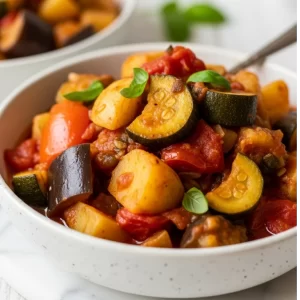

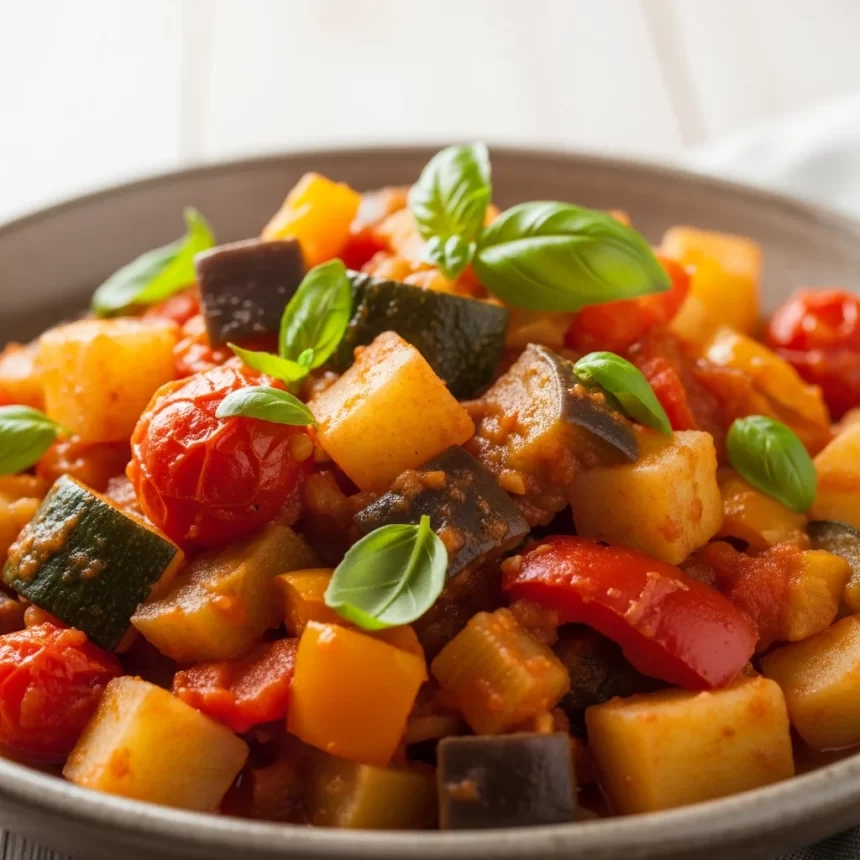
Beneath the sun-soaked hills of Southern Italy lies a culinary treasure frequently enough overshadowed by the country’s more famous dishes: Ciambotta. This rustic vegetable stew, brimming with vibrant colors and honest, hearty flavors, tells a story of tradition, resilience, and the simple joys of seasonal harvests.In “Ciambotta Unveiled: Italy’s Rustic Vegetable Stew Delight,” we journey beyond the glossy façades of Italian gastronomy to explore the humble origins, regional variations, and timeless appeal of a dish that celebrates the land’s bounty in every simmering pot. Join us as we uncover the secrets of Ciambotta, a stew that warms both heart and hearth with its soulful embrace.
Ciambotta is a luscious festivity of Italy’s rustic countryside, a stew that weaves together the freshest seasonal vegetables into a soul-warming symphony of flavors. Rooted deeply in Southern Italy’s culinary traditions, this humble dish reflects the vibrant essence of rural life where simplicity meets soul. As you simmer vibrant eggplant, zucchini, bell peppers, and ripe tomatoes, you unlock the authentic charm that makes ciambotta an enduring favorite across regions and generations.
Prep and Cook Time
Readiness: 20 minutes | Cooking: 40 minutes | Total: 60 minutes
Yield
Serves 4-6 hearty portions
Difficulty Level
Easy – Medium
Ingredients
- 2 tablespoons extra virgin olive oil
- 1 large eggplant, cut into 1-inch cubes
- 2 medium zucchinis, sliced into rounds
- 1 large yellow onion, thinly sliced
- 3 cloves garlic, minced
- 2 bell peppers (one red, one green), diced
- 4 ripe Roma tomatoes, peeled and chopped, or 1 can (14 oz) crushed tomatoes
- 1/2 cup fresh basil leaves, torn
- 1 teaspoon dried oregano
- Salt and freshly ground black pepper, to taste
- Optional: pinch of red pepper flakes for gentle heat
- Fresh parsley, chopped, for garnish
- Grated Pecorino Romano or Parmesan cheese for serving
Instructions
- Heat the olive oil in a large heavy-bottomed pot over medium heat. Add the sliced onion and sauté until translucent and slightly golden, about 5 minutes.
- Add the minced garlic and cook for 1 minute until fragrant, stirring constantly to avoid burning.
- Incorporate the diced bell peppers and continue to sauté for 5 minutes, stirring occasionally to soften and bring out their sweetness.
- Add the cubed eggplant and sliced zucchini. Cook for 8-10 minutes until the vegetables begin to soften, stirring gently so the eggplant and zucchini don’t break down too much.
- Stir in the chopped tomatoes (fresh or canned), dried oregano, and torn basil leaves. Season generously with salt, black pepper, and optional red pepper flakes.
- Reduce the heat to low, cover the pot, and let the stew simmer gently for 25-30 minutes. Stir occasionally to ensure even cooking and meld the flavors beautifully.
- Remove the lid during the last 10 minutes of cooking, allowing excess liquid to evaporate and the stew to thicken to your preferred consistency.
- Taste and adjust seasoning. Serve warm, garnished with freshly chopped parsley and a sprinkle of grated Pecorino Romano or Parmesan cheese for an authentic Italian touch.
Tips for Success
- Vegetable variations: depending on regional availability and season, feel free to add potatoes, green beans, or carrots to deepen the stew’s texture.Each region in Italy enjoys its own take on ciambotta, so embrace the adaptability.
- Salt wisely: add salt gradually since the cheese and canned tomatoes can add saltiness. This prevents over-seasoning.
- Fresh herbs: If possible, use fresh basil and oregano, as they bring brightness and aromatic complexity unmatched by dried versions.
- Make-ahead friendly: Ciambotta tastes even better the next day as flavors intensify overnight. Prepare in advance and gently reheat, stirring in a splash of olive oil to refresh.
- Serve with rustic bread: A crusty Italian bread is ideal for soaking up the flavorful juices, making each bite hearty and satisfying.
Serving Suggestions
Present ciambotta steaming hot in a shallow bowl or a terra cotta dish to emphasize its rustic roots. Garnish with a handful of fresh parsley and a delicate drizzle of high-quality extra virgin olive oil. For an extra indulgence, sprinkle freshly grated Pecorino Romano or Parmesan cheese just before serving.
This stew pairs beautifully with a light Italian red wine, like a Chianti or Montepulciano d’Abruzzo, which complement the fresh vegetable medley without overpowering it. For a complete meal, serve alongside creamy polenta or buttery garlic bread to soak up every drop of this vibrant sauce.
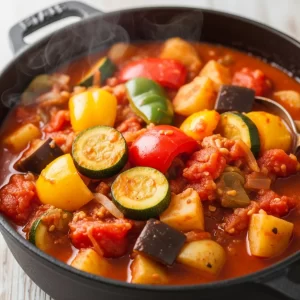
| Nutrition (per serving) | Amount |
|---|---|
| Calories | 180 kcal |
| protein | 4 g |
| Carbohydrates | 28 g |
| Fat | 7 g |
To dive deeper into Italy’s rich vegetable-based recipes, explore our Italian vegetable recipes collection. For historical insights and cultural context about Southern Italian cuisine, the Encyclopedia Britannica offers a comprehensive look.
Q&A
Q&A: Ciambotta Unveiled – Italy’s Rustic Vegetable Stew Delight
Q1: What exactly is Ciambotta?
Ciambotta is a hearty, rustic vegetable stew originating from Southern Italy, especially the regions of Campania, Calabria, and Basilicata. It’s a celebration of summer’s bounty, combining a colorful medley of fresh vegetables simmered slowly to create a rich, comforting dish that’s both humble and deeply flavorful.
Q2: What vegetables are typically used in Ciambotta?
The flavor of Ciambotta blooms from a vibrant mix of garden-fresh vegetables like eggplants, zucchini, bell peppers, tomatoes, onions, and potatoes. Sometimes green beans or carrots make a cameo, depending on the season and regional touches. The vegetables meld together, each contributing its unique texture and taste.
Q3: How is Ciambotta traditionally prepared?
Traditionally, Ciambotta begins with sautéing onions and garlic in olive oil until fragrant. Then, vegetables are added in stages based on their cooking times-starting with firmer veggies like potatoes and peppers, followed by tender eggplants and zucchini. Fresh tomatoes or tomato sauce bring the stew together with a kiss of acidity. It simmers slowly, allowing flavors to marry, often finished with fresh herbs such as basil or parsley.
Q4: Is Ciambotta served hot or cold?
While tender and warm Ciambotta is a comfort food perfect for cooler days, it’s equally delightful served at room temperature or chilled, making it an ideal dish for summer gatherings. Its flavors deepen over time, so leftovers are often even better the next day.
Q5: How does Ciambotta differ from other Italian vegetable stews?
Unlike the more famous Ratatouille-inspired dishes or minestrone soups, Ciambotta is uniquely Southern Italian-rustic, chunky, and lively with a bit more simplicity. It prioritizes the natural sweetness of fresh veggies with minimal seasoning, embracing an earthy, sun-soaked Mediterranean essence.
Q6: Can Ciambotta be made vegan or vegetarian?
Absolutely! Ciambotta is naturally plant-based,requiring no meat or dairy. However, some regional versions may include anchovies or a sprinkle of grated cheese for added umami. But at its heart, Ciambotta gloriously showcases vegetables and olive oil.
Q7: What dishes pair well with ciambotta?
Ciambotta is wonderfully versatile. It can be a main dish alongside crusty bread or polenta, a vibrant side to grilled meats or fish, or even spooned over creamy risotto. Its bright, earthy flavors also complement a glass of robust Italian red wine-making every meal an authentic Mediterranean feast.
Ciambotta isn’t just a stew; it’s a story of Italian gardens and family tables, a humble dish that captures the spirit of rustic Italy-simple ingredients, slow cooking, and soul-satisfying flavor. Give it a try, and let the colors and aromas of this vegetable symphony transport you straight to the sun-dappled hills of southern Italy.
To Wrap It Up
As the last spoonful of Ciambotta warms your soul, you’re reminded that this humble stew is more than just a dish-it’s a celebration of Italy’s rustic heart and the vibrant bounty of its countryside. From garden-fresh tomatoes and zucchini to tender eggplants and fragrant herbs, Ciambotta invites you to savor simplicity elevated to an art form.Whether enjoyed al fresco on a sunlit terrace or gathered around a family table, this vegetable medley carries the essence of tradition, community, and timeless flavor.So next time you seek comfort in a bowl, let Ciambotta unveil its story and bring a taste of Italy’s rustic charm right to your kitchen.