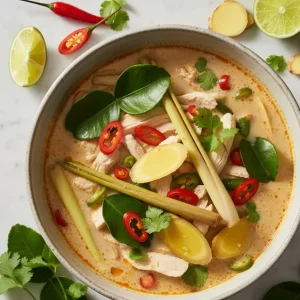

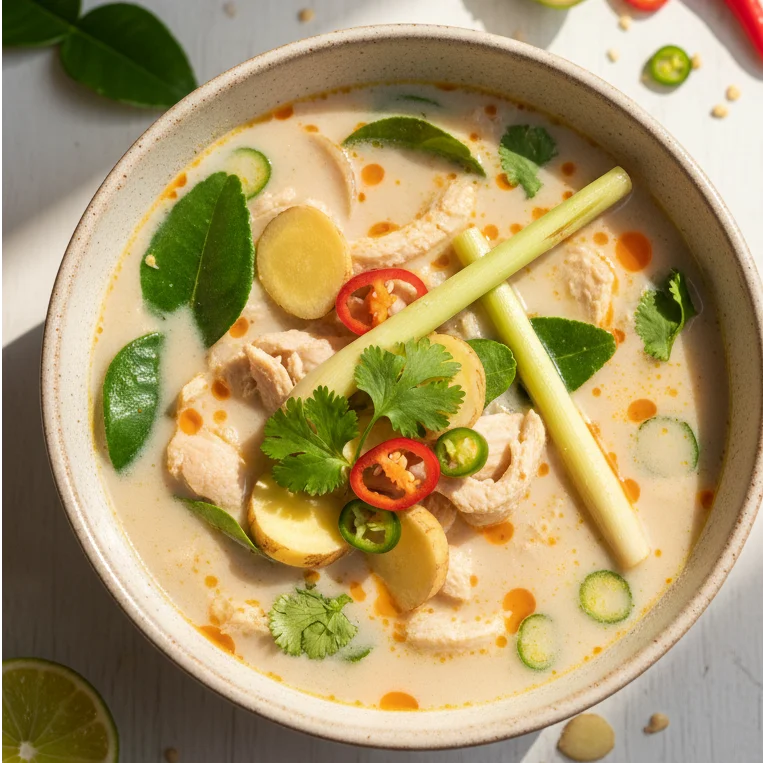
In the bustling kitchens of Thailand, where vibrant aromas dance on the air and flavors burst with every bite, one dish stands out for its harmonious blend of creamy richness and zesty freshness: Tom Kha Gai. This beloved coconut chicken soup is more than just a comfort food; it’s a culinary journey into the heart of Thai tradition. With its fragrant lemongrass, soothing coconut milk, tender chicken, and a delicate interplay of spicy and sour notes, Tom Kha Gai invites food lovers to explore a symphony of tastes that soothe the soul while awakening the senses. Join us as we dive into the origins,ingredients,and cultural meaning of this iconic soup,uncovering why Tom Kha Gai continues to captivate palates around the world.
Tom Kha Gai is much more than just a soup; it’s a comforting embrace of Thai flavors, where creamy coconut milk meets fragrant herbs and tangy lime. Originating from central Thailand, this iconic dish is deeply rooted in Thai culinary tradition, celebrated for its harmonious blend of spicy, sour, and sweet notes. The perfect bowl of Tom Kha Gai offers a luxurious balance between the richness of coconut cream and the bright zing of fresh ingredients,making it a beloved staple across Thai households and restaurants worldwide. My first taste of this soup was an unforgettable experience-every spoon carried layers of flavor complexity that sparked my passion for recreating authentic Thai cuisine at home.
Prep and cook Time
- Readiness: 15 minutes
- Cooking: 20 minutes
- Total Time: 35 minutes
Yield
Serves 4 generous portions
Difficulty Level
Easy to Medium – great for both beginners and those looking to refine conventional thai cooking techniques
Key Ingredients That Define the Rich and Tangy Flavor Profile
- 2 cups coconut milk (full-fat for creaminess)
- 2 cups chicken broth (preferably homemade or low sodium)
- 300g (10.5 oz) boneless chicken breast or thigh, thinly sliced
- 3-4 slices fresh galangal (must-have for authentic aroma)
- 3-4 kaffir lime leaves, torn to release oils
- 2 stalks lemongrass, bruised and cut into 2-inch pieces
- 2-3 Thai bird’s eye chilies, crushed (adjust to taste)
- 200g (7 oz) straw mushrooms, halved (or button mushrooms as substitute)
- 3 tbsp fish sauce (to taste, adds umami depth)
- 2 tbsp fresh lime juice (essential for tanginess)
- 1 tbsp palm sugar or brown sugar (to balance flavors)
- Fresh cilantro and sliced red chili for garnish
Step-by-Step Guide to Crafting Authentic Tom Kha Gai at Home
- Prepare the aromatics: in a medium pot, combine the coconut milk and chicken broth over medium heat. Add the galangal slices, kaffir lime leaves, and bruised lemongrass. Let it gently simmer for 10 minutes to infuse flavors. Avoid boiling vigorously to prevent coconut milk from separating.
- Add chicken and mushrooms: Stir in the thinly sliced chicken and mushrooms. Simmer until the chicken is cooked through, about 6-8 minutes. Stir gently to keep the meat tender and juicy.
- Season the broth: Add fish sauce, palm sugar, and bird’s eye chilies. Stir well, allowing the fish sauce to dissolve and balance the sweetness of the sugar. Taste frequently to ensure the broth isn’t too salty or sweet.
- Finish with lime: Remove from heat and stir in fresh lime juice last to retain its bright, fresh acidity. This step brings the essential tanginess that defines the dish.
- Garnish and serve: Ladle the soup into bowls and garnish with chopped cilantro and thinly sliced red chili for a vibrant, colorful presentation. Serve hot with steamed jasmine rice or as part of a Thai-inspired meal.
Expert Tips for Perfecting the Balance of Creaminess and Spice
- control the heat: Start with fewer bird’s eye chilies and add more gradually. Remember, the spice should gently tease the palate, not overpower the coconut’s richness.
- Fresh ingredients matter: Galangal and kaffir lime leaves give Tom Kha Gai its unmistakable fragrance. Avoid dried substitutes if you want authentic flavor.
- Don’t rush simmering: Low and slow is key when infusing coconut milk, so avoid boiling to keep it smooth and creamy.
- Adjust to taste at the end: Lime juice and fish sauce should be added at the final step to maintain brightness and complex seasoning.
- Make ahead: This soup tastes even better the next day as flavors meld.reheat gently to preserve creaminess, and add fresh lime juice just before serving.
Serving Suggestions
Serve your Tom Kha Gai in deep bowls to retain warmth, paired perfectly with steamed fragrant jasmine rice or sticky rice to soak up the luscious broth. Accent each serving with fresh cilantro sprigs and thinly sliced red chili to add a visual pop and a subtle kick.For an elevated dining experience, accompany with Thai green papaya salad or crispy spring rolls, balancing freshness with crunch. A chilled glass of thai iced tea complements this creamy, tangy soup beautifully, cutting through the spice and lush coconut flavors.
| Nutrient | Per Serving |
|---|---|
| Calories | 280 kcal |
| Protein | 25g |
| Carbohydrates | 10g |
| Fat | 15g |
For further exploration of Thai flavors, check out our Thai Green Curry recipe.To deepen your understanding of traditional Southeast Asian ingredients, this Britannica article on Thai cuisine is a complete resource.
Q&A
Q&A: Tom Kha Gai – exploring Thailand’s Creamy Coconut Chicken Soup
Q1: What exactly is Tom Kha Gai?
A1: Tom Kha Gai is a beloved Thai soup that masterfully balances creamy coconut milk with fragrant herbs and tender chicken. The name literally translates to “boiled galangal chicken,” highlighting its star ingredient-galangal,a root similar to ginger but with a citrusy,pine-like aroma. It’s a comforting, aromatic dish that delivers a rich taste of Thailand’s culinary heritage.Q2: What makes Tom kha Gai different from other Thai soups like Tom Yum?
A2: While Tom Yum is famous for its fiery, sour punch, Tom Kha Gai offers a softer, creamier experience thanks to coconut milk. Both share a base of flavorful herbs such as lemongrass, kaffir lime leaves, and galangal, but Tom Kha Gai’s gentle sweetness and richness make it a more soothing choice, perfect for those seeking warmth without intense heat.Q3: What ingredients are essential to authentic Tom Kha Gai?
A3: The heart of Tom Kha Gai lies in its harmonized ingredients: fresh coconut milk, galangal slices, lemongrass stalks, kaffir lime leaves, Thai bird’s eye chilies (for a touch of heat), fish sauce, lime juice, and tender pieces of chicken breast or thigh. Mushrooms often join the mix, soaking up the luscious broth. Fresh cilantro and scallions finish the dish with a burst of color and flavor.
Q4: How is the unique flavor of galangal described, and can it be substituted?
A4: Galangal offers a sharp, peppery, and slightly citrusy flavor, with earthy undertones that set Tom Kha Gai apart from soups flavored solely with ginger. If you can’t find galangal, fresh ginger is the closest substitute, though the soup will lack that signature zing. Dried galangal powder is another alternative but should be used sparingly to avoid overpowering the dish.
Q5: Can Tom Kha Gai be made vegetarian or vegan?
A5: Absolutely! by swapping chicken for tofu or a medley of hearty vegetables and replacing fish sauce with soy sauce or tamari, you can enjoy a plant-based Tom Kha Gai that’s just as comforting and flavorful. Coconut milk ensures the soup retains its creamy richness, making it a delightful vegan option.
Q6: what occasions or seasons are best for enjoying Tom Kha Gai?
A6: Tom Kha Gai’s soothing warmth and creamy texture make it ideal for cooler days or whenever you crave something nurturing. It’s a popular dish year-round but especially comforting during rainy or chilly weather, acting as a flavorful hug in a bowl. It’s also a crowd-pleaser at gatherings, offering a taste of Thailand’s exotic flavors without overwhelming spiciness.
Q7: How can homemade Tom Kha Gai be served?
A7: Traditionally, Tom Kha Gai is enjoyed on its own as a soup starter or light main dish. It pairs beautifully with steamed jasmine rice, allowing you to soak up every drop of its rich broth. Garnish with fresh cilantro,a squeeze of lime,and extra chili slices to tailor the heat and brightness to your liking.
Q8: Why has Tom Kha Gai gained international popularity?
A8: Its global appeal lies in the soup’s intricate balance of flavors-creamy, tangy, spicy, and aromatic all at once-offering an accessible yet exotic taste adventure. Unlike some fiery Thai dishes,tom Kha Gai’s mellow heat and comforting coconut broth attract food lovers worldwide who seek boldness without overwhelming their palate.
Q9: What tips should beginners keep in mind when making tom Kha Gai?
A9: When making Tom Kha Gai at home,remember to add lime juice last to preserve its fresh brightness,simmer the soup gently to keep the coconut milk from curdling,and don’t be afraid to adjust seasonings to your taste.Fresh herbs are key-avoid dried substitutes to maintain that authentic aroma and flavor.Q10: Where should one look to find authentic Tom kha gai outside Thailand?
A10: Authentic Tom Kha Gai is best found at Thai restaurants known for traditional, home-style cooking. Ethnic markets often sell the necessary fresh herbs and galangal, which helps replicate the genuine flavors at home. For an adventurous palate, exploring local Thai eateries or joining cooking classes can deepen your appreciation of this creamy coconut chicken soup’s rich cultural roots.
Final Thoughts
Whether savored in a bustling Bangkok street market or simmered gently at home, Tom Kha Gai remains a vibrant testament to Thailand’s rich culinary heritage. this harmonious blend of creamy coconut milk, fragrant herbs, tender chicken, and a touch of citrus not onyl warms the body but also invites a deeper appreciation for the delicate balance of flavors that define Thai cuisine. As you explore the layers of this beloved soup, you’re not just tasting a dish-you’re experiencing a story steeped in tradition, culture, and the art of gathering around the table to share something truly comforting. So next time you crave something both soothing and adventurous, let Tom Kha Gai’s creamy embrace be your passport to the heart of Thailand.