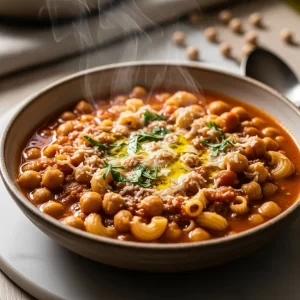

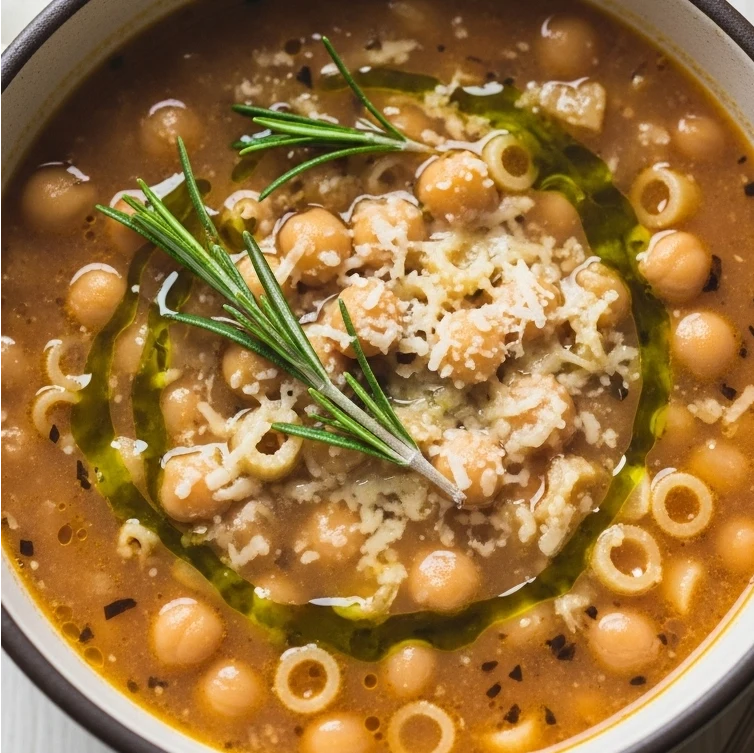
In the heart of italy’s rustic kitchens, where tradition and simplicity meld into soul-soothing dishes, one humble bowl stands out: Pasta e Ceci. This hearty chickpea soup, cherished for centuries, is more than just a meal-it’s a celebration of comfort, nutrition, and timeless flavors. Combining tender chickpeas, al dente pasta, and aromatic herbs simmered to perfection, Pasta e Ceci captures the essence of Italian home cooking. Join us as we explore the origins, secrets, and step-by-step crafting of this beloved comfort soup that turns everyday ingredients into an unforgettable culinary embrace.
Hearty pasta e Ceci is more than just a nourishing soup-it’s a heartfelt embrace from the Italian countryside, a dish that tells stories of rustic kitchens and humble ingredients transformed into profound comfort.Originating primarily from the regions of Lazio and puglia, this timeless recipe combines earthy chickpeas and tender pasta in a broth rich with fragrant herbs and slow-simmered garlic and onion. Passed down through generations, Pasta e Ceci was once a peasant staple, a thrifty yet hearty meal perfect for colder months or any time the soul craved warmth.
Prep and Cook Time
- Prep Time: 15 minutes
- Cook Time: 1 hour 10 minutes (including chickpea simmer)
- Total Time: 1 hour 25 minutes
yield
4 generous servings
Difficulty Level
Medium – Perfect for home cooks ready to savor authentic Italian comfort food with a few culinary techniques.
Ingredients
- 1 cup dried chickpeas, soaked overnight or 2 cups cooked/canned, rinsed and drained
- 2 tablespoons extra virgin olive oil
- 1 medium onion, finely chopped
- 2 cloves garlic, thinly sliced
- 1 sprig fresh rosemary or 1 teaspoon dried rosemary
- 1 sprig fresh thyme (optional)
- 1 can (14 oz) diced tomatoes or 2 fresh tomatoes, peeled and chopped
- 5 cups low-sodium vegetable or chicken broth
- 100g small pasta (ditalini, small shells, or tubettini)
- Salt and freshly cracked black pepper, to taste
- Fresh flat-leaf parsley, chopped for garnish
- Optional: pinch of red pepper flakes for warmth
Step by Step Guide to mastering Authentic Flavor Layers
- Prep Your Chickpeas: If using dried chickpeas, soak them overnight in cold water. Drain, place in a pot, cover with fresh water, bring to a boil, reduce heat, then simmer gently for about 45 minutes until tender. For convenience, canned chickpeas work beautifully-just rinse well.
- sauté the Aromatics: In a heavy-bottomed pot, heat the extra virgin olive oil over medium heat. Add the finely chopped onion and sauté until translucent, about 5 minutes. Next,add the sliced garlic and rosemary sprig,stirring gently to avoid burning,for another 2 minutes. The aroma will become deeply inviting.
- Layer in Tomatoes: Stir the diced tomatoes into the sautéed mixture. Cook them down until they meld into a fragrant sauce, about 8 minutes. This slow cooking builds the base flavor essential to the soup’s heart.
- Add Chickpeas and Broth: Drain the cooked chickpeas and add them to the pot along with the broth and thyme sprig. Bring everything to a gentle simmer.
- Simmer and Season: Let the broth and chickpeas simmer uncovered for 20 minutes, stirring occasionally. Season carefully with salt and black pepper. If you want a subtle heat, add a pinch of red pepper flakes now.
- Cook the Pasta: Add your choice of small pasta directly to the simmering soup. Stir frequently to prevent sticking. Cook until pasta is al dente, generally 8-10 minutes, but check package instructions to retain a pleasantly firm texture.The pasta will absorb some broth, thickening the soup naturally.
- Final Touches: Remove the rosemary and thyme sprigs. Adjust seasoning as needed.let the soup rest for 5 minutes off the heat to marry all those comforting flavors.
Choosing the Perfect Chickpeas and Pasta for Optimal Texture
For an authentic Pasta e Ceci, quality chickpeas are paramount – opt for plump, creamy varieties like “Cece” or “kabuli” types which hold their shape yet soften beautifully. If using dried chickpeas, soaking and slow simmering unlock their earthy sweetness. For pasta, smaller shapes like ditalini or tubettini weave perfectly into the rustic broth, offering a delightful bite without overpowering. Avoid overcooked pasta to keep the texture balanced and the soup hearty, not mushy.
tips and Variations to Customize Your Comfort Soup Experience
- Herb Swap: If rosemary or thyme aren’t on hand, sage or bay leaves offer subtle but distinctive notes.
- Broth Base: Experiment with vegetable broth for a vegan twist or enrich with chicken broth for more depth.
- Smoky Undertones: Add a few finely chopped guanciale or pancetta cubes during aromatics sautéing for an indulgent umami boost.
- Textural Contrast: Finish with a drizzle of good quality olive oil and a dusting of grated Pecorino Romano or Parmigiano-Reggiano cheese.
- Make-Ahead: Soup tastes even better the next day. Prepare fully, cool, and refrigerate. Reheat gently, adding a splash of broth if too thick.
Serving Suggestions
Serve your Pasta e Ceci steaming hot in rustic bowls with a generous sprinkling of freshly chopped flat-leaf parsley on top. A drizzle of quality extra virgin olive oil heightens richness, while crusty, toasted bread or focaccia is ideal for dipping.Pair the meal with a luminous salad of seasonal greens or simple tomato and basil to balance the soup’s earthiness. A glass of crisp Italian white wine, like Vermentino, completes this soul-warming experience.
| Nutrition & Conversions | Per serving |
|---|---|
| calories | 350 kcal |
| Protein | 15 g |
| Carbohydrates | 50 g |
| Fat | 5 g |
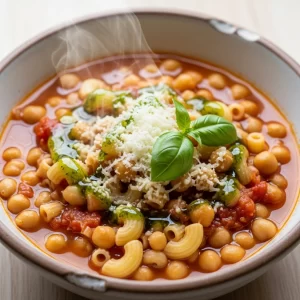
For more inspiring Italian classics, check out our Traditional Minestrone Soup Recipe. To deepen your culinary knowledge on chickpeas and their nutritional benefits, visit Healthline’s chickpea guide.
Q&A
Q&A: Hearty Pasta e Ceci – Italy’s Comfort Chickpea Soup Recipe
Q: What is Pasta e Ceci and why is it considered a comfort food in Italy?
A: Pasta e ceci, literally translating to “pasta and chickpeas,” is a rustic Italian soup that embodies warmth and simplicity. Rooted in Southern Italian culinary traditions, it’s cherished as a comfort food as it combines humble pantry staples-creamy chickpeas and tender pasta-into a nourishing, soul-soothing dish perfect for chilly days or whenever you crave a bowl of heartfelt sustenance.
Q: What are the key ingredients that make Pasta e Ceci special?
A: The magic lies in the perfect pairing of chickpeas and small pasta shapes (like ditalini or tubetti). Along with garlic, rosemary, olive oil, and sometimes a touch of tomato, these ingredients meld into a fragrant, thick broth that’s both hearty and wholesome. The simplicity lets each flavor shine-earthy chickpeas, fragrant herbs, and al dente pasta all harmonizing beautifully.Q: Is Pasta e Ceci difficult to prepare at home?
A: Not at all! This soup is surprisingly easy to make. Most versions start with sautéing garlic and rosemary in olive oil, then adding cooked chickpeas and broth, simmering gently, and finally stirring in your chosen pasta to cook directly in the soup. It’s a one-pot wonder that rewards you with minimal effort and maximum coziness.
Q: Can I use canned chickpeas, or is it better to soak and cook dried ones?
A: Both options work! Using dried chickpeas requires soaking overnight and longer cooking times, which can deepen the flavor and texture. But canned chickpeas are a convenient shortcut that still delivers tasty results-perfect for a speedy weeknight meal.
Q: how do Italians traditionally serve Pasta e Ceci?
A: Typically, it’s ladled into bowls with a generous drizzle of extra virgin olive oil and a grind of black pepper. Sometimes a sprinkle of pecorino cheese adds a sharp,salty note. It’s enjoyed as a primo primo (first course) or a light main dish,often accompanied by crusty bread for dipping.
Q: Are there regional variations of this chickpea soup across Italy?
A: Absolutely! While the core ingredients remain similar, some regions enrich it with pancetta or anchovies for umami depth, others add tomato puree for a red-hued broth, and a few even swap rosemary for sage or thyme. each twist reflects local tastes and pantry finds, showcasing Italy’s rich culinary diversity.
Q: What makes Pasta e ceci a nutritious choice?
A: Packed with plant-based protein and fiber from chickpeas and carbs from pasta, this soup offers sustained energy and digestive benefits. Olive oil supplies heart-healthy fats, while garlic and herbs contribute antioxidants and vibrant flavor.It’s comfort food that feeds both body and soul.
Q: Can Pasta e Ceci be adapted for gluten-free or vegan diets?
A: Definitely! Use gluten-free pasta to keep it accessible for gluten-sensitive eaters. Traditionally vegan, Pasta e Ceci usually contains no dairy or meat, but if you add cheese, opt for vegan alternatives or simply omit it to maintain the plant-based purity.
Q: What’s the best occasion to enjoy Pasta e Ceci?
A: Any time you crave a hug in a bowl! Ideal for chilly evenings, casual family dinners, or when you want to evoke the spirit of Italy’s countryside kitchen with something simple, warm, and utterly satisfying.
Q: How can I elevate my Pasta e Ceci for a special meal?
A: Try finishing your soup with a drizzle of fragrant truffle oil, a scattering of toasted breadcrumbs for crunch, or a handful of fresh herbs like flat-leaf parsley. Serve alongside a robust Italian red wine to transform this humble dish into a memorable centerpiece.
Closing Remarks
As the aroma of simmering chickpeas and tender pasta fills your kitchen, you’re not just cooking a meal-you’re embracing a centuries-old Italian tradition that warms both body and soul. Hearty Pasta e Ceci is more than a simple soup; it’s a celebration of rustic simplicity and wholesome ingredients coming together in perfect harmony. Whether enjoyed on a chilly evening or shared among friends and family, this comforting dish invites you to slow down, savor each bite, and connect with the timeless flavors of Italy’s countryside. So next time you crave something nourishing and soul-satisfying,remember this beloved chickpea soup-a humble yet hearty reminder that sometimes,the most comforting dishes come from the simplest of recipes.