
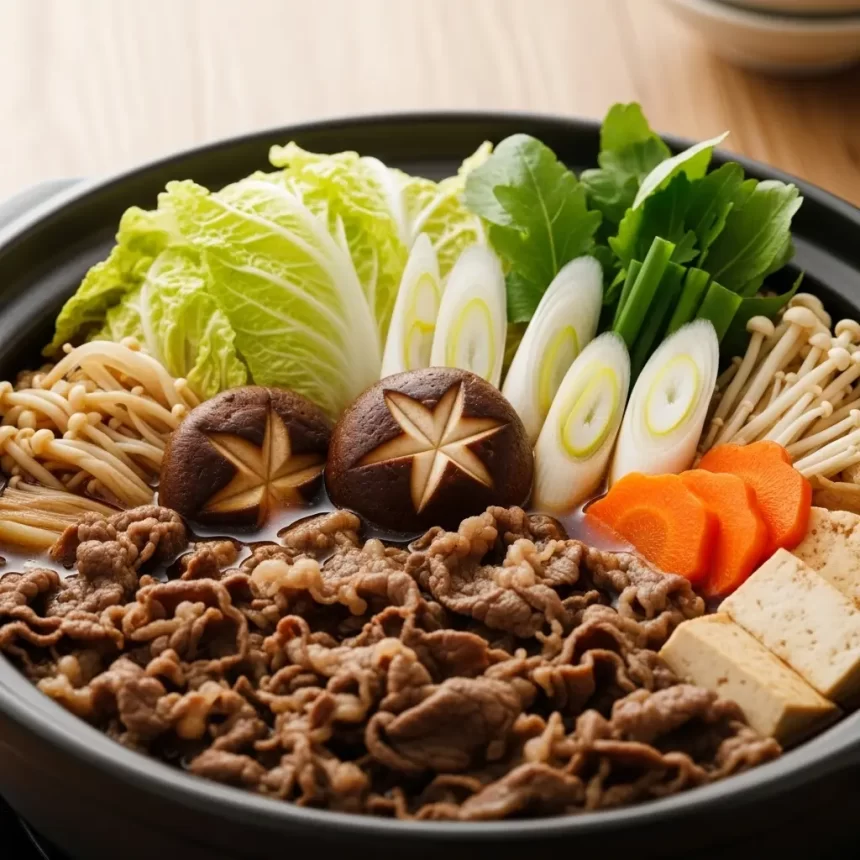
There’s a certain magic in the steamy air of a bubbling hot pot, where thin slices of tender beef meet a symphony of sweet and savory flavors, all harmonizing in a communal feast that warms both body and soul. Welcome to the world of Beef Sukiyaki, one of Japan’s most beloved and iconic dishes. More than just a meal, sukiyaki is a cultural experience that brings families and friends together around the table, inviting them to savor each bite and the stories woven into every simmering pot. in this article, we’ll dive into the rich history, distinctive ingredients, and artful readiness that make beef sukiyaki an enduring symbol of Japanese culinary tradition. Join us as we unravel the secrets behind this hot pot delight and learn why it continues to capture hearts worldwide.
Savoring Beef Sukiyaki is more than a meal; it’s a festivity of textures, flavors, and Japanese tradition coming alive in a single pot. This iconic hot pot delight captures the heart of Japan’s culinary heritage, artfully balancing the rich, tender beef with a luscious sweet and savory broth that wraps every ingredient in umami magic.
Prep and Cook Time
- preparation: 20 minutes
- cooking: 15 minutes
- Total: 35 minutes
Yield
- Serves 4 generously
Difficulty Level
- Medium – Great for adventurous home cooks eager to master classic Japanese dishes
The Art of Selecting the Perfect Beef for Sukiyaki
When it comes to Savoring Beef Sukiyaki, the star ingredient is undoubtedly the beef. Opt for thinly sliced cuts with stunning marbling-Wagyu or ribeye are top choices,offering a melt-in-your-mouth experience. The delicate fat content ensures every bite remains juicy and tender, which is essential to harmonize with the sweet soy-based broth. If you can’t find Wagyu, look for premium-grade sirloin sliced paper-thin at your butcher or Asian market. To achieve the best texture, keep the beef chilled and slice it as thin as possible, ideally about 1/16 inch thick. This practice allows the slices to cook rapidly, absorbing the broth’s essence without losing their succulent texture.
Mastering the Balance of Sweet and Savory Broth
The defining element of this dish is its broth, a masterstroke of simplicity and complexity. Combining soy sauce, mirin, sugar, and sake, the sultry broth bathes the beef and vegetables, infusing each component with a signature blend of sweetness and savory depth. Start by gently warming these ingredients together to dissolve sugar into a glossy elixir. From experience, adjusting the sweetness is key-start with 3 tablespoons of sugar and taste as it simmers, fine-tuning to your preference. This broth is versatile, enhancing every morsel evenly, so let it simmer gently, enriching the flavor and aroma before adding the beef and vegetables.
Essential Vegetables and Tofu to Elevate Your Sukiyaki
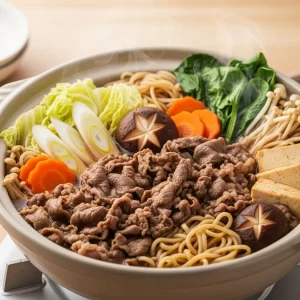
To elevate your Savoring Beef sukiyaki experience, include an array of fresh, vibrant vegetables and silky tofu that complement the rich broth. Napa cabbage is an absolute must-its subtle sweetness and soft crunch act as a natural foil to the beef’s richness. Add enoki mushrooms for their delicate frisbee shape and earthy flavor, alongside sliced shiitake mushrooms for depth. Shungiku (chrysanthemum greens) introduce a fragrant, slightly herbal note that cuts through the broth’s richness. firm yet silky tofu, preferably medium-firm, adds a luxurious gentle texture that absorbs the broth’s essence beautifully.Don’t forget thinly sliced green onions and glass noodles (harusame) to complete this symphony of taste and texture. All these ingredients should be prepared just before cooking to keep their fresh vibrancy and contrasting textures.
Serving Suggestions and Customary Accompaniments for an Authentic Experience
Present your Savoring Beef Sukiyaki in a shallow yet wide cast-iron or ceramic pot placed against the table’s center,letting everyone partake in the communal joy of hot pot dining.Provide small bowls of lightly beaten raw egg as a classic dipping sauce-the egg’s delicate creaminess perfectly balances the broth’s punch. For garnishes, sprinkle chopped scallions and a few toasted sesame seeds atop the meat before diners dip it in the egg. Serving steamed Japanese short-grain rice alongside is essential; it lovingly soaks up the leftover broth and is an exquisite way to complete each bite. Adding a simple side of pickled vegetables, such as tsukemono, offers a crisp, tangy contrast that elevates the experience even more.
Ingredients
- 350g Wagyu or ribeye beef,thinly sliced
- 1 small Napa cabbage,chopped into bite-sized pieces
- 150g enoki mushrooms,trimmed
- 6 shiitake mushrooms,stemmed and sliced
- 100g shungiku (chrysanthemum greens) or substitute with spinach
- 200g medium-firm tofu,cut into 1-inch cubes
- 1 small onion,thinly sliced
- 4 green onions,sliced diagonally
- 100g glass noodles (harusame),soaked and drained
- 3 tbsp soy sauce
- 3 tbsp mirin
- 2 tbsp sake
- 3 tbsp sugar
- 2 tbsp vegetable oil or sesame oil
- 4 eggs,beaten (for dipping)
Instructions
- Prepare the broth: In a small saucepan,combine soy sauce,mirin,sake,and sugar. Heat gently over medium-low, stirring until the sugar dissolves and the mixture is fragrant. Set aside to keep warm.
- Arrange the pot: Heat a shallow wide pot over medium heat and add oil. Sauté the sliced onions until translucent and fragrant,about 3 minutes.
- Add vegetables: Layer the Napa cabbage, shiitake mushrooms, enoki mushrooms, tofu cubes, and shungiku around the pot sides, reserving space in the center for the beef.
- Pour in the broth: Add about half the warmed broth, enough to just begin simmering the vegetables without submerging everything fully.
- Cook glass noodles: Nestle the soaked glass noodles into one side of the pot.
- Begin cooking beef: Lay thin slices of beef on the empty central section of the pot. Let them cook undisturbed for 1 minute to develop a slight sear, then gently stir into the broth and vegetables.
- Simmer gently: Keep the heat low so the broth bubbles gently-this slow cooking melds the flavors wonderfully. Cook for an additional 5-7 minutes, until vegetables soften but retain some bite.
- Serve traditionally: At the table, encourage guests to dip cooked beef and veggies into the beaten eggs before eating. Add more broth or ingredients as desired to keep the pot lively throughout the meal.
Chef’s Notes
- For a deeper broth, add a splash of dashi stock or kombu seaweed to the simmering mixture.
- If raw eggs are a concern, gently warm the beaten eggs or swap with ponzu sauce as a tangy accompaniment.
- Vegetarian variations can omit beef, increasing tofu and mushroom varieties for richness.
- Make-ahead tip: Slice beef and prep vegetables a few hours before; store separately refrigerated until ready to cook.
- For a smoky twist, add thin slices of grilled konnyaku or substitute with thin-sliced pork belly.
Serving Suggestions
Enhance your dining ambiance with low lighting and traditional tableware-lacquered bowls and bamboo chopsticks set the mood. Garnish dishes with fresh scallions, a sprinkle of toasted sesame seeds, and a drizzle of yuzu kosho if you want a subtle citrus-spice kick. Accompany with a chilled glass of sake or green tea for authenticity, and serve steamed white rice on the side to soak up the enticing juices. This dish invites sharing and storytelling-perfect for a cozy night or festive gathering.
Nutritional Details (per serving)
| Calories | Protein | Carbohydrates | fat |
|---|---|---|---|
| 450 kcal | 32 g | 18 g | 28 g |
For more authentic Japanese recipes and hot pot inspirations, visit our Japanese Hot Pot Recipes collection and explore the art of communal dining.
Q&A
Q&A: Savoring Beef Sukiyaki – Japan’s Iconic Hot Pot Delight
Q1: What exactly is beef sukiyaki?
A1: Beef sukiyaki is a beloved Japanese hot pot dish that brings thinly sliced beef together with fresh vegetables, tofu, and noodles, all simmered in a sweet-savory broth crafted from soy sauce, mirin, sugar, and sake. It’s more than just a meal; it’s an experience that embodies Japan’s harmonious balance of flavors and textures.
Q2: How did sukiyaki become such an iconic dish in Japan?
A2: Sukiyaki’s roots stretch back to the Meiji era (late 19th century), a time when Japan was eagerly embracing Western influences, including new eating habits like beef consumption. This dish cleverly adapted beef into traditional Japanese flavors, becoming a symbol of cultural fusion and modernization. Over time,sukiyaki evolved into a communal dining staple,perfect for gatherings and celebrations.
Q3: What makes the broth in sukiyaki so distinctive?
A3: The sukiyaki broth-often called “warishita”-is a magical blend of soy sauce’s umami depth, the gentle sweetness of mirin and sugar, and the subtle warmth of sake. This blend creates a rich yet balanced soup that enhances each ingredient without overpowering them. It’s the heart of the dish, simmering everything into a fragrant and enticing symphony.
Q4: Which ingredients are essential when making sukiyaki?
A4: At its core, sukiyaki features ultra-thin beef slices, tender enough to cook in seconds, paired with crisp negi (Japanese green onions), shiitake mushrooms, silky tofu, crunchy shirataki noodles made from konjac, and fresh leafy greens like shungiku (chrysanthemum leaves) or napa cabbage. Each ingredient adds its unique texture and flavor, soaking up the broth and blending harmoniously.
Q5: Is there a traditional way to eat sukiyaki?
A5: Absolutely! In many sukiyaki experiences, diners cook the ingredients at the table in a shallow iron pot.Once cooked,the pieces are often dipped in a small bowl of raw,beaten egg before eating. This egg dip cools the food slightly and adds a creamy, velvety layer, elevating every bite to luscious heights.
Q6: Can sukiyaki be customized or adapted?
A6: While traditional sukiyaki follows a beloved formula,creativity is always welcome! Some enjoy adding different mushrooms,swapping shirataki noodles for udon,or incorporating seasonal vegetables. Vegetarian versions can replace beef with tofu or seitan and deepen the broth with mushroom stock, showing sukiyaki’s versatile spirit.
Q7: How does sukiyaki reflect Japanese culture and dining philosophy?
A7: Sukiyaki exemplifies “wa,” the Japanese concept of harmony-not only in flavors but also in communal dining. Sharing a simmering pot encourages conversation,patience,and appreciation of each ingredient’s seasonality and character. It’s a celebration of togetherness, mindful enjoyment, and the artistry of food coming alive right at the table.
Q8: where should one go to experience authentic beef sukiyaki in Japan?
A8: For an unforgettable sukiyaki experience, head to traditional eateries in Tokyo’s Asakusa or Kyoto’s Gion districts, where chefs prepare the dish with reverence and skill. Ryotei-style restaurants offer elegant settings perfect for savoring the full ritual, while open markets and casual spots provide approachable versions bursting with local charm.
Savoring beef sukiyaki is more than indulging in a hot pot meal-it’s stepping into a warm circle of tradition, flavor, and shared delight that has warmed Japanese hearts for generations. Ready your chopsticks and your appetite!
In Summary
As the simmering broth melds tender slices of beef with vibrant vegetables and delicate noodles, Beef Sukiyaki reveals itself as more than just a meal-it’s a warm invitation into Japan’s rich culinary tapestry. Each bite carries the essence of tradition, communal joy, and the artful balance of flavors that define this iconic hot pot delight. Whether enjoyed in a bustling Tokyo eatery or recreated in the comfort of your own kitchen, savoring Sukiyaki is an experience that nourishes both body and soul, reminding us that sometimes, the simplest ingredients, lovingly prepared, can create the most memorable moments.