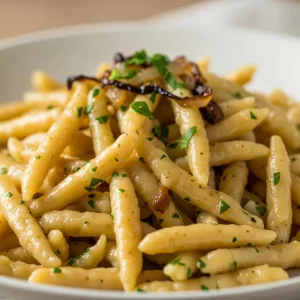

There’s something undeniably comforting about a warm plate of spaetzle – those tender, slightly chewy German egg noodles that have been a beloved staple in Central European kitchens for centuries. But beyond their simple appearance lies a rich tradition of craftsmanship and regional pride, where every family’s recipe tells a story of heritage and home. In this guide, we’ll embark on a flavorful journey to craft authentic German spaetzle from scratch, unlocking the secrets held within flour, eggs, and a few kitchen tools. Whether you’re a seasoned cook or a curious beginner, prepare to bring a taste of timeless German tradition into your own kitchen with this classic recipe.
Crafting Authentic German Spaetzle is a culinary journey into the heart of German comfort food. This humble yet hearty dish, born from the Swabian region, has been cherished for generations for its pillowy texture and rustic charm. Making spaetzle from scratch is a rewarding experience – the dough’s simplicity belies the technique required to achieve that perfect soft-chewy bite that complements a range of sauces and dishes.
Prep and Cook Time
- Preparation: 15 minutes
- cooking: 10 minutes
- Total Time: 25 minutes
Yield
Serves 4 as a side dish or 2 as a hearty main course.
Difficulty Level
Medium – perfect for adventurous home cooks ready to master traditional techniques and appreciate authentic texture.
Ingredients
- 2 cups all-purpose flour, sifted for a light, lump-free dough
- 1 teaspoon salt
- 3 large eggs, room temperature for smoother dough consistency
- 3/4 cup whole milk, adjust slightly for perfect dough thickness
- 1 tablespoon unsalted butter, for finishing spaetzle off in the pan
- Optional: freshly grated nutmeg or finely chopped fresh parsley
Instructions
- Combine dry ingredients: Whisk the sifted flour and salt in a large bowl to ensure an even distribution of salt and aeration of the flour.
- Mix wet ingredients: In a separate bowl, beat the eggs with the milk until fully incorporated and slightly frothy.
- Make the dough: Gradually add the wet mixture into the flour, stirring with a wooden spoon or dough whisk. The dough shoudl be thick but still elastic and slightly sticky – resembling a thick pancake batter. Adjust milk or flour as needed.
- Rest the dough: Let the dough rest for 10 minutes uncovered; this hydrates the flour and improves the texture of your spaetzle.
- Boil water: Bring a large pot of salted water to a rolling boil.Reduce to a gentle boil before adding spaetzle for ideal cooking temperature.
- Shape the spaetzle: Using a spaetzle maker, colander, or a cutting board and spatula, push small portions of dough thru holes directly into the boiling water. The dough will form bite-sized dumplings.
- Cook until done: When spaetzle float to the surface (about 2-3 minutes), stir gently then scoop out with a slotted spoon. Drain well.
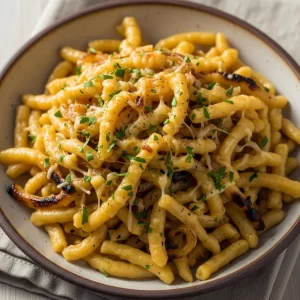
- Finish in butter: Melt butter in a large skillet over medium heat. Add the cooked spaetzle and sauté until light golden, about 5 minutes, stirring occasionally to prevent sticking and enhance flavor.
- Optional garnish: Toss with freshly chopped parsley or a hint of grated nutmeg to add warmth and brightness.
Tips for Success
- Dough consistency is key: To thin, and spaetzle won’t hold; too thick, and it will be dense. Aim for a batter that drops slowly from a spoon.
- Don’t rush the rest period: Allowing the batter to rest helps develop gluten and yields the signature tender texture.
- use a gentle boil: Boiling too vigorously breaks the spaetzle apart.
- Make in advance: Cooked spaetzle hold well refrigerated for 1-2 days. Reheat in butter for fresh taste.
- Experiment with mix-ins: Swap whole milk for buttermilk or add herbs to the dough for variation.
Serving Suggestions and Flavor Pairings to Elevate Your Dish
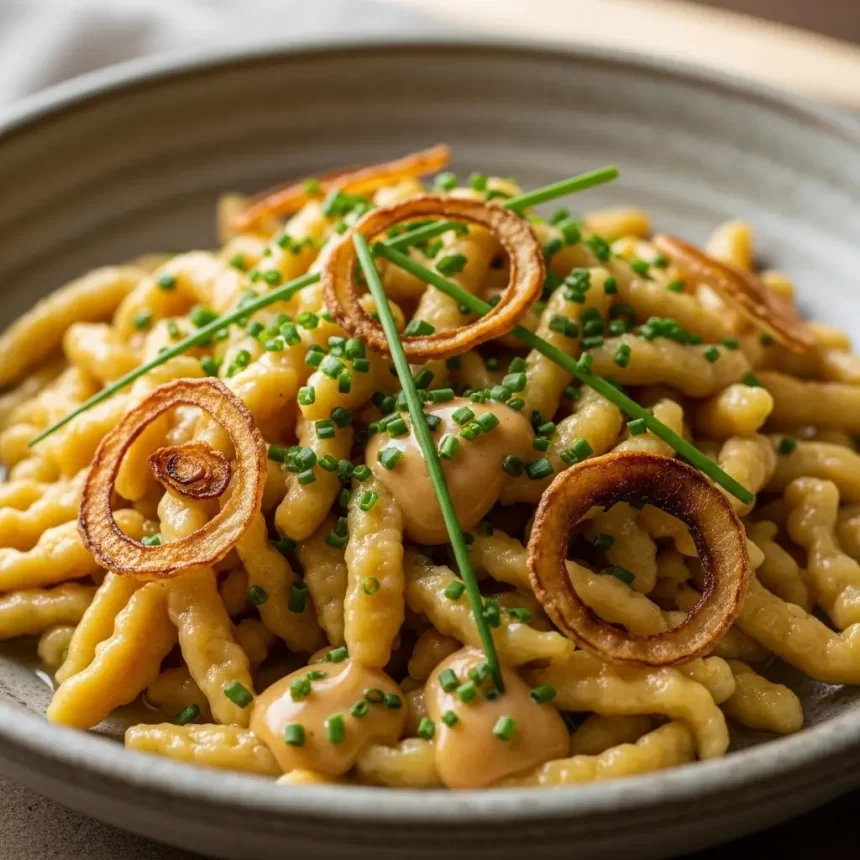
To truly celebrate crafting authentic German spaetzle, serve it as a luscious side alongside robust dishes like braised beef short ribs or creamy mushroom ragout. Complement the soft dumplings with a drizzle of browned butter and fresh herbs for a classic presentation.For a heartier meal, layer spaetzle with melted Emmental cheese and caramelized onions, creating a savory spaetzle casserole.
Pair your dish with crisp Riesling or a malty German lager to bring out the flavors and round out the experience. A simple green salad with tangy vinaigrette is a refreshing counterpoint, balancing rich textures.
| Nutritional Info (per serving) | Calories | Protein | Carbohydrates | Fat |
|---|---|---|---|---|
| Spaetzle (approx.) | 280 kcal | 9 g | 45 g | 6 g |
For a deeper dive into German comfort foods, explore our article on Classic Sauerbraten. To understand the rich culinary roots of German spaetzle, visit GermanFoods.org for cultural context and authentic recipes.
Q&A
Q&A: Crafting Authentic German Spaetzle – A Traditional Recipe Guide
Q1: What exactly is Spaetzle, and why is it so beloved in German cuisine?
A1: Spaetzle (pronounced “shpetz-leh”) are small, soft egg noodles or dumplings native to Southern Germany’s Swabian region. Think of them as the ultimate comfort carbs-chewy, tender, and perfectly adaptable. They’re beloved because they embody rustic simplicity while soaking up rich sauces, from buttery herbs to savory gravies, making every bite a warm hug from the heart of German kitchens.
Q2: What makes traditional Spaetzle different from other pasta or noodles?
A2: Unlike Italian pasta, which frequently enough uses firmer dough rolled and cut, traditional Spaetzle dough is wetter-almost batter-like-lending to their plump, irregular shapes. They’re traditionally created by pressing dough through a special Spaetzlehobel (board with slits) or by hand-scraping from a cutting board directly into boiling water. This playful, hands-on method creates their distinctive rustic charm and varied texture.
Q3: What are the essential ingredients for authentic German Spaetzle?
A3: Authentic Spaetzle depend on just a few humble ingredients:
- Flour (typically all-purpose)
- Eggs (for richness and binding)
- A pinch of salt
- Water or milk (to adjust the batter’s consistency)
The magic lies in balancing these so the batter is loose yet cohesive-no need for yeast or intricate additives!
Q4: How do you know when your Spaetzle are cooked perfectly?
A4: Spaetzle cook quickly-usually within 2 to 3 minutes in boiling salted water.They’re done when they float to the surface. To ensure the best texture, scoop them out promptly with a slotted spoon and toss them with a little butter to prevent sticking and to add that silky finish.
Q5: Can you get creative with Spaetzle once they’re cooked?
A5: Absolutely! While traditional Spaetzle shine with simple butter and herbs or alongside roast meats and gravy,their mild flavor makes them a versatile canvas. Try frying them in butter until golden for a crispy twist, adding cheese for the iconic Käsespätzle (cheese Spaetzle), or even tossing with sautéed vegetables and fresh herbs for a lighter fare. The possibilities are as endless as your kitchen creativity.
Q6: Is making Spaetzle at home challenging for beginners?
A6: Not at all! While the technique may seem quirky at first-especially the pressing or scraping-the joy is in the hands-on process. Once you get the hang of the batter’s consistency and the rhythm of forming the spaetzle, it becomes a soothing and rewarding ritual. Plus, homemade Spaetzle taste far better than store-bought ones, making every effort worthwhile.
Q7: What tips can ensure my Spaetzle turn out authentic and appetizing?
A7: Keep these in mind:
- Use fresh eggs-they’re essential for flavor and texture.
- Aim for a batter consistency that drips slowly but isn’t runny.
- salt the boiling water generously to season the noodles throughout.
- Work in small batches to avoid clumping.
- Don’t skip the butter toss at the end-it’s the finishing touch that makes your Spaetzle shine!
Whether nestled under a hearty gravy or simply kissed with browned butter and chives,authentic German Spaetzle invite you to savor tradition in every delectable mouthful. Ready to craft your own batch? Grab your flour, eggs, and a sense of adventure-your German kitchen awaits!
In Summary
As you set down your spatula and admire the golden, tender spaetzle resting on your plate, remember that this humble dish carries centuries of German heritage in every bite. Crafting authentic spaetzle is not just about following a recipe-it’s an invitation to connect with tradition, savor simplicity, and celebrate culinary craftsmanship. Whether served as a comforting side or the star of the meal, these little dumplings bring warmth and authenticity to your table. So next time you crave a taste of Germany, roll up your sleeves, embrace the dough’s rhythm, and let spaetzle transport you straight to the heart of a time-honored kitchen. Guten Appetit!