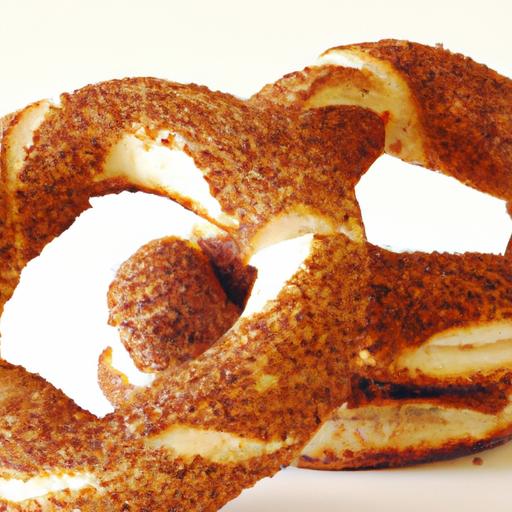

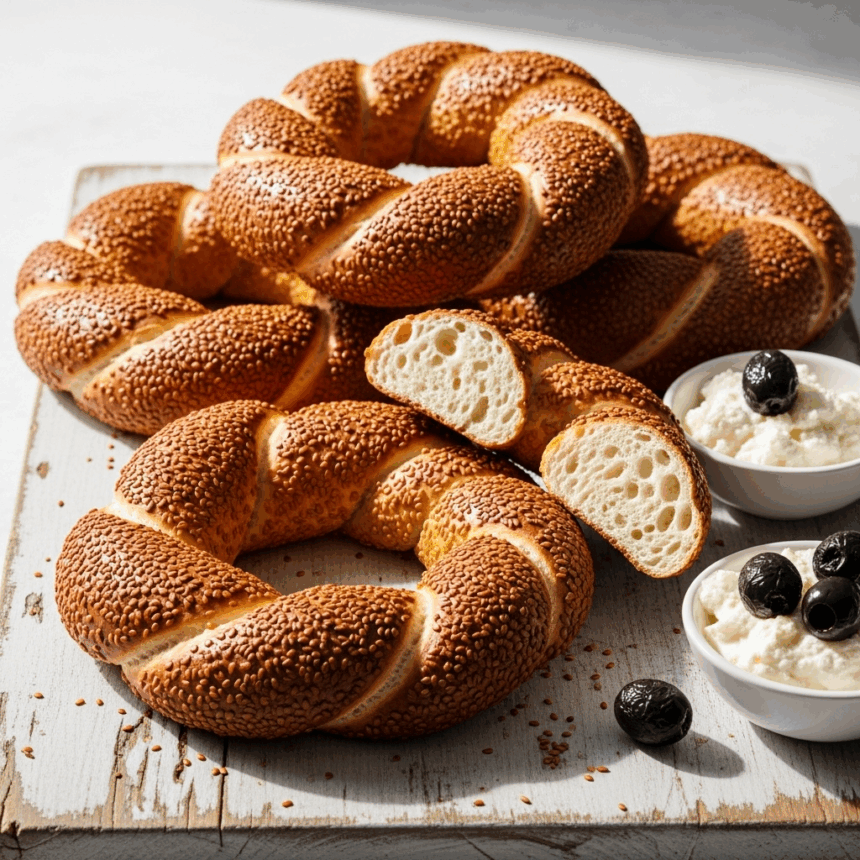
There’s a magic in teh golden crust and nutty aroma of a perfectly baked simit-a quintessential Turkish sesame bagel that has been weaving its way through bustling bazaars and quiet morning kitchens for centuries. More than just a snack, simit embodies a rich tapestry of culture, tradition, and craftsmanship, each ring telling a story of patience and skill. In this article, we embark on a flavorful journey to master the art of simit making, uncovering the secrets behind its addictive crunch, silky crumb, and signature sesame embrace. Whether you’re a curious foodie or an aspiring baker ready to bring a slice of Istanbul into your home, prepare to roll up your sleeves and dive into the heart of Turkish baking excellence.
Origins and Cultural Significance of Simit in Turkish Tradition
Mastering Simit: The Art of Turkish Sesame Bagel Making brings you closer to a cherished culinary treasure that has gracefully woven its way through the vibrant streets of Istanbul and beyond. Simit, frequently enough called the “Turkish bagel,” holds a special place in Turkey’s breakfast culture, as much a symbol of daily life as the city’s historic skyline or the drifting aroma of freshly brewed Turkish coffee.
Dating back to the Ottoman era, simit was originally a street vendor’s staple, consumed for its affordable price and satisfying crunch. Its circular shape represents unity and eternity,frequently enough linked to social gatherings and warm community moments. In Turkey today, simit is enjoyed at dawn with a thick slice of beyaz peynir (white cheese), alongside dark tea served in tulip-shaped glasses – a ritual as comforting as the simit itself. Understanding this background sparks an appreciation that elevates every bite, making your journey of mastering simit rich with cultural meaning.
Selecting the Perfect ingredients for Authentic Simit Dough
To capture the authentic essence, the backbone of great simit lies in a simple yet precise combination of ingredients. The ideal dough balances softness with structure, allowing the crisp sesame crust to shine as its hallmark feature.
- 3 cups (360g) all-purpose flour, sifted – opt for unbleached with a moderate protein content for perfect gluten development.
- 1 cup (240ml) warm water – about 110°F (43°C), to activate the yeast gently without killing it.
- 2 teaspoons active dry yeast – fresh and lively to ensure a robust rise.
- 1 tablespoon fine granulated sugar – balances yeast activity and adds subtle sweetness.
- 1.5 teaspoons salt – for flavor depth.
- 1/4 cup vegetable oil – imparts tenderness and a subtle richness.
- 1/2 cup molasses or pekmez (grape molasses) – an essential ingredient lending simit its signature amber sheen and caramelized flavor.
- 1 cup toasted sesame seeds – freshly toasted to maximize aroma and crunch.
Quality matters: seek out organic sesame seeds and authentic Turkish molasses if possible, elevating the sensory impact of your final simit.
Techniques for Achieving the Ideal Crispy Sesame Crust
Creating that quintessential crispy crust requires finesse more than complexity. After shaping, the unique step that sets simit apart is the dipping process in a molasses-water bath before the sesame seeds.This technique imparts an irresistible crunch,golden-brown colour,and subtle sweet undertones.
- Prepare a lukewarm mixture of 1/2 cup molasses and 1 cup water to dunk each twisted ring briefly.
- Roll the wet dough immediately in the toasted sesame seeds, ensuring an even, thick coating.
- handle the dough gently but firmly to prevent deflating the airy texture inside.
Oven temperature also plays a pivotal role. Baking at a high heat-ideally 450°F (230°C)-locks in the crunch while keeping the interior tender and chewy.For an extra golden crust, rotating the tray halfway through baking ensures uniform exposure to heat.
baking Tips and Troubleshooting for Consistently perfect Simit
Your passion for mastering simit shines brightest when overcoming common baking challenges with confidence. Here are practical tips to guide you:
- Achieve consistent dough hydration: Adjust water quantity based on humidity and flour type; the dough should be slightly tacky but manageable.
- Ensure proper proofing: Allow the shaped dough rings to rise 20-30 minutes in a warm place. Underproofing leads to dense simit; overproofing risks collapsing.
- Perfect molasses dip timing: Don’t soak to long; a rapid dunk suffices to create the sticky surface for sesame adherence.
- Use a baking stone or preheated tray: Provides intense bottom heat that promotes the crust’s characteristic crunch.
- Monitor baking closely: If simit darkens too quickly, tent loosely with foil to prevent overbaking.
When in doubt, keeping a kitchen thermometer handy and taking notes will refine your technique batch by batch, helping you consistently create a golden, crunch-perfect simit.
Prep and Cook Time
- Preparation: 20 minutes
- Proofing: 1 hour (2 rises)
- Baking: 15 minutes
- Total: Approximately 1 hour 35 minutes
Yield
Makes 8 medium-sized simit rings, perfect for sharing or meal prepping.
Difficulty Level
medium: Requires some dough handling skills and timing precision but rewarding for all avid bakers.
Ingredients
- 3 cups (360g) all-purpose flour, sifted
- 1 cup (240ml) warm water (110°F/43°C)
- 2 teaspoons active dry yeast
- 1 tablespoon granulated sugar
- 1.5 teaspoons salt
- 1/4 cup vegetable oil
- 1/2 cup molasses (preferably pekmez)
- 1 cup toasted sesame seeds
- 1 cup water (for molasses dip)
Instructions
- In a small bowl, dissolve yeast and sugar in warm water.Let it activate for 5-10 minutes until foamy.
- In a large mixing bowl, combine flour and salt. Make a well in the centre and pour in the yeast mixture and vegetable oil.
- Mix with a wooden spoon or your hands until a rough dough forms. Transfer to a lightly floured surface and knead for 8-10 minutes until smooth and elastic.
- Place the dough in a lightly oiled bowl, cover with a damp cloth or plastic wrap, and let rise in a warm spot for 1 hour, or until doubled in size.
- Divide the dough into 8 equal parts. Roll each piece into a long rope,approximately 18 inches. Twist two ropes together, forming a tight spiral, then join ends to form a ring.
- Prepare the dipping solution by mixing molasses and water in a shallow bowl. Toast the sesame seeds separately in a dry pan over medium heat until fragrant, about 3 minutes.
- Dip each dough ring quickly into the molasses-water mixture, then immediately roll it in toasted sesame seeds, pressing gently to coat evenly.
- Place coated simit rings on a parchment-lined baking tray, cover lightly, and let them rest/proof for 20-30 minutes.
- Preheat your oven to 450°F (230°C). Optionally, place a baking stone inside for even heat distribution.
- Bake the simit for 12-15 minutes or until golden brown and crisp. Rotate halfway through baking for even coloration.
- Remove from the oven and cool slightly on a wire rack before serving.
Chef’s Notes
- Substitute pekez with dark molasses if grape molasses isn’t accessible; flavor profiles will vary slightly.
- For a gluten-free choice, experiment with specialized gluten-free flours but expect a slightly different texture.
- Leftover simit reheats beautifully in a toaster oven or under a broiler for revitalizing the crisp crust.
- To enhance aroma, toast sesame seeds just before dipping for the freshest results.
- Make ahead: shaped simit can be frozen pre-bake and baked directly from frozen, adding a few extra minutes to bake time.
Serving Suggestions
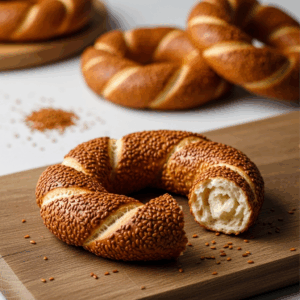
Enjoy warm simit traditionally paired with Turkish black tea and fresh white cheese. Create colorful breakfast platters featuring sliced tomatoes,cucumbers,olives,and soft boiled eggs. For a contemporary twist, serve with whipped labneh and za’atar drizzle or use as a sandwich base filled with smoked salmon and fresh herbs.
Garnish with extra sesame seeds or a sprinkle of sumac for an elegant presentation that honors its heritage and excites the palate.
| Nutrient | Per Serving (1 Simit) |
|---|---|
| Calories | 290 kcal |
| Protein | 8 g |
| Carbohydrates | 48 g |
| Fat | 6 g |
Explore More Turkish Breakfast essentials
Learn about the fascinating history of Ottoman street food on Britannica.

Q&A
Q&A: Mastering Simit – The art of Turkish sesame Bagel Making
Q1: What exactly is a simit, and why is it so iconic in Turkish culture?
A1: Simit is a circular bread ring, generously coated with sesame seeds, frequently enough described as the Turkish cousin of the bagel but with a crispier crust and chewy crumb. It is indeed more than just street food in Turkey-it’s a cultural emblem symbolizing community, tradition, and daily life. Vendors shouting “Simit, simit!” on bustling streets reflect centuries-old customs, making simit an edible snapshot of Turkish heritage.Q2: How does simit differ from other types of bread or bagels?
A2: Unlike the dense, boiled bagels of the West, simit boasts a delicate balance between a crunchy, caramelized sesame exterior and a soft, airy interior.The dough is also unique: enriched with a subtle sweetness and sometimes a hint of malt, then dipped in a molasses water solution before encrusting with sesame seeds-a magical step that gives simit its signature golden sheen and toasty aroma.
Q3: What are the essential ingredients for authentic simit dough?
A3: The foundation lies in simple, quality ingredients: all-purpose or bread flour, warm water, yeast, a pinch of salt, and a touch of sugar or molasses for sweetness.Turkish simit frequently enough uses grape molasses (pekmez) in the dipping liquid,infusing the dough with depth and helping the sesame seeds stick perfectly.
Q4: can you describe the traditional technique of shaping simit?
A4: Shaping simit is an art itself. The dough is rolled into long ropes, then twisted-sometimes two ropes twisted together-before being formed into a perfect circle with the ends pinched. This twist not only looks visually appealing but creates the ideal surface for sesame seed adhesion and baking, contributing to the simit’s characteristic texture.
Q5: What’s the secret behind the perfect simit crust?
A5: The secret lies in the dipping phase. Before baking, shaped dough rings are dipped into a mixture of water and pekmez (grape molasses). This caramelizes during baking, yielding a shiny, reddish-brown crust layered with toasted sesame seeds. The molasses doesn’t just add color-it provides a subtle sweetness and crunch that defines the simit experience.Q6: How is simit traditionally enjoyed in Turkey?
A6: Simit is a breakfast staple, often enjoyed with fresh Turkish tea, slices of white cheese (beyaz peynir), tomatoes, and olives. Its portability and satisfying crunch make it an ideal companion for morning walks or lively street corners where locals gather. Some savor it simply plain, allowing the sesame and dough to shine, while others create sandwiches with fillings like sucuk (Turkish sausage) or jam.
Q7: Are there regional variations of simit in turkey?
A7: Yes! While the classic simit is common nationwide, regional twists exist.For example,in Istanbul,simit tends to be thinner and crunchier,whereas in Anatolia,it might be slightly thicker with variations in sesame coverage.Some coastal regions experiment with toppings like nigella seeds or incorporate whole wheat for a heartier feel.
Q8: Can simit be made at home, and what challenges might a novice baker face?
A8: Absolutely! Making simit at home is rewarding but demands practice. The key challenges are achieving the perfect dough consistency, mastering the twisting technique, and getting the molasses dip just right to form that iconic crust without sogginess. Oven temperature and baking time are crucial to balance a crispy exterior with a soft center.
Q9: How has simit evolved in modern culinary scenes?
A9: Today, chefs and bakers worldwide are reimagining simit by incorporating different seeds, fillings, and even gluten-free versions. Its versatility invites innovation, from gourmet sandwiches to sweet treats inspired by simit’s texture. Yet, the heart of the tradition remains-the joy of sharing a warm, sesame-kissed circle that connects people across cultures.
Q10: What’s the best advice for someone wanting to master simit baking?
A10: Patience and passion are your ingredients alongside flour and yeast.Study the dough’s feel, don’t rush the proofing stages, and embrace the twisting ritual as a mindful craft. And most importantly, share your simits fresh and warm-becuase simit is as much about community as it is about crust and crumb. Happy baking!
Closing Remarks
As the final golden sesame seeds settle onto your freshly baked simit, you’re not just crafting a beloved Turkish bread-you’re embracing centuries of tradition, skill, and culture with every twist and turn. Mastering simit is more than perfecting a recipe; it’s about honoring an art form that connects the bustling streets of Istanbul to your own kitchen. So,whether you savor it crisp alongside a cup of strong Turkish tea or gift it warm to friends and family,remember that each simit carries a story-one you’ve now become a part of. Keep kneading, shaping, and baking, and let this iconic bagel be your flavorful bridge to a timeless culinary heritage.