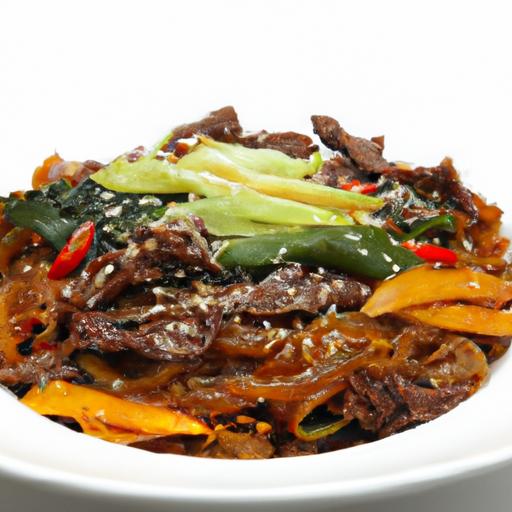

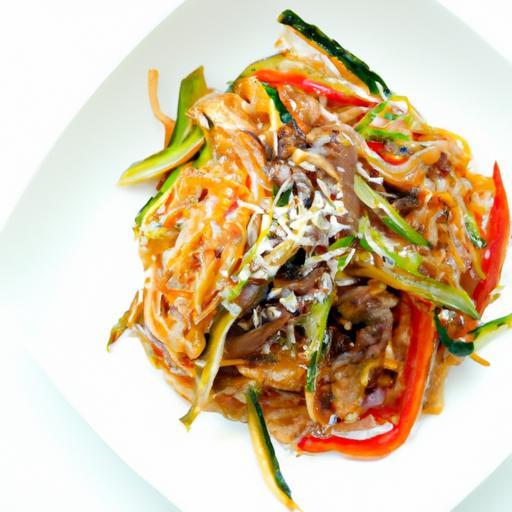
When it comes to Korean cuisine, few dishes captivate the palate quite like japchae-the vibrant, glossy stir-fried glass noodles that dance with a harmony of flavors and textures. But what happens when tradition meets a daring twist? Enter Fiery Korean Beef Noodles, a bold reinvention of japchae that amps up the heat and intensifies the savory allure of tender marinated beef and silky sweet potato starch noodles. This fiery rendition invites food lovers on an unforgettable journey through layers of smoky spice,subtle sweetness,and umami richness,revealing the versatile essence of one of Korea’s most beloved dishes. Join us as we explore the origins, ingredients, and culinary secrets behind this sizzling sensation, and discover how a classic favorite transforms into a bold, fiery feast for the senses.
Fiery Korean Beef Noodles bring the bold, complex flavors of Korea right to your kitchen, showcasing the elegant balance of spicy, savory, and slightly sweet notes that define this beloved dish. Originating from a fusion of customary Korean noodles and marinated beef, this recipe elevates classic Japchae by infusing it with a fiery kick that excites the palate and warms the soul. My first encounter with these noodles was at a bustling street market in Seoul, where the vibrant aroma of gochujang and sesame greeted me-an unforgettable culinary experiance that inspired this recipe.Get ready to embrace the layers of flavor that make these noodles an irresistible feast.
Prep and Cook Time
- Preparation: 20 minutes
- cooking: 15 minutes
- Total Time: 35 minutes
Yield
Serves 4 generously
Difficulty Level
Medium – approachable for home cooks with some experience handling stir-fry techniques and sauces
Ingredients
- 8 oz sweet potato glass noodles (dangmyeon), soaked in warm water for 20 minutes, drained
- 10 oz thinly sliced beef sirloin
- 2 tablespoons gochujang (Korean red chili paste)
- 3 tablespoons soy sauce, divided
- 1 tablespoon sesame oil
- 1 tablespoon granulated sugar
- 3 cloves garlic, minced
- 1 teaspoon freshly grated ginger
- 1 small carrot, julienned
- 1 medium red bell pepper, thinly sliced
- 1 small onion, thinly sliced
- 3 green onions, chopped
- 2 tablespoons vegetable oil
- 1 tablespoon toasted sesame seeds, for garnish
- 1 fresh red chili, thinly sliced (optional, for extra heat)
Instructions
- Prepare the noodles: Soak the sweet potato noodles in warm water for 20 minutes until soft but still slightly chewy. Drain well and set aside.
- Marinate the beef: In a bowl, combine thinly sliced beef with 1 tablespoon soy sauce, gochujang, half the minced garlic, and grated ginger. Let it marinate for at least 10 minutes, allowing the spicy flavors to infuse.
- Cook the vegetables: Heat 1 tablespoon vegetable oil in a large skillet or wok over medium-high heat. Add onion, carrot, and bell pepper. Sauté until tender-crisp, about 4 minutes, stirring frequently enough. Transfer vegetables to a plate and set aside.
- Sear the beef: In the same pan, add the remaining vegetable oil and stir-fry the marinated beef on high heat for 3-4 minutes until browned but still tender. Remove from heat.
- Combine noodles and sauce: Add drained noodles to the pan with beef. Pour in remaining 2 tablespoons soy sauce, sesame oil, and sugar. toss everything thoroughly so the noodles absorb the rich, spicy sauce evenly.
- Reintroduce vegetables: Return sautéed vegetables to the pan. Add remaining garlic and chopped green onions. Stir quickly for another 2 minutes until everything is heated through.
- Final touches: Taste and adjust seasoning if needed-add a sprinkle of more gochujang for extra heat or a dash of soy sauce for saltiness.
- Serve: Transfer to plates, garnish with toasted sesame seeds and fresh chili slices for a vibrant, eye-catching finish.
Tips for Success
- Sweet potato noodles soak time is crucial; too soft and they’ll break apart, too firm and they won’t absorb sauces well.
- Use high heat when stir-frying to ensure the beef stays tender and the vegetables remain crisp.
- For a vegetarian twist, swap beef for sautéed mushrooms or tofu and boost umami with a splash of mushroom soy sauce.
- If you prefer milder heat, reduce or omit the fresh chili slices and balance with honey or brown sugar.
- Prepare all ingredients ahead – this stir-fry cooks quickly once started, so mise en place is key.
Serving Suggestions
Serve these Fiery Korean Beef Noodles with a side of crisp kimchi to add refreshing acidity or a light Korean cucumber salad to complement the richness. A chilled glass of Korean rice wine (makgeolli) or iced green tea can balance the spiciness.
Garnish with extra toasted sesame seeds, thinly sliced scallions, and a few sprigs of fresh cilantro or shiso leaves for shining herbal notes. For an extra layer of texture and heat, sprinkle crushed roasted peanuts or a drizzle of chili oil just before serving.
| Nutrient | Per Serving |
|---|---|
| Calories | 350 kcal |
| Protein | 25 g |
| Carbohydrates | 40 g |
| Fat | 12 g |

For exploring more Korean noodle recipes, check out our Korean Noodle Recipes Collection. To deepen your understanding of Korean chili pastes like gochujang, visit Maangchi’s gochujang guide.
Q&A
Q&A: Fiery Korean Beef Noodles – Discover Japchae’s Bold flavors
Q1: What makes Fiery Korean Beef Noodles stand out from other noodle dishes?
A1: Fiery Korean Beef Noodles captivate your taste buds with a harmonious blend of tender,spicy marinated beef and chewy glass noodles,all tossed in a rich,savory sauce. unlike many noodle dishes that rely on heavy broths or creamy bases, this dish ignites your senses with bold, vibrant flavors inspired by traditional Korean cuisine, delivering a perfect balance of heat, sweetness, and umami.
Q2: How does Japchae influence the flavors of this dish?
A2: Japchae, the classic Korean stir-fried glass noodle dish, forms the heart of Fiery Korean Beef Noodles. It’s hallmark sweet-savory marinade and lightly chewy sweet potato noodles provide a flavorful canvas. By incorporating Japchae’s signature sauce and ingredients-soy sauce, sesame oil, garlic, and vegetables-the dish gains depth and complexity, while the fiery beef adds an electrifying twist that elevates the whole experience.
Q3: What kind of beef works best for this recipe?
A3: Thinly sliced ribeye or sirloin shines in this recipe thanks to their tenderness and ability to soak up bold marinades. Their marbled richness complements the spices and noodles, ensuring each bite bursts with succulent flavor. When cooked briefly on high heat, the beef remains juicy and tender, perfectly pairing with the chewy noodles and crunchy vegetables.
Q4: Can this dish be adapted for those who prefer less heat?
A4: Absolutely! The fiery element can be dialed back by reducing or substituting the chili paste or flakes with milder versions.For a gentler touch,try a sweet chili sauce or a blend of paprika and a hint of black pepper. This way, the dish maintains its robust character and complex profile without overwhelming the palate, making it accessible for all spice tolerances.
Q5: Are there traditional vegetables used in Fiery Korean Beef Noodles?
A5: Yes! Bell peppers, carrots, spinach, and onions frequently enough appear in the mix, providing color, crunch, and nutritional balance. These vegetables soak up the savory sauce beautifully, adding texture contrasts that elevate the dish from simply satisfying to truly memorable. Plus, their natural sweetness tempers the fiery kick from the beef and chili components.
Q6: What tips ensure your noodles don’t get mushy or stick together?
A6: Japchae noodles (sweet potato glass noodles) require precise cooking. Boil them just until tender but still firm to the bite-usually about 5-7 minutes-then rinse thoroughly with cold water to stop cooking. Tossing the noodles with a bit of sesame oil before mixing them with beef and veggies helps prevent sticking and adds an authentic aromatic touch.
Q7: How can you elevate Fiery Korean Beef Noodles for a special occasion?
A7: For a festive flair, garnish the finished dish with toasted sesame seeds, finely sliced scallions, and a sprinkle of crushed Korean chili flakes (gochugaru). Serve alongside kimchi or pickled radish to add refreshing contrast. Pair it with a cold Korean beer or a light, crisp white wine to balance the spice and amplify the dining experience.
Q8: Why should food enthusiasts give Fiery Korean Beef Noodles a try?
A8: This dish is a thrilling gateway to Korean flavors that both novice and seasoned food lovers can appreciate. It combines familiar ingredients with an exciting fiery punch, showcasing japchae in a bold, new light.Whether craving comfort food or an adventurous meal, Fiery Korean Beef Noodles deliver vibrant taste, satisfying textures, and an unforgettable culinary journey.
In Summary
As the vibrant strands of Japchae settle on your plate, infused with the fiery essence of Korean beef and a symphony of bold flavors, you’re reminded that this dish is more than just a meal-it’s a story of tradition, passion, and culinary artistry. Whether you’re a seasoned foodie or a curious newcomer, Japchae invites you to experience the rich tapestry of Korean cuisine in every bite. So next time you crave something both comforting and exciting,let these fiery korean beef noodles transport you to a world where spice and sweetness dance in perfect harmony. Embrace the bold, savor the savory, and discover why Japchae continues to captivate taste buds across the globe.