
There’s somthing undeniably magnetic about Sicilian-style pizza – a culinary treasure that marries hearty tradition with unapologetic boldness. Unlike it’s more widely known thin-crust cousins, Sicilian pizza arrives with a thick, pillowy base that’s both sturdy adn tender, a perfect canvas for a symphony of robust flavors. From sun-ripened tomatoes and fragrant herbs to rich cheeses and savory toppings, each bite tells a story of Sicily’s vibrant culture and time-honored passion for food. Join us as we delve into the art of savoring Sicilian-style pizza, uncovering what sets it apart and why it continues to captivate taste buds around the world.
Savoring Sicilian-Style Pizza starts with mastering the perfect thick crust-a foundation that’s both pillowy and crisply golden, setting the stage for bold and authentic flavor layers.Rooted in Sicily’s rich culinary heritage, this pizza is a festivity of time-honored techniques, where dough texture and topping harmony dance together to create an irresistible slice of Italian comfort.
Prep and Cook Time
- Preparation: 30 minutes
- Rising Time: 2 hours
- Baking Time: 25-30 minutes
- Total: Approximately 3 hours
Yield
- Makes one 12×16-inch thick crust Sicilian pizza (serves 6-8)
Difficulty Level
- Medium – Ideal for home cooks ready to elevate their pizza-making skills
Ingredients
- For the Dough:
- 4 cups all-purpose flour, sifted
- 1 ½ cups warm water (110°F)
- 2 ¼ teaspoons active dry yeast (1 packet)
- 2 tablespoons olive oil, plus extra for greasing
- 1 tablespoon sugar
- 1 ½ teaspoons fine sea salt
- For the Sauce:
- 1 ½ cups crushed San Marzano tomatoes
- 2 cloves garlic, minced
- 1 tablespoon extra virgin olive oil
- 1 teaspoon dried oregano
- Salt and freshly ground black pepper, to taste
- Cheese and Toppings:
- 1 ½ cups shredded low-moisture mozzarella cheese
- ½ cup grated pecorino Romano
- 1 cup sautéed sweet onions (thinly sliced)
- 1 cup roasted red peppers, sliced
- Fresh basil leaves, for garnish
Instructions
- Activate the yeast: in a small bowl, combine warm water, sugar, and yeast. Stir gently and let sit for 5-10 minutes until foamy, signaling active yeast.
- Mix the dough: In a large bowl, whisk the sifted flour with salt. Create a well in the center and pour in the yeast mixture and olive oil. Mix with a wooden spoon until dough forms.
- Knead thoroughly: Turn dough onto a lightly floured surface. Knead for about 8-10 minutes until smooth and elastic-this develops gluten, essential for that signature thick crust texture.
- First rise: Lightly oil a large bowl. place dough inside, cover with a damp cloth, and let rise in a warm spot for 1.5 to 2 hours or until doubled in size.
- Prepare the sauce: While dough rests, heat olive oil in a pan over medium heat. Sauté garlic until fragrant (about 1 minute), then add crushed tomatoes and oregano.Season with salt and pepper. Simmer for 15 minutes, stirring occasionally, until thickened but still vibrant and fresh.
- Preheat oven: Set oven to 475°F (245°C). If you have a pizza stone, place it inside to heat thoroughly.
- Shape the dough: Punch down the risen dough and press it gently into a well-oiled 12×16-inch rectangular pan with raised edges. Use fingertips to dimple the surface, creating uneven pockets for an airy crumb.
- Second rise: Let the dough rest uncovered in the pan for 20 minutes-this helps the crust puff beautifully while baking.
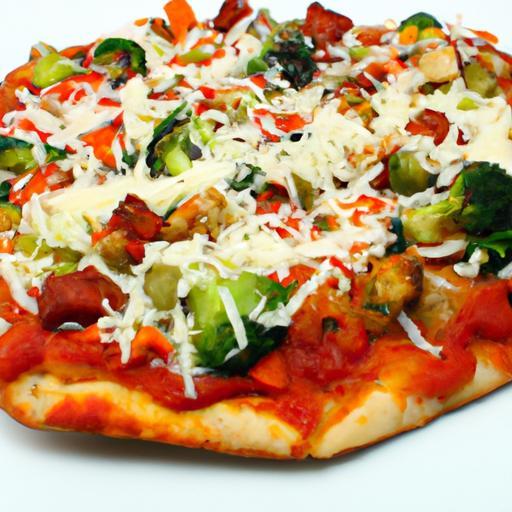
- Assemble the pizza: Spread the homemade sauce evenly over the dough’s surface. Layer with shredded mozzarella and Pecorino Romano. Add sautéed onions and roasted red peppers for authentic, bold toppings.
- Bake: Transfer the pan to the preheated oven (on the pizza stone if available). Bake for 25-30 minutes until the crust is golden brown, cheese is bubbly, and edges are crisp.
- Finish and serve: Remove from the oven,garnish with fresh basil leaves,and drizzle with a bit of extra virgin olive oil. Let the pizza cool for 5 minutes before slicing into hearty squares.
Tips for Success
- Dough hydration: The higher water content in this dough creates an irresistibly soft and airy crumb. Resist the urge to add to much flour while kneading.
- Cheese blend: Combining mozzarella with pecorino Romano adds depth-moist meltiness and a tangy, salty bite.For a twist, try adding a few dollops of creamy ricotta after baking.
- Make-ahead: The dough can be prepared the day before and refrigerated overnight for even better flavor complexity. Remove and let come to room temperature before shaping.
- Sauce variations: For a smoky note, roast fresh tomatoes before crushing. Or add a pinch of crushed red pepper flakes to the sauce for gentle heat.
- serving note: Use a sharp pizza cutter to create thick, satisfying squares. The contrast between crispy edges and sumptuous interior highlights the craft behind this conventional style.
Serving Suggestions
- Enjoy warm with a simple side salad of arugula tossed in lemon juice and olive oil to cleanse the palate.
- For an extra indulgent touch, drizzle aged balsamic glaze atop each slice just before serving.
- Offer grilled Italian sausages or marinated olives on the side to turn this pizza into a full Mediterranean feast.
| Nutrient | Per Serving (1 slice) |
|---|---|
| Calories | 320 kcal |
| Protein | 14 g |
| Carbohydrates | 38 g |
| Fat | 12 g |

For those eager to expand their pizza repertoire, check out our Authentic Neapolitan Pizza recipe that beautifully contrasts with Sicilian style’s robust textures. Also, explore food science insights on yeast fermentation from sciencedaily for a deeper dive into dough growth.
Q&A
Q&A: Savoring Sicilian-Style Pizza – Thick Crust, Bold Flavors
Q1: What sets Sicilian-style pizza apart from other types of pizza?
A1: Sicilian-style pizza is best known for its thick, airy crust-more akin to focaccia than the thin, crispy base of Neapolitan or New York-style pies. It’s frequently enough baked in a rectangular pan, resulting in a golden, crunchy bottom that supports a hearty layer of sauce and toppings. This style embraces bold, rustic flavors that celebrate Sicily’s vibrant culinary heritage.
Q2: Why is the crust so thick and fluffy in Sicilian pizza?
A2: The secret lies in the dough’s preparation and baking technique. Sicilian pizza dough undergoes a longer rising time, allowing the yeast to create large air pockets that produce a light, pillow-like interior. Baked in a well-oiled pan, the crust crisps on the outside while remaining soft and tender inside-a perfect foundation for robust toppings.
Q3: What kind of sauces and toppings are traditional on a Sicilian pizza?
A3: Traditional Sicilian toppings echo the island’s Mediterranean roots: tangy tomato sauce infused with oregano and garlic,rich anchovies,capers,olives,and sometimes onions or strong cheeses like caciocavallo. Bold flavors stand up well to the thick crust, creating a harmonious balance between hearty base and savory toppings.
Q4: How does Sicilian pizza reflect Sicilian culture and history?
A4: Sicily’s culinary history is a tapestry woven from Greek, Arab, Norman, and Spanish influences. Sicilian pizza channels this heritage by combining simple, fresh ingredients that pack a punch, reflecting the islanders’ love for bold, honest flavors. The rustic, no-nonsense style also mirrors the practical, resilient spirit of Sicilian life.
Q5: Can Sicilian pizza be customized or is it traditionally limited to specific ingredients?
A5: While tradition holds strong, the beauty of Sicilian pizza is its versatility. Manny modern pizzerias experiment by adding local cheeses, various vegetables, or even spicy sausage – all while respecting the thick crust and vibrant tomato base. it’s a canvas both steeped in tradition and open to creative interpretation.
Q6: How should sicilian-style pizza be served and enjoyed?
A6: Sicilian pizza is often cut into square or rectangular slices, making it ideal for sharing. Best enjoyed warm but not piping hot, each bite offers a crispy, chewy contrast with rich, savory toppings. Pair it with a refreshing citrusy salad to elevate the experience even further.
Q7: Where can one experience authentic Sicilian-style pizza outside of Sicily?
A7: Many Italian-American pizzerias, especially on the East Coast of the United States, have embraced Sicilian pizza, bringing the style to local menus.To taste the truly authentic experience, look for bakeries and restaurants that prioritize thick dough rising, fresh Mediterranean ingredients, and that satisfyingly crunchy bottom crust.
Q8: What tips do experts recommend for making Sicilian-style pizza at home?
A8: Patience is key-allow the dough plenty of time to rise for that signature airy texture. Use a well-oiled rectangular pan to bake it evenly and develop a crispy crust.Choose robust, high-quality tomato sauce and don’t overload toppings to maintain balance. a hot oven ensures that perfect contrast between crisp exterior and soft interior.
Savoring sicilian-style pizza is more than just enjoying a meal-it’s a flavorful journey into the heart of Sicilian tradition, where every thick slice tells a story of culture, craftsmanship, and bold mediterranean tastes.
In Conclusion
Whether you’re a seasoned pizza enthusiast or a curious culinary explorer, savoring Sicilian-style pizza invites you to experience a slice of Italy’s rich heritage with every bite. its thick, golden-crusted foundation cradles bold, vibrant flavors that speak of sun-drenched tomatoes, ripe olives, and fragrant herbs-all harmonizing in a celebration of robust simplicity. Next time you crave pizza, let Sicilian style transport your taste buds to the heart of the Mediterranean, proving that sometimes, the best stories are told through a hearty, flavorful crust. Buon appetito!